Russia postpones the construction of the bridge. “Those who cannot afford risk their lives”

In Russian Yakutia, the lack of a bridge is often a matter of life and death. In 2019, Yakutian President Aysen Nikolaev promised that he would eat his tie if his government did not build a bridge across the Lena River, separating Yakutsk from the rest of Russia. More than six years have passed and nothing has changed. “We all understand where the federal money goes today.” — the activist told The Moscow Times, adding that the bridge will not be built as long as Russia is waging war in Ukraine.
Continued below the video:
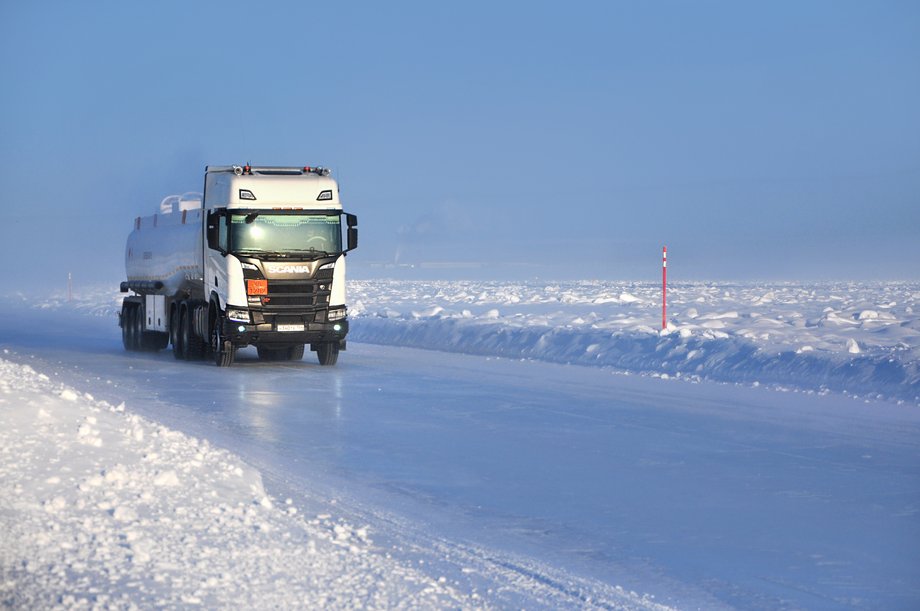
Yakutsk, a truck on a frozen river.
|
Piu_Piu / Shutterstock
The lack of a bridge connecting the two banks of the 11th longest river in the world makes Yakutsk, a city with a population of over 350,000. inhabitants and the capital of Yakutia (the Republic of Sakha), is cut off from the rest of Russia for up to half a year.
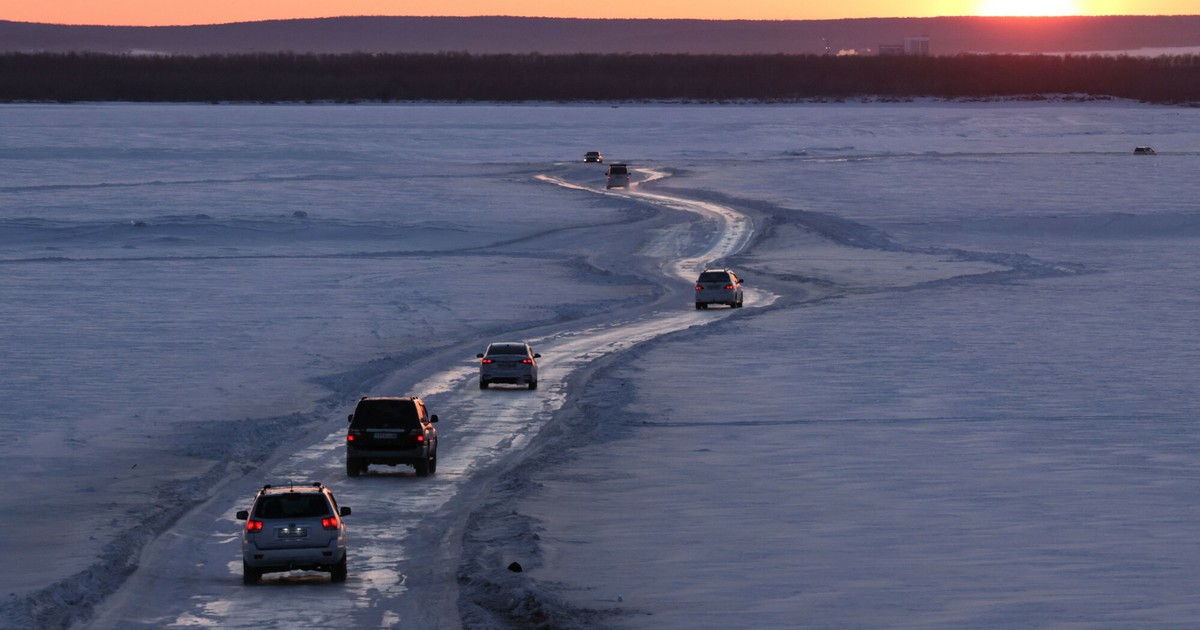
In winter, the Lena River freezes so much that you can cross it by car or on foot. This connection fades as temperatures rise in spring.
Although ferries run through Lena in the summer, they are insufficient to handle the flow of essential goods, fuel and passengers to Yakutsk.
The bridge is a matter of life and death
In turn, for residents of districts across the river, the ability to reach the capital may be a matter of life and death. Most basic medical services are available almost exclusively in Yakutsk hospitals.
“Only those who have had to stand in long lines of cars can truly understand what it's like as vehicles carrying newborns, elderly passengers recovering from surgeries and exhausted, frustrated drivers bake for hours in the summer heat,” a resident told The Moscow Times.
“We pay huge sums.” Those who cannot afford it risk their lives
Official crossings of the Lena are closed during transition periods, leaving private hovercraft or icebreaker-assisted ferries as the only means of transportation between the two banks.
“Twice a year we have no choice but to pay huge sums to the monopolists operating the crossings,” the woman added.
The crossing costs from 5,000 rubles ($65) to 10,000. rubles ($130) one way. This is an exorbitant amount for the inhabitants of Yakutsk, where the average monthly salary is PLN 60,000. rubles ($780).
Those who cannot afford this option risk their lives by crossing the river on foot or by car on thin ice.
Crimean Bridge instead of a bridge over the Lena?
Russian officials first floated the idea of building a bridge across the Lena River in the late 1980s, but the collapse of the Soviet Union thwarted those plans.
The idea was revived in 2012, and the then president of Yakutia, Yegor Borissov, promised to complete the bridge by 2016.
However, the project was shelved again after Russia's annexation of Crimea in 2014.and federal authorities allegedly diverted funds to build the Crimean Bridge.
In 2019, the total construction cost was estimated at 65 billion rubles ($855 million). By the time the first elements of the bridge's supporting structure are installed in 2024, the cost has risen to 130 billion rubles ($1.7 billion).
“From a technical point of view, the Leński Bridge is a complex structure. The temperature range itself is extreme: in summer it can reach 40 degrees Celsius, and in winter it can drop to minus 60 degrees Celsius” — said Viliua Choinova, social activist and environmental engineer.
Money from Yakutia flows to Moscow
The Republic of Yakutia is one of the largest diamond producers in the world and a key supplier of antimony, gold, silver and other precious metals to domestic and global markets.
However, taxation of the mining industry in Russia overwhelmingly benefits the federal government in Moscow, which means that the Yakutian government does not have the resources to invest in large infrastructure projects.
“People don't care about this bridge anymore.”
“We all understand where federal money goes today,” activist Sargylana Kondakova told The Moscow Times, referring to Russia's massive spending on the war in Ukraine. Kondakova lived in Yakutsk for two decades before moving abroad.
“As long as the war is going on, I don't think it's realistic to say that this megaproject will be completed. People don't even care about this bridge anymore. Now they worry about having something to set the table and money for their children's school,” she said.
Source: The Moscow Times