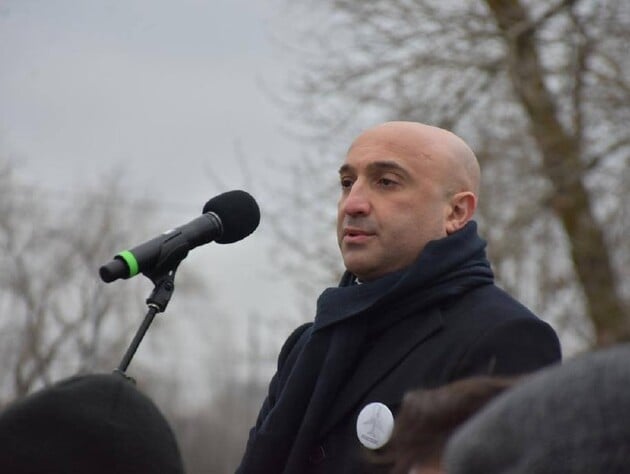
Mamedov, together with a colleague, who is not named due to his duties, wrote a letter to the ICRC, noting that the “incomprehensible silence” of the committee on the Russian Federation is “no longer acceptable.”
They noted that the ICRC has spent decades developing a reputation as a neutral “custodian of international humanitarian law” that works through confidential dialogue to maintain access to prisoners and civilians. But in conditions where the Russian Federation systematically tortures, executes, detains people in inhumane conditions, denies access and destroys the foundations of the Geneva Conventions, silence turns into inaction.
The authors recalled the massacre in Olenovka, the use of chemical weapons, ecocide after the Kakhovka dam was blown up, and the mass executions of Ukrainian prisoners of war by the Russians. Ukrainian prosecutors say at least 322 prisoners have been executed, and the UN has documented more than 90 cases of extrajudicial killings. Despite this, the ICRC has not made a single public statement, although it has spoken openly in Bosnia or Kosovo, demonstrating its ability and willingness to act publicly.
The authors criticized the ICRC reports, which present data on visits to detention centers in Ukraine and Russia together, without clarification, which hides the lack of real access to Ukrainian prisoners in Russian torture chambers. This looks like an attempt to hide the lack of access to Ukrainian prisoners in Russia or the occupied territories, they say.
The publication emphasizes that the internal documents of the ICRC itself provide for different levels of response, in particular confidential dialogue and public condemnation, if the violations are systemic and serious, such as the actions of the Russian Federation regarding Ukraine. However, the organization remains silent, and this silence becomes a political position that undermines the authority of international humanitarian law and puts the lives of thousands of people at risk.
“Under these circumstances, the deafening silence of the ICRC is no longer a means to an end. It has become a political position. And it is this position that threatens the fate of Ukrainian prisoners of war and civilians, as well as the very authority of the international humanitarian order. Ukrainians have proven their worth even in captivity. Finally, the time has come to act and demonstrate courage. The time has come for Geneva to speak out loud and clear,” the letter says.