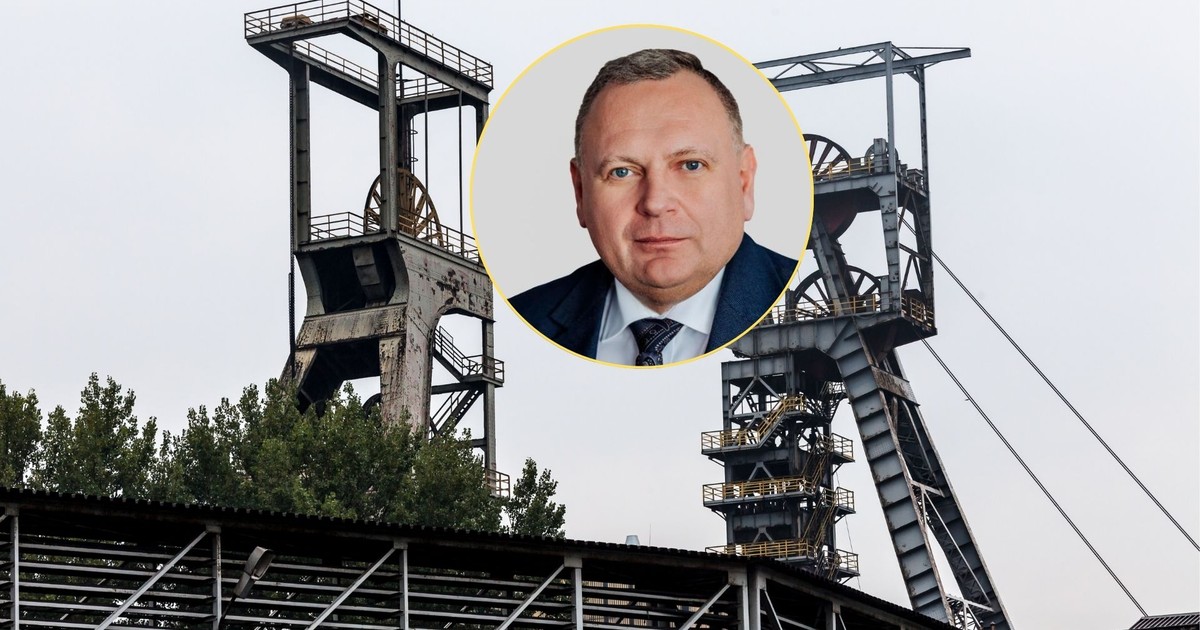
In 2025, 42.8 million tons of hard coal were mined in Poland – 1.2 million tons less than a year earlier. Its sales also decreased by 2.3 million tons year on year, reaching 40.2 million tons in 2025. At the end of 2025, 71,000 people were employed in the industry. 411 people, i.e. approx. 2.7 thousand less than a year earlier. The data comes from the monthly reports of the Katowice branch of the Industrial Development Agency – we present them in more detail here.
The rest of the article is below the video:
Coal (collectively treated as hard coal and lignite) still constitutes an important part of the Polish energy mix, but it is getting smaller every year – according to Forum Energii data, in 2025 it was responsible for 52.8%. electricity production in Poland, at 55.6 percent a year earlier and 83 percent in 2015.
Read also: Black gold in retreat. Paradoxically, this may be good news
Hard coal. The dispute over the year 2049
Even in peak moments, “black gold” plays a smaller role today than before. Bartłomiej Derski, a journalist from Wysokienapiecie.pl, compared the moments of record power demand from 2019 to the latest record of February 3. Seven years ago, coal accounted for 89 percent. power supplies, while in recent days for 53 percent
The discussion on moving away from coal in the energy sector and the socio-economic transformation of the regions associated with it has been going on for a long time. An amendment to the so-called the Mining Act (Act on the Operation of Hard Coal Mining), which grants leave and severance pay to departing employees of the mines of Polska Grupa Górnicza, Południowy Koncern Węglowy, Jastrzębska Spółka Węglowa and Lubelski Węgiel Bogdanka. The regulations have been long awaited by the mining community and seem, in their eyes, a necessary condition for consent to the slow phasing out of the sector.
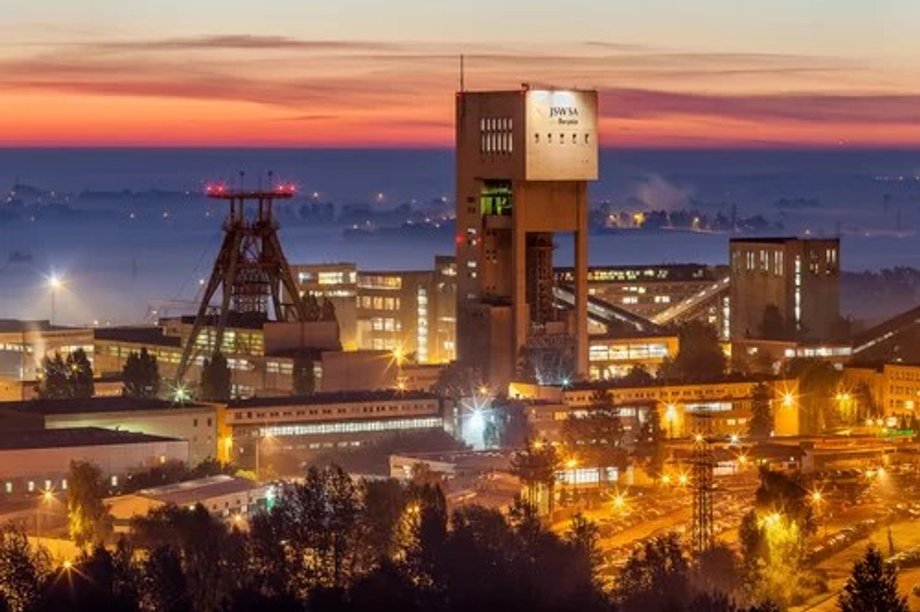
Borynia-Zofiówka hard coal mine, Jastrzębska Spółka Węglowa
|
JSW / JSW
The Act is silent on the schedule for closing individual mines, but it is included in the high-profile social agreement on the transformation of the hard coal mining sector, concluded between the government and mining trade unions in May 2021. The final horizon for phasing out the industry is 2049. Supporters of accelerating the energy transformation have long criticized this date, considering it unrealistic given the rapidly falling demand for coal.
Changes to the contract are possible
Despite the change of power, politicians of the current government have many times publicly declared their attachment to the provisions of the agreement. We asked Marian Zmarzły, who, as Undersecretary of State at the Ministry of Energy, is responsible for mining, whether the document will be implemented in an unchanged form.
The official emphasizes that the agreement is an “important protective instrument for people affected by the mining cessation process” – specifics on this topic were included in the act amended last year.
At the same time, the deputy minister does not confirm the absolute stability of the arrangements from five years ago. — The changing geopolitical situation affecting global trade, technical, mining and geological conditions, as well as the paramount importance of safety in mining show how dynamic the assumptions of the Social Contract can be in the long run. It is therefore possible that in the future it will be necessary to return to the talks and – after conducting in-depth analyzes – verify some of the provisions of this document – says.
– Currently, there is no single ready-made scenario that would fully reflect all possible changes that may affect the implementation of the provisions of the Social Agreement until 2049 – adds the deputy minister.
Hard coal. How much will we need?
In the report “What about coal in Poland? Between decarbonization and the needs of the economy”, Dominik Brodacki, head of the energy department of Polityka Insight, states that in the mid-2030s, only a few of the most efficient plants out of 19 that mined hard coal should be operational in 2025. However, Deputy Minister Zmarzły refrains from identifying mines that have the greatest potential for longer operation.. – The mining potential of mines should be adapted to the real needs of customers – he replies.
We know from documents such as the drafts of the National Energy and Climate Plan (KPEiK) or the latest draft of the Transmission Network Development Plan of the Polish Power Grids for 2037-2036 that these needs will decrease.
According to the “pragmatic” version of the NECP, supported by the Ministry of Energy, in 2040 the consumption of hard coal will amount to 10.1 million tons (compared to 53.2 million tons in 2020), while according to the Agreement – in the version sent for notification to the European Commission in September 2024 – it is to be 9.9 million tons. The discrepancy in this case is small, but in the “ambitious” NECP scenario, in 16 years we will use only 0.7 million tons of coal. Lower demand than assumed in the agreement may also occur as early as 2030.
Some estimates cited by Dominik Brodacki in his report indicate that in four years the demand may amount to only 7.1 million tons. The “ambitious” NECP scenario (in the version presented by the Ministry of Energy in December last year) provides for 2030 the number 19.4 million tons of hard coal, while the agreement in its notification application amounts to 26.3 million tons.
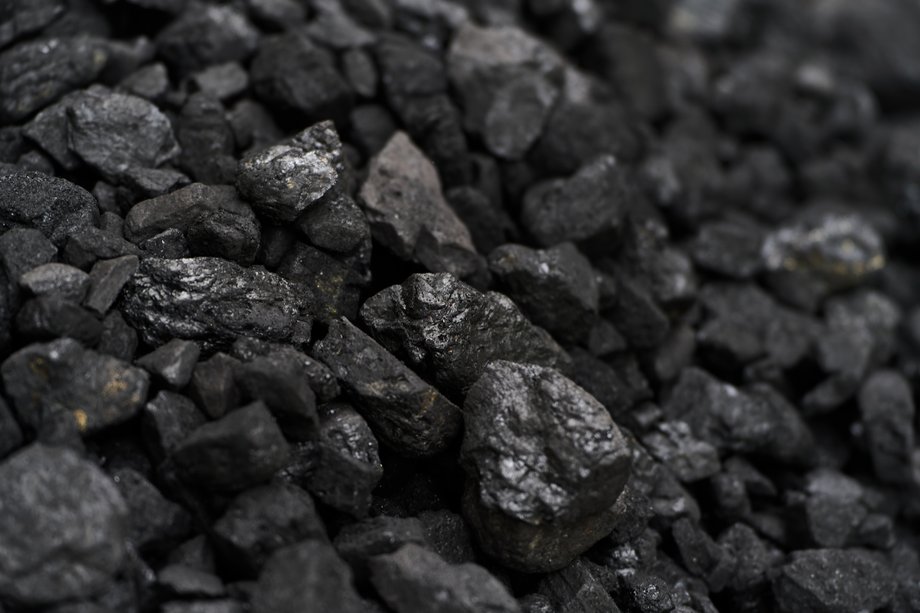
The demand for hard coal in the energy sector is expected to continue to decline
|
alexgo.photography / Shutterstock
Transition period with coal
Deputy Minister Zmarzły confirms the gradual reduction of the energy sector's demand for coal. — At the same time, it should be emphasized that the transition period of the energy transformation will be the most demanding – still largely based on hard coal – until the infrastructure of new energy sources, such as gas units or nuclear energy, is fully operational – adds.
Replacing coal with gas as an available and peak source is already happening, and it is also visible that the Ministry of Energy is leaning towards the “from coal to nuclear” scenario. Arguments for the latter, i.e. the development of nuclear power instead of coal. they concern not only energy (providing the system with controllable sources operating in the so-called base regardless of weather conditions) but also social issues – attracting investments and creating new, well-paid jobs in post-mining regions.
Read also: Are coal-dependent regions doomed to Detroit's fate? The expert shows the remedy [WYWIAD]
As for alternatives for miners, Deputy Minister Zmarzły admits that “modern technologies do not always translate into a comparable number of jobs, although they often also generate new forms of employment.” We also wrote in Business Insider that green industries often offer less attractive employment conditions than mining.

Marian Zmarzły, Undersecretary of State at the Ministry of Energy
|
Ministry of Energy / Ministry of Energy
The future of coal-related companies
A representative of the Ministry of Energy emphasizes that “adequate support systems” are needed during the energy transformation. It reminds us of the amended act. — This act is not only key to ensuring the stability of the operations of coal companies, but also enables the use of protective instruments and social security for employees of the sector, he says.
Zmarzły points out that employees in the mining industry are accustomed to performing complex and higher-risk tasks. As he says, miners leaving the mines have so far found employment, among others: in construction and transport, they also decide to start their own businesses. However, transformation is not only about stories of individual people, but also of entire companies. What will happen to mining-related enterprises today?
—Entities that have previously operated mainly in the mining sector naturally find their place, among others: in tunnel construction, while some specialized companies will look for opportunities to provide contracting and subcontracting services in the electrical or machinery industries – Marian Zmarzły answers this question.
The deputy minister of energy also admits that it will not be easy for companies to find their way in the post-coal reality. — Searching for new sales markets and areas of activity is a significant and demanding challenge for mining-related enterprises, especially in the context of the need to obtain orders and contracts also outside the Silesian region – he says. In Dominik Brodacki's report, we read about the possibility of transforming mines and mining companies into companies dealing with underground engineering works, reclamation or drilling.
The president comes into play
In 2025, budget expenditure on the hard coal mining sector, including the ongoing operation of mines and covering their losses, amounted to over PLN 9 billion. This year the amount should be lower and amount to approximately PLN 5.5 billion. In turn, the mining act in force from this year assumes that we will spend approximately PLN 11 billion on the closure of mines and protection for departing employees by 2035. Is that a lot?
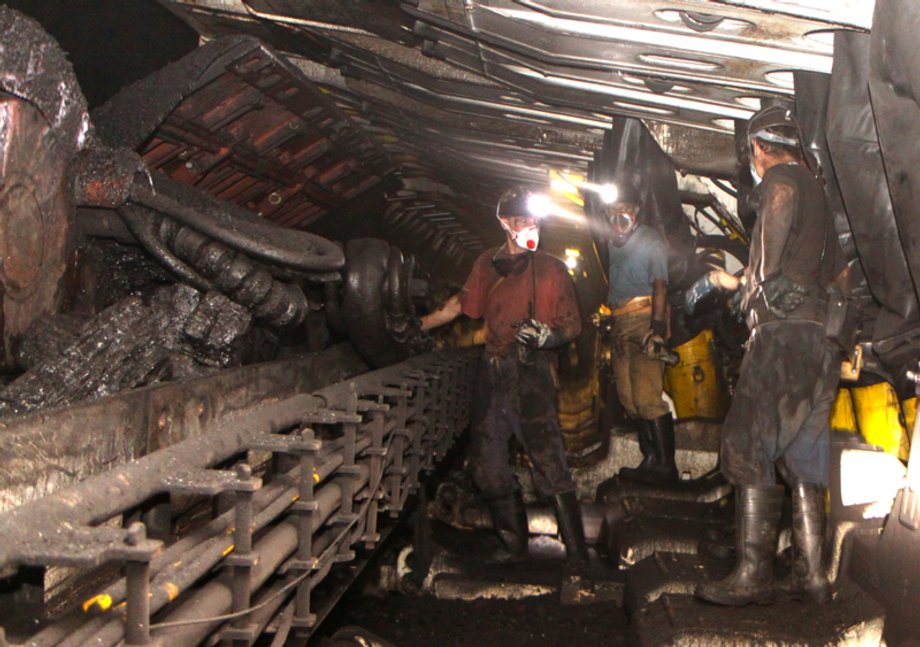
Miners in a coal mine
|
PGG / PGG
—The structure of the Social Agreement assumes an increase in budget burdens as the demand for coal is gradually reduced by the domestic energy sector. The costs resulting from the need to keep mines operational while investing in new technologies will be inevitable and significant – admits Marian Zmarzły.
Read also: Will the Commission save the coal regions? Planning a just transition
The deputy minister explains these expenses with the need to maintain a transitional period in the Polish energy sector (with the continued operation of gradually limited coal). As he says, “you cannot take hasty actions that could threaten the stability and operational security of the national energy system.”
On February 5, the previously announced draft amendment to the Mining Act, this time prepared by President Karol Nawrocki, was submitted to the Sejm. In the project, the head of state proposes extending the same rights to leaves and severance pay to miners leaving private mines (the act in force since the beginning of the year only allows public sector employees to do so). So far, the Ministry of Energy has not commented on the idea, which, according to the president's entourage, is, among others, a response to the demands of miners from the PG Silesia mine.