
Zelenski announces US deadline for peace with Russia, but experts issue warning for NATO's eastern flank / Latest information on negotiations

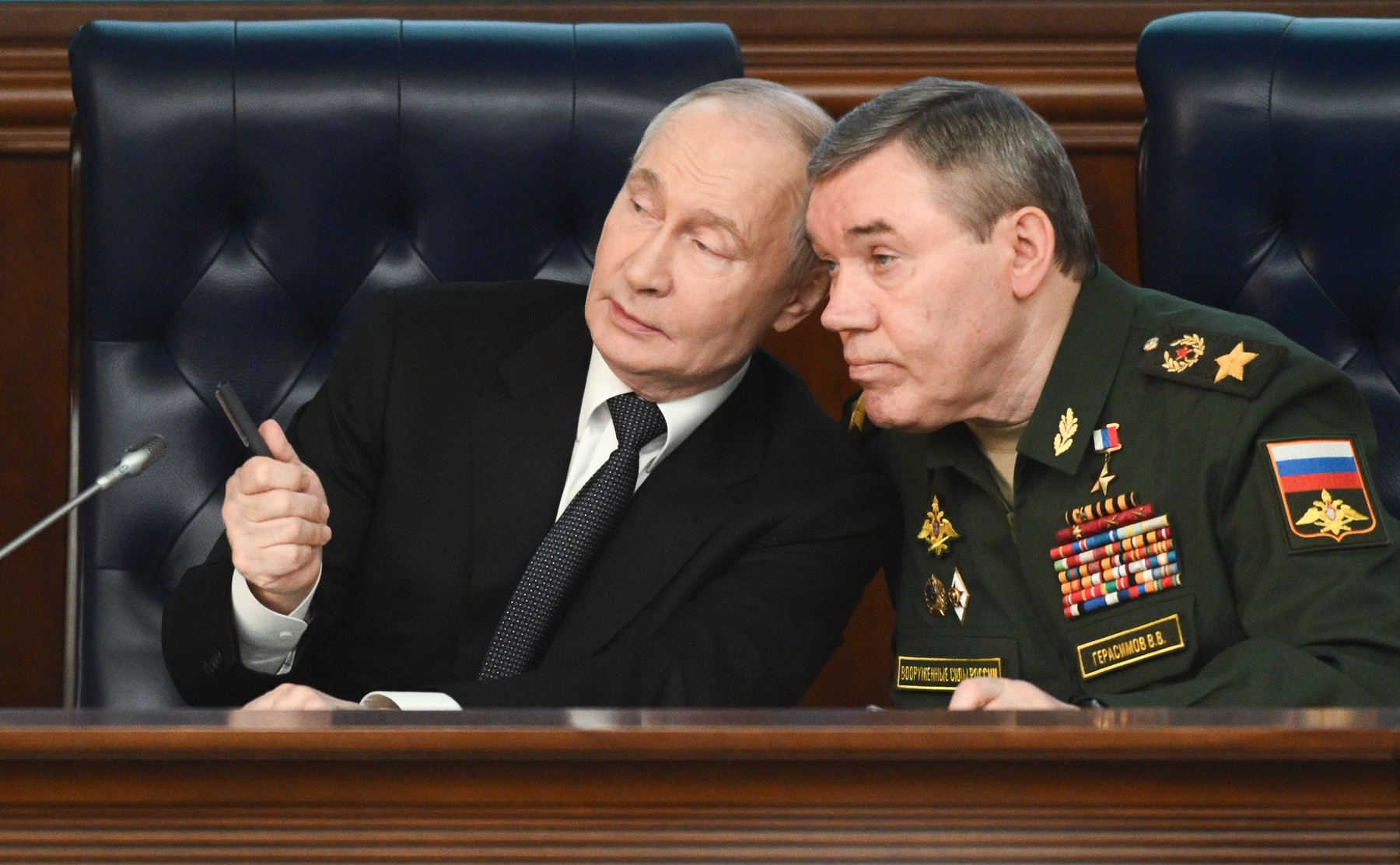
Russian threat to NATO's eastern flank could intensify after Ukraine ceasefire. “As long as Ukraine defends Europe, the danger is not so great,” said the chairman of the Munich Security Conference (MSC), Wolfgang Ischinger, in a commentary for the Tagesspiegel publication, according to Deutsche Welle.
The security expert said Russian President Vladimir Putin's forces are currently stuck in Ukraine, “and he's losing thousands of soldiers every week.”
Ischinger believes that a ceasefire in Ukraine would allow Putin to “continue his rearmament in peace”, which would “intensify” the threat to NATO.
On the other hand, he insisted that he supports the solution of a peace agreement.
“I wish nothing more for the people of Ukraine. But the Russian threat will also increase for us Germans if a future cease-fire is not accompanied by a massive reduction in the military build-up in Russia's western military districts,” the MSC president emphasized.
This year's edition of the Munich Security Conference will take place from February 13-15.
The Trump administration wants the war to end “by June,” Zelenskiy says
Ukrainian President Volodymyr Zelensky told reporters that the US has proposed a new round of negotiations between Moscow and Kiev in a week's time in Miami.
“The Americans are proposing that the parties end the war before the start of summer, and they will probably put pressure on the parties to meet this timetable,” Zelenskiy said, as quoted by Reuters.
“The (US mid-term parliamentary) elections are definitely more important to them. Let's not be naive. And they say they want to resolve everything by June,” the Kiev leader added, noting that the Ukrainian side had suggested a phasing plan.
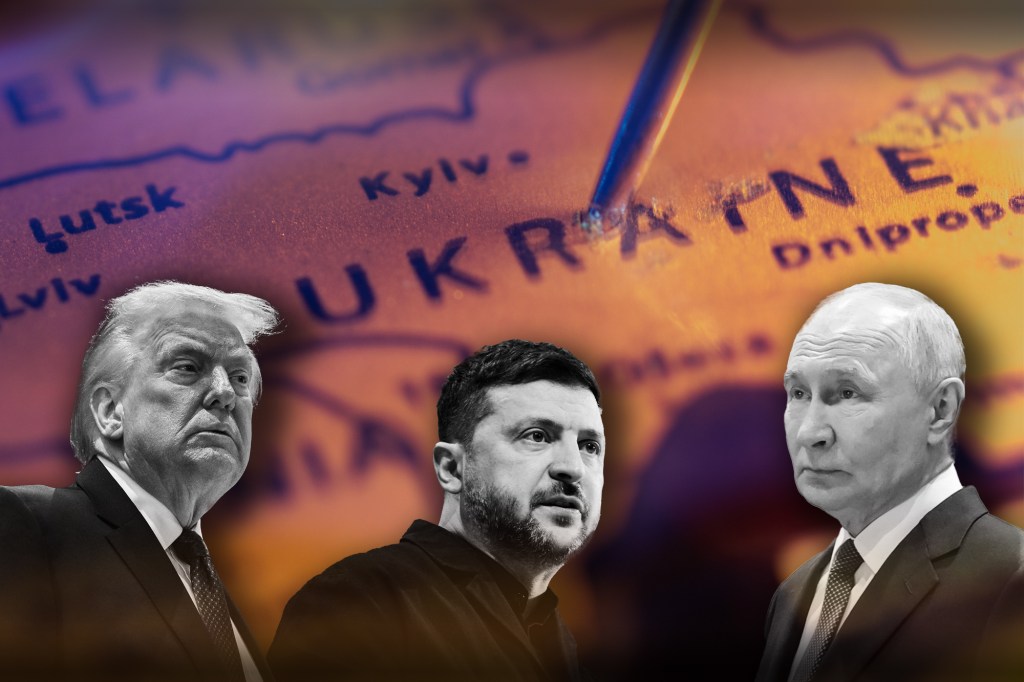 Deadline for ending the war in Ukraine. Zelensky revealed the Americans' plan. “They will pressure”
The American publication Axios wrote on Saturday that the time horizon proposed by Washington is an ambitious one, on the one hand because there are still significant differences between the positions of Moscow and Kiev, and on the other hand because Ukraine will have to organize a referendum on the subject of the peace agreement before it is signed, a process that can take several months.
“We had very good talks today on Russia-Ukraine. Something could happen,” US President Donald Trump told reporters aboard Air Force One on Friday night.
Negotiations at the political and military level
High-ranking officials from Russia and Ukraine held a second round of negotiations in Abu Dhabi on Wednesday and Thursday mediated by Trump's emissaries, Steve Witkoff and Jared Kushner, the US president's son-in-law.
On Friday, Zelensky said that the Russian delegation in Abu Dhabi had changed its speech and, instead of entering into “historical arguments”, had a “concrete” discussion about what it was ready to do and what it was not.
The talks took place as part of a military working group debating how to monitor and enforce a ceasefire once agreed.
The president of Ukraine also said that during the talks, the American side confirmed that it will be actively involved in monitoring a future ceasefire.
Negotiations also took place within a political working group, where the main sticking point was addressed – Russia's desire to withdraw Ukraine from those areas of Donbas that it still controls.
The future of Donbas remains the main obstacle
Russia is demanding control of all of Donbas in any possible deal, even though Ukraine still controls more than 5,000 square kilometers of the region, according to Reuters.
Ukraine, which considers this demand unacceptable, has shown openness to ideas such as the creation of a demilitarized zone or a free trade zone.
Sources with knowledge of how negotiations to end the war have progressed say “there is still no progress on the territorial issue.”
The Zaporozhye nuclear power plant, the largest in Europe, is a sensitive point.
One source said the Trump administration has proposed that the U.S. manage the plant and distribute power to both Russia and Ukraine. On the other hand, Moscow insists it wants control of the plant and will provide Ukraine with cheap energy, a proposal considered unacceptable in Kiev.
Even in the scenario where a consensus would be reached in these respects, the Ukrainians could refuse any territorial concession in a referendum.
Russia occupies about 20 percent of Ukraine's territory, including the Crimean peninsula, which it illegally annexed in 2014, and parts of the Donbas it conquered before the full-scale invasion it launched in February 2022.
Analysts estimate that Russia has gained about 1.3% of Ukrainian territory since the beginning of 2023.


