The European Union and deregulation. Non-governmental organizations criticize the project of changes


In January, the European Commission said it wanted to ease internal legislative procedures because it needed to respond faster “a constantly changing and unstable geopolitical environment”.
To achieve this, the EC wants to propose new guidelines. They would reduce time-consuming impact analyzes and public consultations when developing new regulations. This would allow Brussels to take action “quick and decisive actions”as stated in the announcement encouraging public consultations on this topic.
However, dozens of submissions from non-governmental organizations, trade unions, academia, industry and private individuals, published on the Commission's website, indicate that such a plan will lead to non-transparent decisions and will prevent a reliable assessment of the economic, social and environmental effects of the new regulations.
The Better Regulation Guidelines, last updated in 2021, set out the stages the EU should follow when developing new regulations. Regulations must be “based on the best available evidence” and any proposal that involves high costs or significant economic, environmental or social impacts requires an impact assessment.
However, given increasingly challenging global trade circumstances, political instability, defense needs and growing anti-EU sentiment in many Member States, the existing methods of law-making no longer fulfill their functionas the Commission argues.
The updated guidelines “should provide for accelerated procedures for initiatives requiring a rapid response, so that the Commission can act in urgent situations,” the document says.
“Activities behind closed doors”
The Austrian Trade Union Federation claims that the Commission contradicts “its own declared objectives and principles of good administration, transparency and accountability”and that it “rejects the use of urgency as a justification for circumventing democratic safeguards.”
Environmental organizations express similar concerns. Oceana Foundation, legal organization ClientEarth and the Alliance for Health and the Environment they warn about the direction in which the Commission's agenda is heading on better law-making. At the beginning of February, over 50 non-governmental organizations published a joint statement on this matter.
Civil society groups are not alone in their concerns. Industry representatives also warn against using “political urgency” as a an excuse to ignore reliable impact assessments. These included the Swedish Food Industry Federation and the French bank Credit Agricole.
“Comprehensive impact assessments remain key to understanding the impact of new regulations on the existing legal framework“, the European Banking Federation emphasizes in its position paper. The organization expressed concern about “the increasing number of cases where impact assessments are omitted without sufficient and transparent justification.”
Alberto Alemanno, professor of law and EU politics at HEC Paris, goes even further. He accuses the Commission of “using geopolitical threats to dismantle the standards that protect us.”
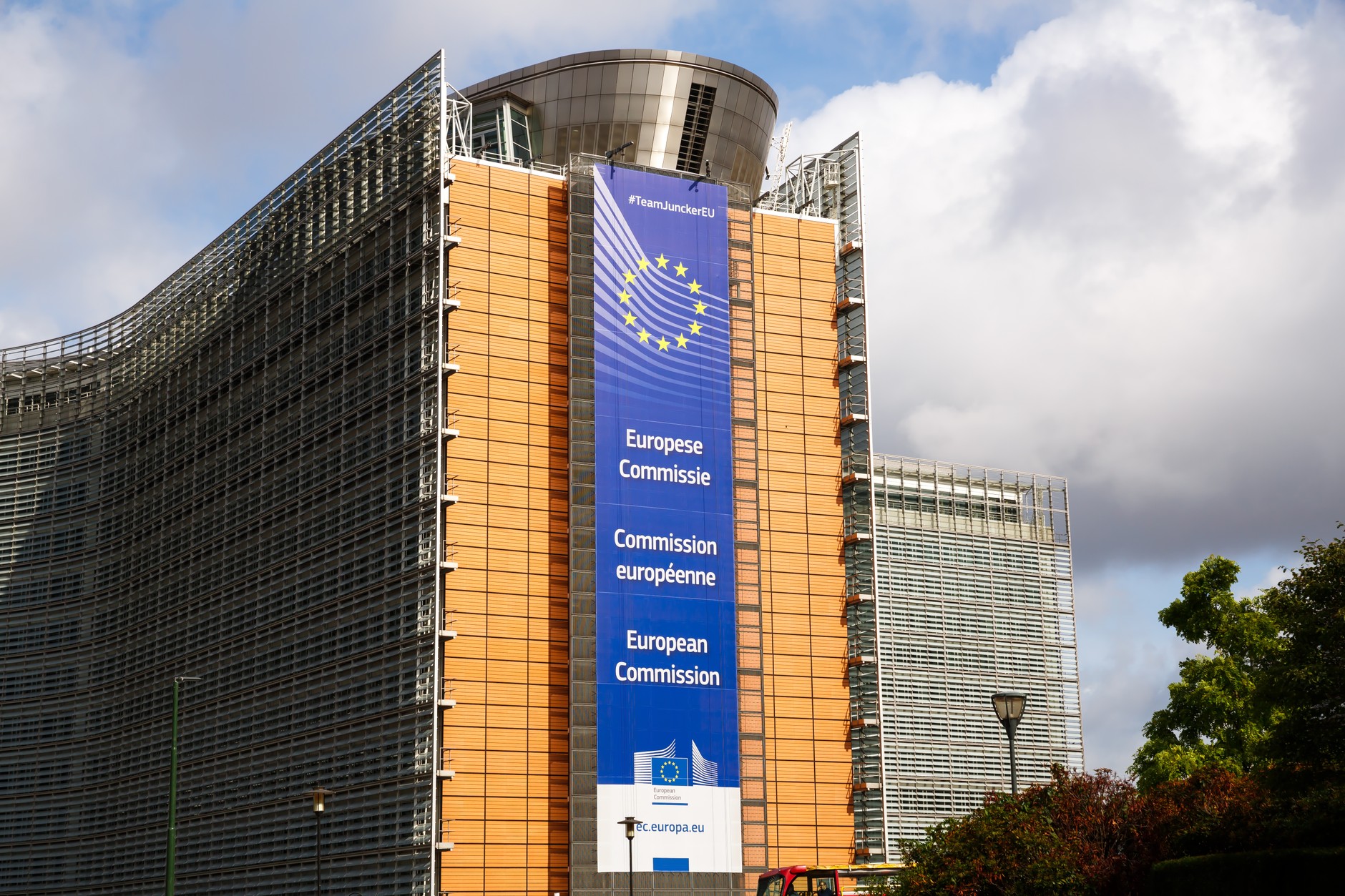
European Commission headquarters in Brussels, Belgium, 13 August 2015 (illustrative photo)ruzanna / Shutterstock
— This is a deliberate attempt to institutionalize deregulation through the back door, in which public transparency is replaced by actions behind closed doors, and citizens' right to co-create EU law is being quietly dismantled – he said.
Judging by the reactions so far, There are very few supporters of this solution. The European Commission did not respond to POLITICO's request for comment on the matter.
The paradox of deregulation. “Uncertainty that simplifications are supposed to reduce”
The proposed changes come at a time when the Commission is determined to pursue its regulatory simplification agenda. There are already 10 deregulatory proposals on the table — called “omnibus packages” in Brussels — covering agriculture, technology, defense, chemistry and environmental protection.
The EU has already faced criticism from many sides for its haste in implementing them prevents reliable impact assessments from being carried out. Last November Teresa Anjinho, the European Ombudsman, criticized the Commission for mismanagement because it did not follow guidelines when drawing up several draft regulations simplifying the rules.
— Speed cannot come at the expense of minimum procedural standards, because they guarantee predictability and trust, Anjinho said in January during an event organized by the Board of the German Trade Federation.
— Sudden regulatory changes are looming introducing a sense of injusticediscouraging early adaptation to the regulations in the future and, as a result, the very uncertainty that simplifications are supposed to reduce, she added.