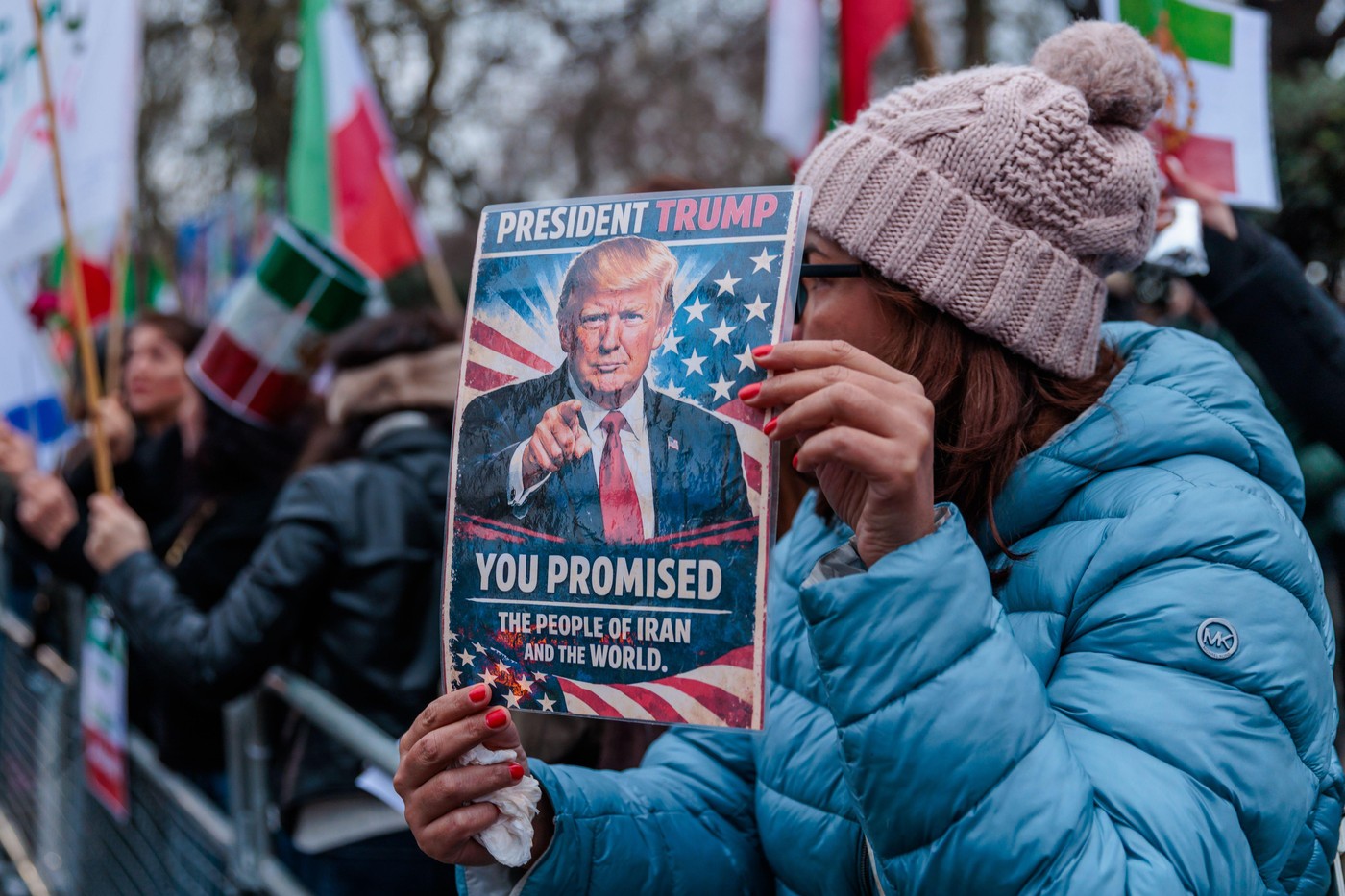
If the United States enters a new war in the Middle East, Trump would make a major political bet in a country increasingly tired of his radical decisions, reports CNN in an analysis of the solutions that the American president currently has.
Polls show that the main concerns of US voters remain the economy, the cost of food and housing. However, the start of the year found Trump focused on other crises. His administration helped oust an authoritarian leader in Venezuela, launched a crackdown on illegal immigrant deportations and renewed attacks on the US electoral system.
In parallel, the president seems increasingly willing to resort to military force. In the first year after returning to the White House, the US launched strikes on targets in Iran, Iraq, Yemen, Syria, Nigeria and Venezuela, as well as on vessels suspected of drug trafficking.
In this context, Trump's threats to Iran, to suppress internal protests and to resume the nuclear program, cause concern.
Negotiations between Washington and Tehran are set to begin in Oman, but the US president's domestic political situation complicates the equation. With an approval rating below 40 percent and legislative elections shaping up to be difficult for Republicans, any military decision could have major consequences.
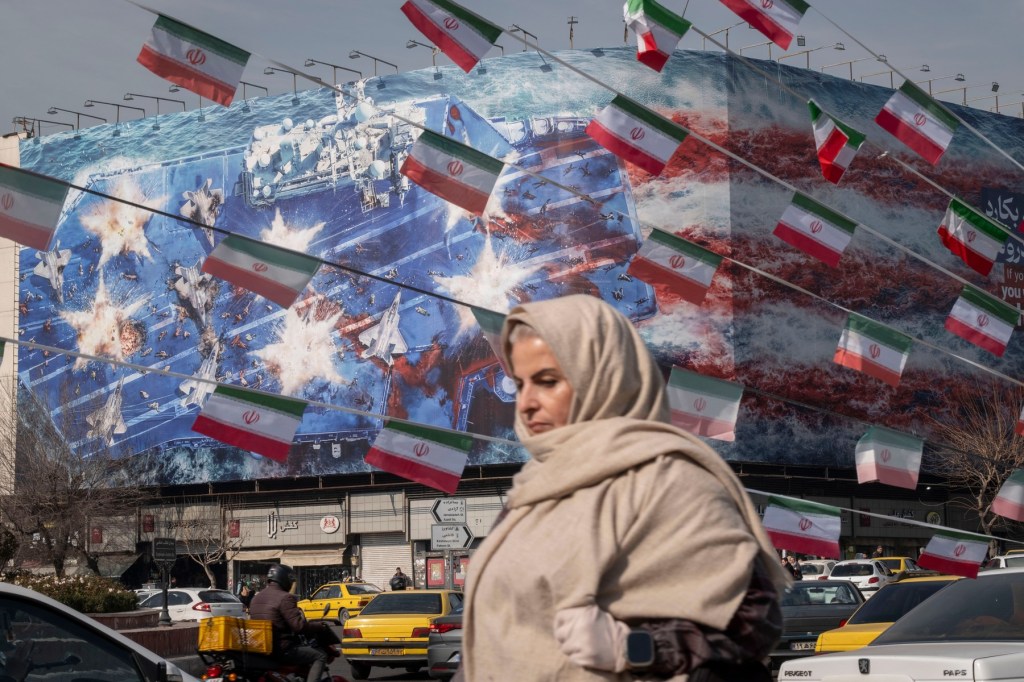 INTERVIEW “In its current form, the Iranian regime will not survive for long.” What's next for Tehran under threat from Trump's army and weakened by blood-soaked protests
Trump relies on pressure and unpredictability
Trump believes his unpredictable style gives him an advantage in negotiations. He believes Iran's religious leaders will accept a deal to avoid war. The US has already concentrated a significant naval force in the region and has military options capable of severely hitting Iranian infrastructure.
The US president has built a reputation as a leader willing to use force. In his first term, he ordered the assassination of Iranian general Qasem Soleimani. In the current term, US bombers have attacked Iranian nuclear facilities. In addition, Trump has threatened to intervene if the Islamic regime cracks down on protests since the beginning of the year. This happened, but the American president took no action.
Iran, in a moment of weakness
For Washington, the timing may seem favorable. Iran is going through a period of vulnerability rarely seen in the 45 years of conflict with the US.
The regime faces uncertainties regarding the succession of the supreme leader, Ayatollah Ali Khamenei. Political legitimacy is severely damaged by protests fueled by the economic crisis and food and water shortages. In addition, the main Iranian-backed organizations in the region, such as Hamas and Hezbollah, have been weakened by confrontations with Israel.
These elements may provide the United States with a strategic opportunity to strike a historic adversary. Such a feat would secure Trump a place in history. That prospect, analysts say, motivates him strongly.
The risks of a major conflict
However, a military intervention against Iran carries huge risks. Destroying Iranian leadership or military structures will most likely require a sustained air campaign. Such a campaign risks producing numerous civilian casualties, as many institutions of repression are located in urban areas.
In the absence of a land invasion, which is considered unlikely, the effectiveness of such an operation remains uncertain. Moreover, regime fall can generate a power vacuum and regional instability, as happened in post-2003 Iraq.
US allies in the Gulf also fear a backlash from Iran, which may retaliate with attacks on regional oil infrastructure or destabilize the area in the long term.
Diplomacy, a difficult solution
Although the Trump administration is keeping the path to negotiations open, the chances of an agreement seem slim. Washington wants to discuss not only Iran's nuclear program, but also ballistic missiles and Tehran's support for armed groups in the region. Iran, however, seems willing to negotiate only on the nuclear issue and demands the lifting of sanctions.
A limited compromise may be presented by Trump as a diplomatic victory, but it risks being perceived as a strategic retreat. At the same time, Iranian leaders can continue the traditional strategy of testing the limits of agreements and waiting for political changes in Washington.
Meanwhile, the Iranian population, hoping for reform and freedom, risks remaining under the control of an authoritarian regime with no real prospects for change.