Ilie Bolojan, after JP Morgan's warning that Romania ended up borrowing record amounts: We must ensure political stability


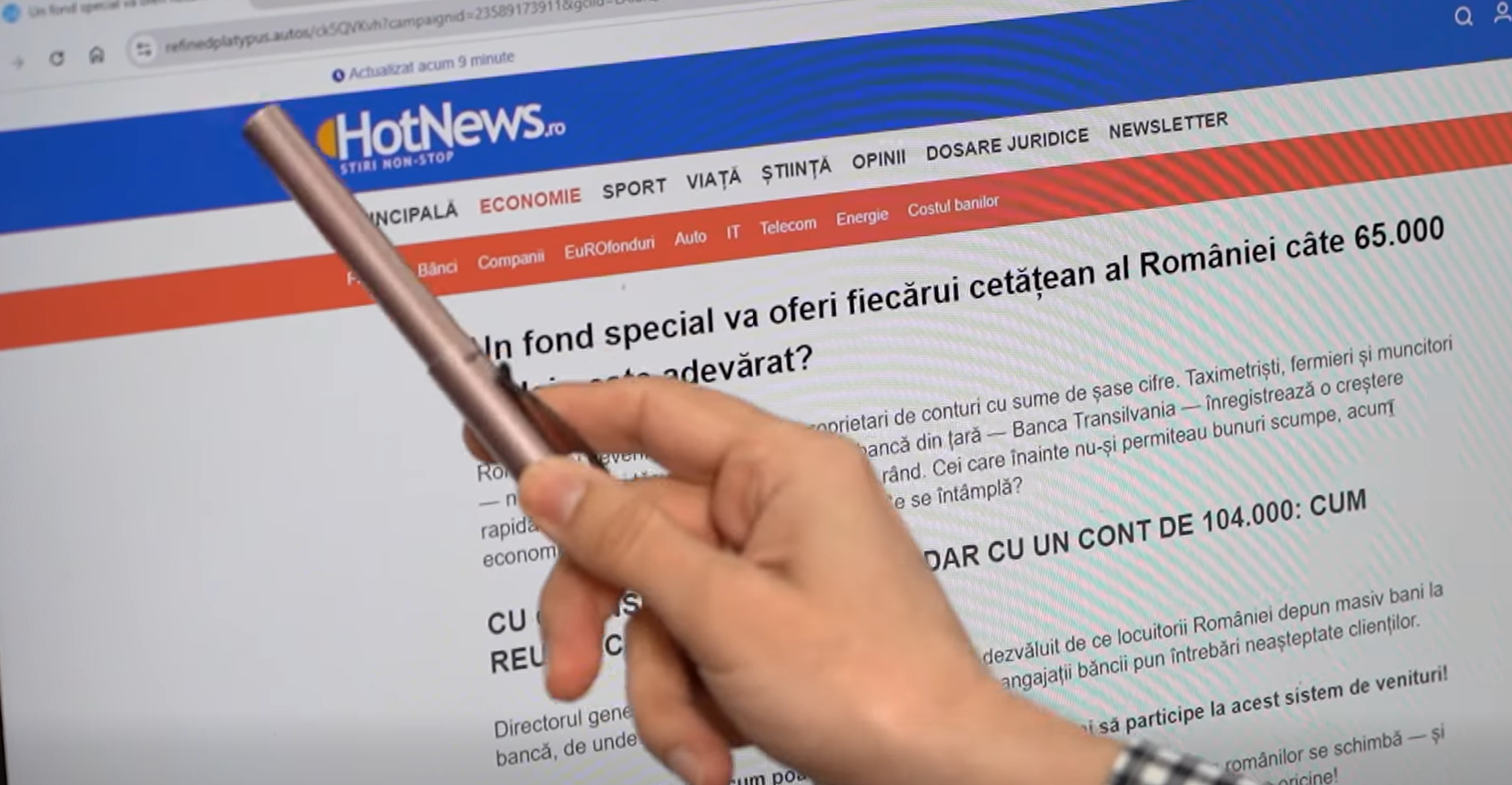
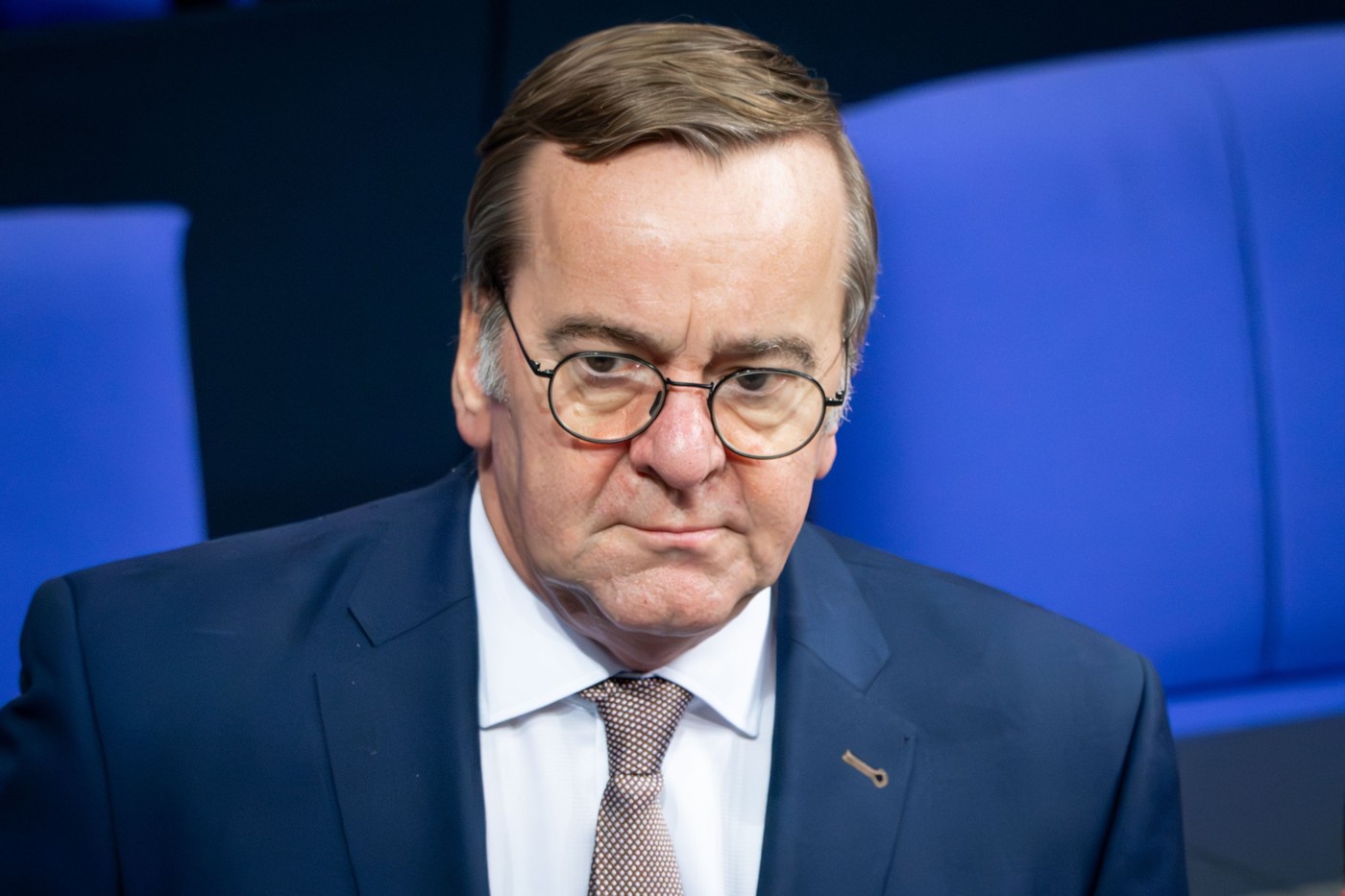
“What we have to do is to ensure political stability, regardless of the coalition, regardless of who is prime minister,” answered Prime Minister Ilie Bolojan on Wednesday, when asked by HotNews about the fact that our country ended up borrowing record amounts from foreign markets. “Political stability is a basic element that generates the cost of interest,” the head of government pointed out.
“There are only a few solutions that have been put into practice by all the countries that have gone through such difficult situations as Romania. The more we put these solutions into practice in a coordinated manner, the more responsible we are, the lower the costs that citizens pay and the shorter the period. This means that no matter who will be in government, we will not be able not to contract loans from one day to the next, so Romania will continue to take loans”, said the prime minister, related to the warnings that came from the part of the American bank JP Morgan regarding Romania's public debt.
ING's chief economist also drew attention to the fact that Romania is approaching a sensitive threshold: in 2026, public debt will exceed 60% of GDP.
Asked on Wednesday how much more Romania can borrow from foreign markets and what solution he sees in the conditions where, on the one hand, there are these alarm signals, and, on the other hand, the coalition is asked to adopt the reduction of local taxes or “solidarity packages”, Ilie Bolojan specified: “It is important to reduce both their amount, in sum, but very important is to reduce our interest rates. Romania, unfortunately, pays higher interest rates, on the one hand due to the fact that it did not project any budgetary predictability”.
“If we have done something, it is that we have managed to keep the budget under control and we have regained the confidence of the markets in Romania, because we have generated basic, structural, large expenses, which must be reduced, because we have not collected our revenues both through the exceptions that were innumerable, but also through not collecting them – the established ones, and because, indeed, due to the delay in development, we have had very large investments that had to be borne”, he added.
“What we need to do is to keep these important directions, to ensure political stability, regardless of the coalition, regardless of who is prime minister. Political stability is a basic element that generates the cost of interest. At least, probably 0.5% – 1 percent of interest is given by the perception of stability, by measures that are adopted,” Bolojan said.
“For example, a partner country with Romania, Italy's country rating improved after many years because it generated the perception of stability. This is the reality and this can be verified. I hope we do the same”, concluded the prime minister.
The alarm signal from JP Morgan
Romania's dependence on money borrowed from foreign markets is extremely high, Nicolaie Alexandru-Chidesciuc, managing director at JP Morgan, drew attention. Saudi Arabia borrows very large amounts from foreign markets, but in 2024 it was overtaken by Romania in this regard, said economist JP Morgan.
“I'm going to give you some figures, although I didn't want to. Speaking of dependence on the foreign market, Romania borrowed about 19 billion euros in 2024. It's practically the largest loan of all emerging countries – no one has borrowed such an amount. In 2025, Romania borrowed 18 billion euros, much more than Poland or Turkey. In 2024, we borrowed more than Saudi Arabia, which they borrow very large amounts”, explained Chidesciuc.
 Alarm signal from JP Morgan: Romania borrows record amounts. In 2024, it borrowed more than Saudi Arabia, which is the champion
He is of the opinion that Romania clearly has a problem with the fiscal deficit, which also led to the current account deficit. “Therefore, this fiscal problem needs to be resolved. The government is moving in this direction, but more is needed,” the JP Morgan banker believes.
The budget must be put “on a diet”
Nicolaie Alexandru-Chidesciuc is not the only economist who warned about Romania's public debt.
The chief economist of ING Romania, Valentin Tătaru, says, in an analysis sent to HotNews, that Romania is approaching a sensitive threshold: in 2026, public debt will exceed 60% of GDP. This means, in short, that the state ended up borrowing too much compared to what the economy produces, he explains. From this moment on, there is no room for procrastination: the budget must be put “on a diet” and fiscal discipline becomes essential.
For investors and rating agencies, Romania's problem is no longer “how quickly it catches up with the West”, but whether it manages to repair its finances, says Tătaru.
With weak budget revenues, rigid expenses and high borrowing needs, Romania's main risk is the lack of fiscal rigor, believes the chief economist of ING Romania.
Valentin Tătaru states that the entry into 2026 marks an important change: the public debt no longer increases “out of inertia”, but enters an area where every budget decision matters.
The measures taken in 2025 – tax increases, spending limits – were not optional, according to him. They were mathematically necessary, Tătaru believes. Without them, Romania's debt would have quickly gotten out of control.
Bolojan's adviser: 90% of taxes go to salaries and pensions
On Wednesday, Ionuț Dumitru, advisor to Prime Minister Ilie Bolojan, stated that the pressure on the public debt remains high, despite the reduction of the budget deficit last year.
“The additional pressures we have in the budget, the increase in defense spending, that is, our budget is still very strained,” Dumitru told Digi24.
His statements were made in the context in which the leader of UDMR Kelemen Hunor declared, on Tuesday evening, that going back on the decision regarding the increase of taxes at all town halls according to the new tax grid is not “a sign of weakness, but a sign of maturity”. He said local taxes and duties can be cut by 50%.
 Ionuț Dumitru, adviser to the prime minister: 90% of taxes go to salaries and pensions
According to the economist Ionuț Dumitru, Romania is in the last position in Europe from the perspective of the share of tax revenues in the economy.
“Let's look a bit at the big numbers. Romania collects about 28% of GDP from taxes and fees, the lowest share in Europe”, explained Ionuț Dumitru. In his opinion, the problem is not only the low level of receipts, but the way in which they are used for mandatory social expenses.
According to the calculations presented by the economist, the salaries of the budget workers and social assistance almost swallow most of the money collected.
“So we were spending 28% of GDP, about 11% of GDP on salaries and we also had the social assistance part, which primarily includes the part of pensions at around 11-12% of GDP, so already from 28% of GDP, 11 salaries plus another 12, social assistance, almost 90% of what we collect from taxes and duties already went to salaries and social assistance, that is, social expenses mandatory”, explained the economist.