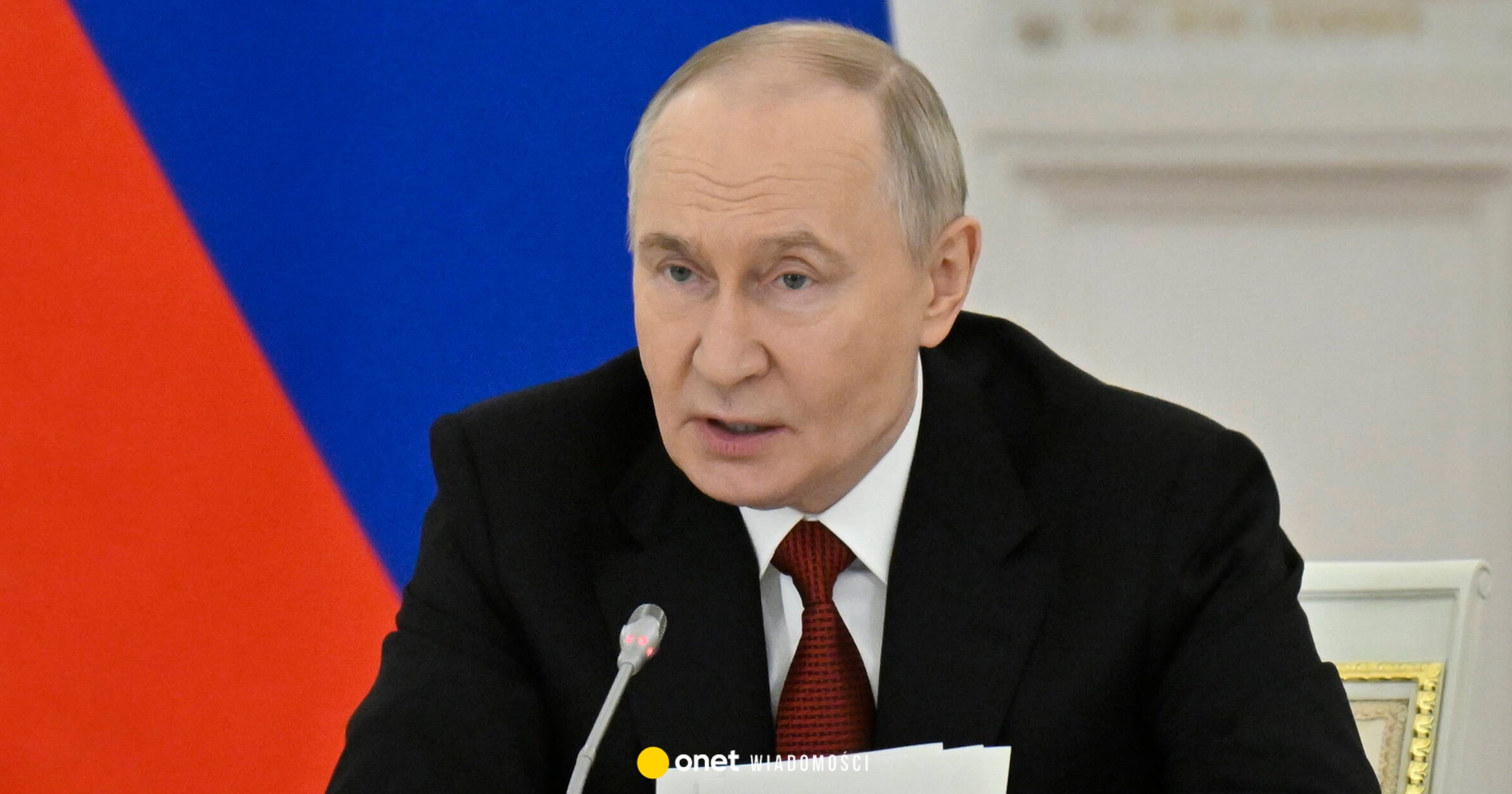
A report by the US Congress accuses the European Commission of interfering in the elections in Romania and other member states

A report by the Judiciary Committee of the US House of Representatives accuses the European Commission of having interfered in the electoral processes of member states, including the one in Romania, by pressuring social platforms to censor content.

A report by the US Congress accuses the EC of interfering in the elections in Romania PHOTO: Reuters
A report from the United States Congress makes serious accusations against the European Commission, claiming that the EU executive interfered in the national elections of some member states. The document, drawn up by the Judiciary Committee of the House of Representatives, describes a campaign to censor American speech that was allegedly carried out by the European Commission over the course of a decade.
Intervention in electoral processes
The American report explicitly mentions impermissible interference in elections in several countries. Regarding Romania, the document claims that “the elections were canceled without evidence and candidates were eliminated so that the “candidate preferred by the establishment” would emerge as president”. The European executive is accused of exerting pressure on social media networks to censor certain content during election periods in Slovakia, Ireland, the Netherlands, France, Moldova and Romania, according to Digi24.
The situation in Romania is detailed in the context of the decision of the Constitutional Court to cancel the first round of the presidential elections in 2024. This decision came after the Romanian Intelligence Service presented evidence of Russian interference through a campaign on TikTok, intended to artificially increase support for the candidate Călin Georgescu.
“European Commission pressured social platforms to censor”
The report details the methods used: “The European Commission has pressed social platforms to censor content ahead of national elections in Slovakia, the Netherlands, France, Moldova, Romania and Ireland, in addition to EU elections in June 2024“.
“Since the DSA (Digital Services Regulation) came into force in 2023, the European Commission has engaged against platforms and pressured them to aggressively censor content before the national elections in Moldova, the Netherlands, France, Ireland and Romania. The Commission activated rapid response systems ahead of the 2024 French legislative elections, the 2024 Moldovan presidential elections, the 2024-2025 Romanian presidential elections and the 2025 German legislative elections.”
The report of the American congress thus calls into question the neutrality and limits of action of the European Commission during sensitive electoral periods.