The dollar weakens and gold explodes worldwide — how Romanians can protect themselves from currency volatility


The significant drop of the dollar in relation to other currencies, greeted with enthusiasm by Donald Trump, can create big problems for companies that have import-export activities, including Romanian ones. The specialists contacted by “Adevărul” explained the levers with which Romanians can protect their businesses from the depreciation of the dollar.
Photo by Shutterstock
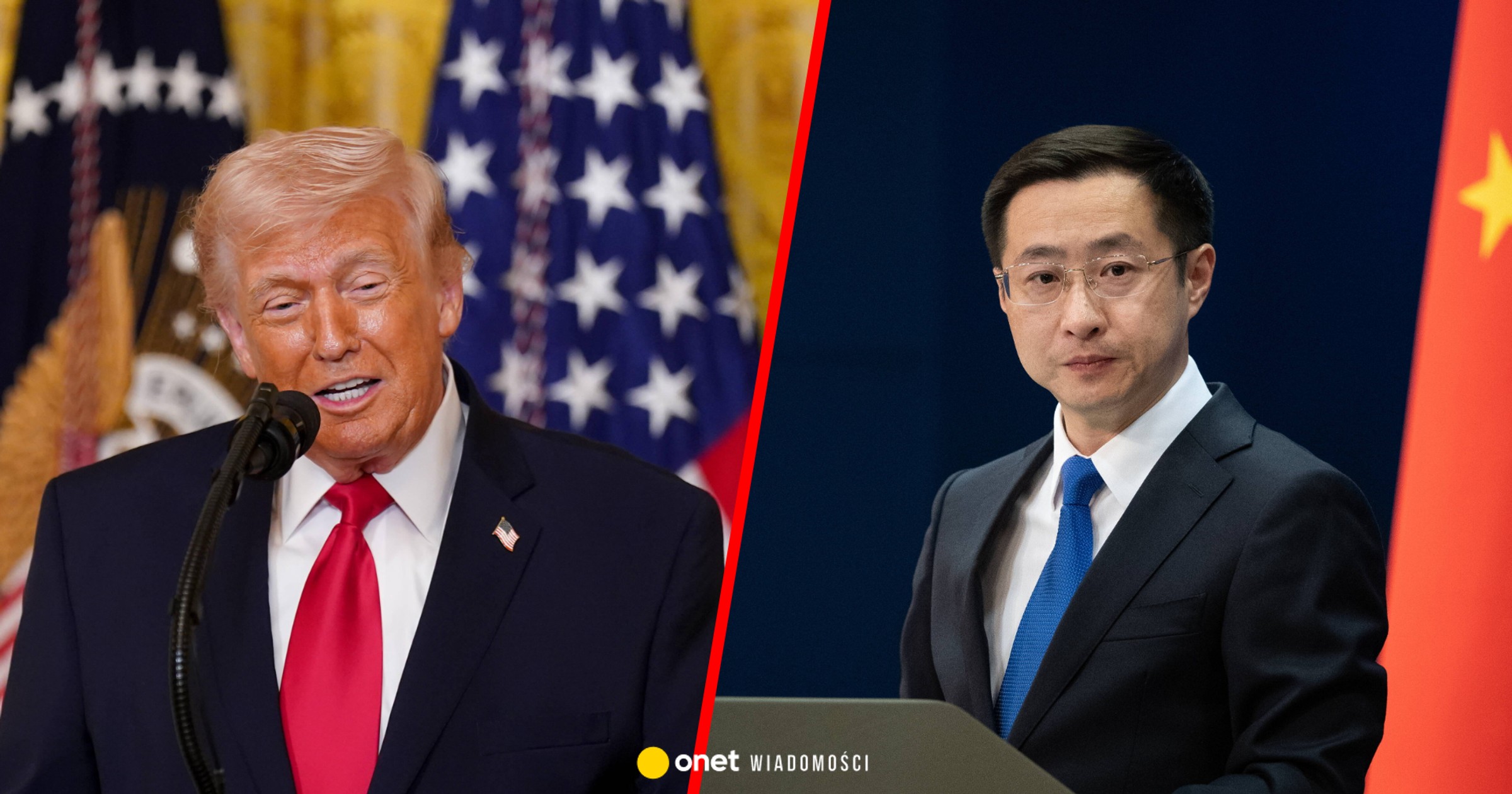
The dollar suffered its deepest one-day drop since tariffs were imposed last year after Trump said he did not believe the currency had weakened excessively, Bloomberg writes. The Bloomberg dollar index fell to its lowest level in nearly four years in New York trading, before paring some of the declines in Asia. The dollar's collapse helped push both the euro and the pound to their highest levels since 2021, while the Swiss franc hit its highest level since 2015. In Asia, the South Korean won and the Malaysian ringgit led gains against the US currency. Gold rose to a new world record above $5,250 an ounce.
Later, the American economist Peter Schiff stated that the accelerated rise in the price of gold and the implicit collapse of the dollar signaled the approach of a severe crisis, arguing that inflation was rising while the US dollar was losing globally.
“We depend on the world. They supply us with the goods we do not produce. They lend us the money we don't save. Trump gets it the other way around. The world economy doesn't work because of us – our economy works because of the world”Schiff said.
“We have a dysfunctional economy based on consumer credit that relies on the US dollar's reserve currency status, and the world is now pulling the rug from under the US's feet. The dollar will collapse. The dollar will be replaced by gold.”
How Romanians protect themselves from currency fluctuations
Asked what influences these turbulences will have on businesses that deal with import-export in Romania, the analysts listed some ways that can protect Romanians.
“In a global economy where more and more businesses span multiple markets and payments are made in dollars or euros, the volatility of currency exchange flows or the tactical measures of central banks influence business decisions”, analysts explained for “truth“.
According to a Revolut Business study conducted in December 2025 among Romanian decision-makers and entrepreneurs, the risk of currency volatility was mentioned by 9.3% of respondents in the sample, and the percentage increased to 15% for chief financial officers (CFOs). Also, a higher than average percentage of responses (14%) was noted, in the aforementioned study, among decision-makers in companies with 50-1000 employees. We can conclude that medium-sized firms consider themselves more exposed to the risks brought by exchange rate volatility than large firms.
“The current market volatility is unlikely to be a signal of a global euro moment, but rather a mechanical correction. While the Fed pursued a six-month easing cycle, the ECB maintained a more cautious approach, ultimately reducing the attractiveness of the US dollar yield against the euro. We are now seeing an increase in EUR-denominated assets, with our savings products growing by 20% month-on-month as a result of this decision“, Victor Mascha, Treasury Director at Revolut Business, told “Adevărul”.
“Increased uncertainty in the US has made investors more cautious about keeping all their money in US dollars, perhaps reallocating capital to euros to mitigate risk. We are seeing early signs that the dollar's status as the gold standard is evolving; in a market where a single tweet can trigger massive changes, diversification and market monitoring are more important than ever.” he added.
How these fluctuations influence businesses and companies
As the aforementioned study shows, medium-sized companies seem more exposed to the risk of volatility. The more a company operates in multiple markets, especially with suppliers dependent on dollars or euros, the greater the exposure. Those who do business globally know that there are certain financial products that banks make available to B2B customers (that is, business-to-business transactions, not to the end consumer) to protect their cash flows from such fluctuations.
Considering that this week the dollar reached the lowest level in the last 4 years compared to the euro and the leu and is currently quoted in the range of 4.25-4.26 lei, we see an increased interest of Romanian importers who carry out commercial operations through USD for the FX Forward product (foreign exchange contracts), explained Revolut analyst Iulian Boia, stating that through FX Forward contracts, entrepreneurs can protect their businesses from exchange rate fluctuations exchange rate by freezing the exchange rate for 12 or 24 months. This financial instrument is mainly used by companies to eliminate currency risk and lock in a safe rate for future international transactions, regardless of market volatility. Import/export companies use these contracts to secure their budgets and profit margins, knowing exactly how much they will pay or collect on a given date, eliminating unpleasant surprises related to exchange rate developments.
“It's an easy tool to access from our digital platform, our clients have the opportunity to open standard Forward contracts worth up to 500,000 euros (equivalent in different currencies), and our team of specialists can offer personalized assistance.
These days, the main demand comes from Romanian companies that import technological products and equipment from Asia, the USA or raw materials from Africa or Latin America and need to pay invoices in dollars. We therefore see the adaptation of Romanian entrepreneurs to this market context, unlike the year 2025 when most Forward contracts were made with companies that had receipts in euros and wanted to secure a course for the year 2026 or 2027 (mainly software companies, exporters of agricultural equipment and materials or international investors who financed local operations in EUR)“, explained Iulian Boia.