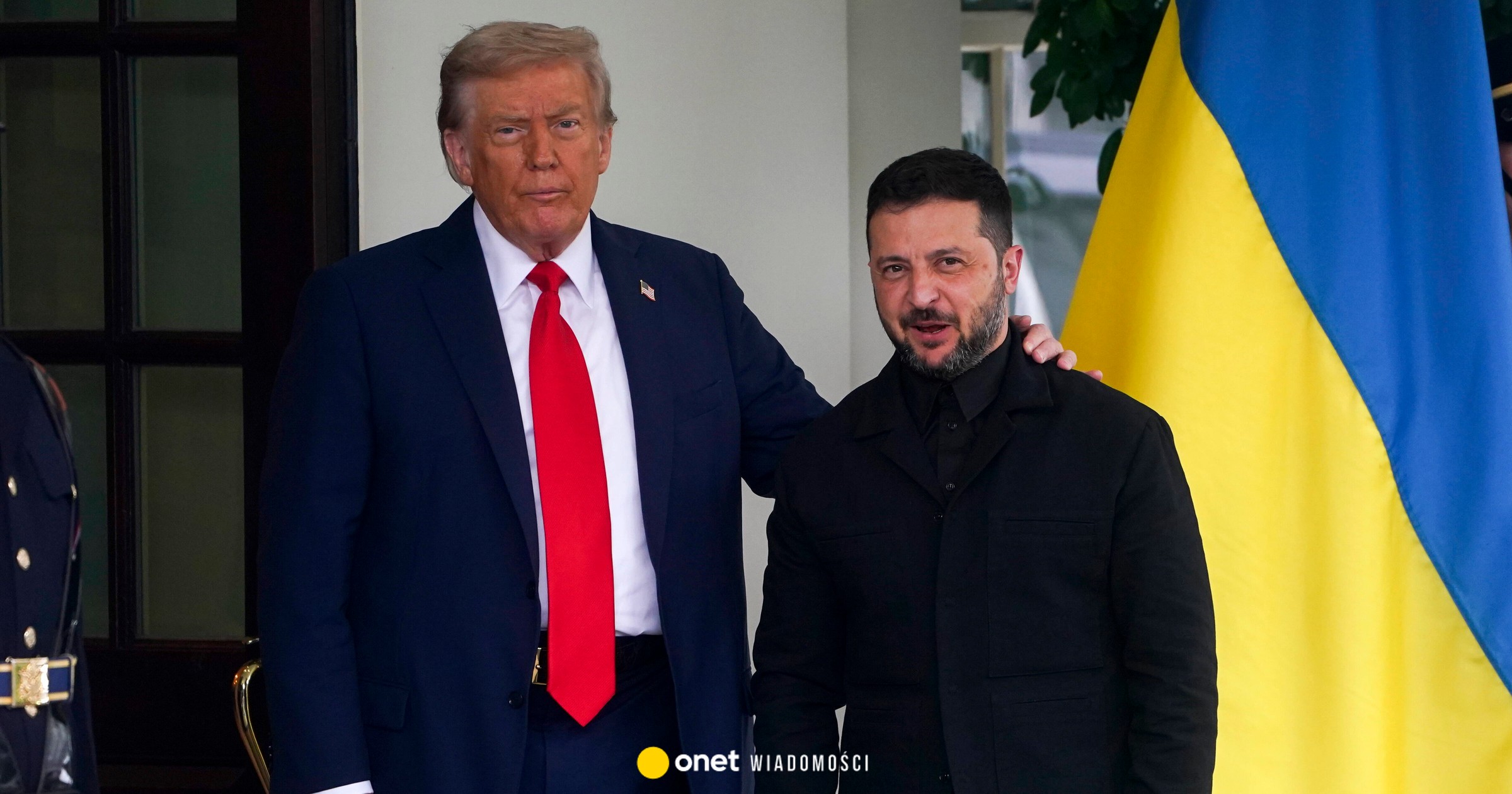
Does the US have a solution to the shadow fleet? This bill is intended to hurt Putin. “Congress will not tolerate loopholes.”

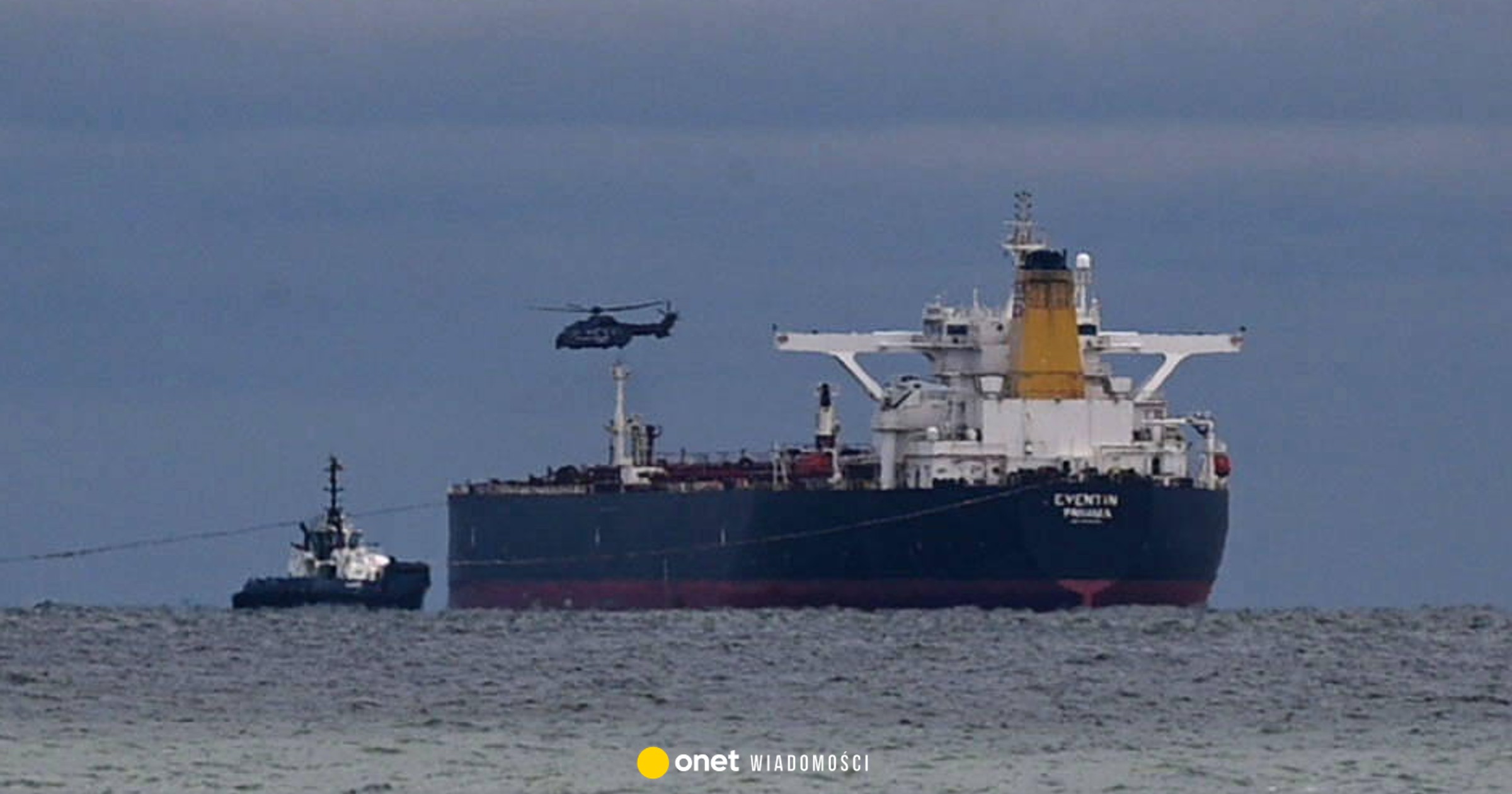
The US sanctions debate is entering even more opaque waters. On Thursday, the Senate Foreign Affairs Committee worked on the SHADOW Fleet Sanctions Act bill. This wide-ranging initiative aims to: increasing economic pressure on Moscow by hitting an opaque network of tankers. This practice allows Russia to maintain the flow of oil profits despite Western sanctions.
Adopting the bill would mean a significant tightening of the approach of the American Congress. Lawmakers unofficially admit that gaps in the enforcement of regulations, differences in the approach of allies and diplomatic complexities continue to undermine the effectiveness of US sanctions.
The actions of American politicians are taken under increasing pressure from Ukraine and European allies at a time when The global sanctions system is undergoing a clear correction phase.
While few expect the bill to immediately cripple Russia's war economy, senior congressional advisers emphasize another importance of the act: raising political expectations in Washington and moving the G7 closer to coordinated action.
“This is not about switching the lever overnight,” says one of the top Senate advisers involved in the talks, requesting anonymity due to the internal nature of the discussion. – This is a signal that Congress will no longer tolerate loopholes in the systemand this message is already echoing in European capitals.
The committee's debate takes place as Ukraine endures another winter amid Russian attacks on power plants, transformer stations and heating systems. Entire cities are plunged into darkness. Families spend frosty nights without heating and electricity. Western representatives claim that the Russians are causing premeditated suffering, and the attacks are financed from energy revenues, which, despite multi-level sanctions, still end up in the Kremlin's purse.
Russia uses the so-called shadow fleet – a vast network old, re-flagged tankerswhich operate thanks to opaque ownership structures, “forgiving” ports and poorly regulated insurance markets. This way it can sell oil to third countries.
Oil profits, Ukrainian officials argue, finance missiles and drones that hit civilian infrastructure. “The motivation of parliamentarians today is hypocrisy,” says another senior Senate adviser. — Sanctions loopholes mean that residents of third countries are warm, while Ukrainians are freezing amidst bombing. It's politically devastating.
The bill aims to close these loopholes by extending liability not only to the ships themselves, but also to insurers, ports, refineries and intermediaries who knowingly allow illegal oil trade. This way the money flow will be cut off without escalating the military conflict.
“This bill is Congress's way of forcing this loophole to be closed.”
The act is formally titled Sanctioning Harbors and Dodgers of Western Sanctions, or SHADOW Fleets Act for short. The bill was introduced four months ago by committee chairman Jim Risch (a Republican) and vice chairwoman Jeanne Shaheen (a Democrat). They are supported by a cross-party coalitionconsisting of Tom Cotton, Lindsey Graham and Pete Ricketts (Republicans) and Sheldon Whitehouse Tim Kaine, Chris Coons and Richard Blumenthal (Democrats).
This is the second major law on energy sanctions against Russia in a year, which underlines that the determination to hit oil exports has clearly increased on Capitol Hillwhich is a drip for the Russian economy.
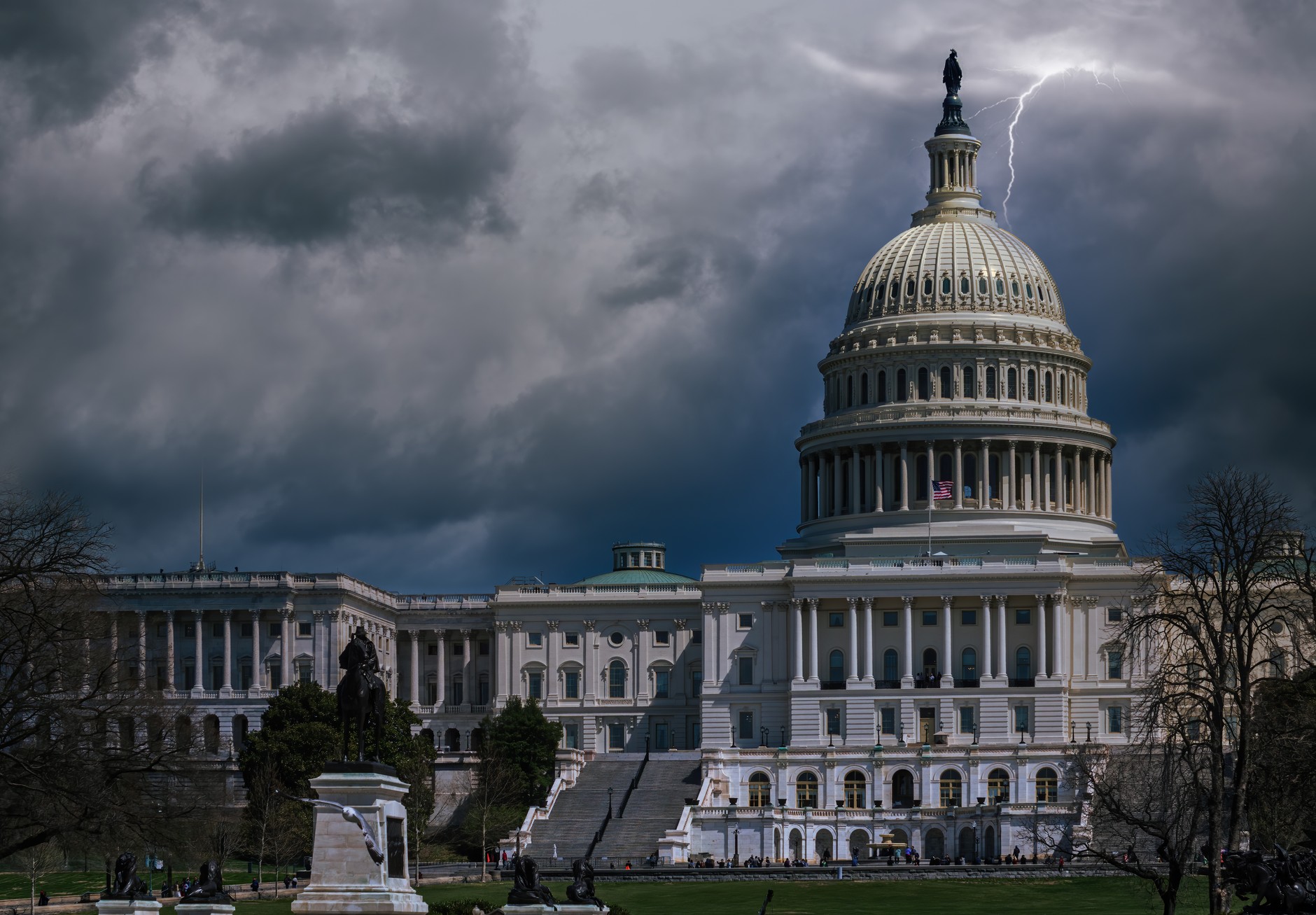
The Capitol, the seat of the American Congress. Illustrative photoFramalicious / Shutterstock
The provisions of the act include, among others: clear criteria for identifying shadow fleet shipsstrict legal liability for transshipments from sanctioned tankers, extension of sanctions on Russian LNG projects in the Arctic, hitting key bottlenecks in Russia's arms industry and permanent closure of the Nord Stream II gas pipeline.
Supporters argue that new regulations will bring the American sanctions system closer to the European one. The differences have been a source of frustration for supporters of a tougher stance for years. — Europe has sanctioned hundreds more ships than the United States, emphasized another senior Senate adviser. — This bill is Congress's way of forcing the administration to close this loophole.
The timing of the committee's vote is not accidental. The parallel actions raise cautious optimism that broader G7 coordination in enforcing shadow fleet sanctions is possible — even if strategies remain inconsistent. While the EU and UK introduced several sanctions packages last year, The US took a more limited approach.
In October, Washington sanctioned Rosneft and Lukoil, exposing them to the risk of secondary sanctions – this is how far the most serious step of the US administration in 2025 These actions brought measurable results. Russia's oil and gas revenues fell by 22% in the first eleven months of 2025. Moscow was forced to redirect exports through smaller companies.
The International Monetary Fund has lowered Russia's economic growth forecast for 2025 to 0.6 percent, inflation remains high and the budget deficit is growing. Despite this, the Russian defense industry continues to expandand Moscow claims that almost 90 percent drone production is already localized in the country, showing the limits of sanctions if not accompanied by consistent enforcement.
“Russia has become poorer, but it is not yet against the wall”
Behind the official statistics, they are growing signs of economic problems. Since 2022, corporate debt has increased by 71%. The Kremlin raised income taxes, profits and mining taxes, and issued bonds denominated in yuan worth $2.8 billion. (approx. PLN 10 billion) and relies on state bank loans to finance the war economy.
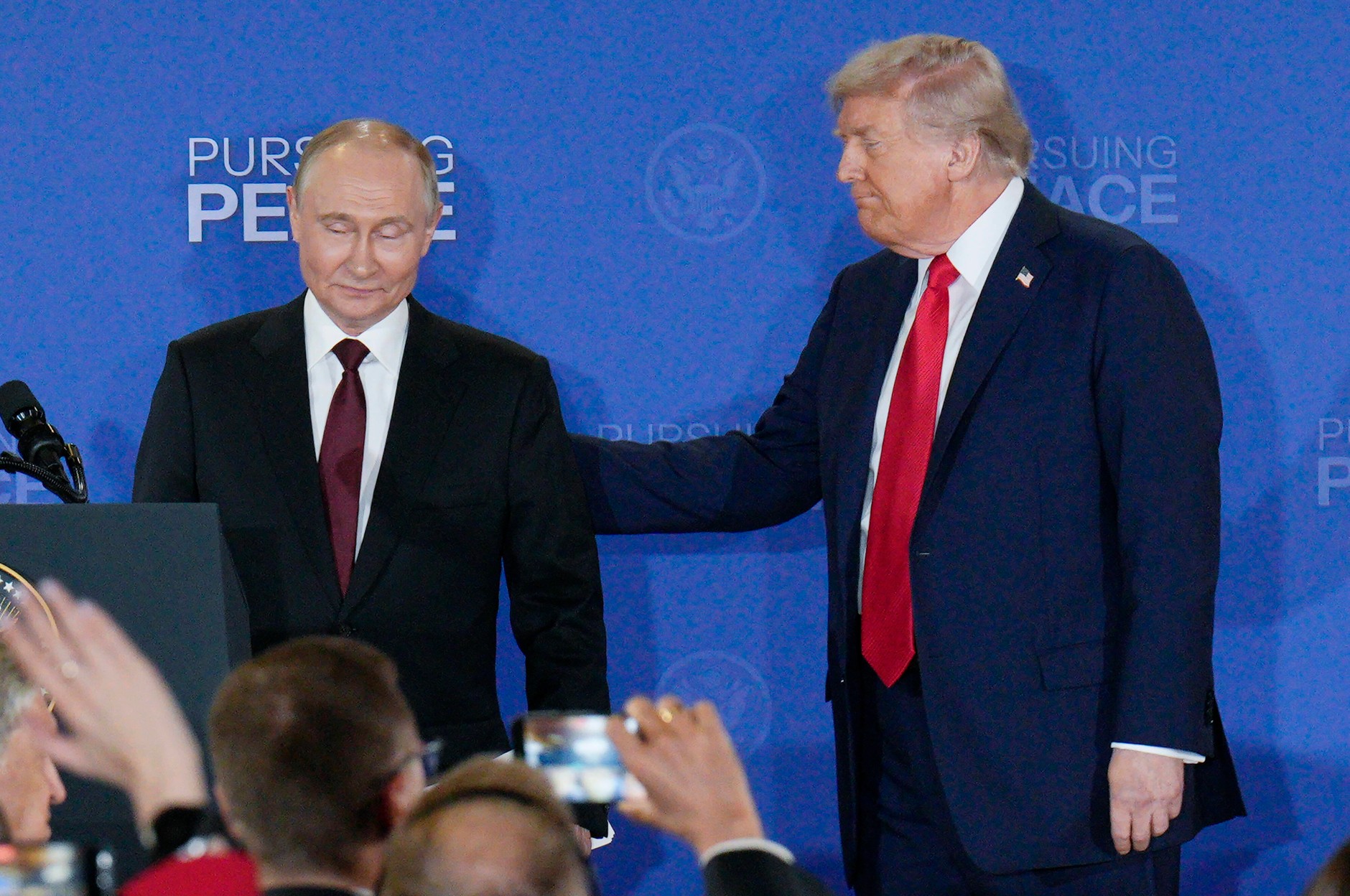
Vladimir Putin, president of Russia, and Donald Trump, president of the USA, after a work conference. Anchorage, August 15, 2025Bob Strong/UPI Photo via Newscom / PAP
Payments to wounded soldiers and families of the fallen were to be delayed or reduced, and recruitment bonuses were significantly reduced. Still these expenses are politically necessary for the Kremlinwho wants to suppress social dissatisfaction and maintain the number of troops.
“Russia has become poorer, but it has not yet hit the wall,” emphasizes a Senate adviser who analyzes Russia's economic indicators. — We assume that stronger pressure in the energy sector will reduce Russia's room for maneuver.
Legislative actions also expose growing tensions in US politics. While Congress pushes for a tougher course, the administration presses on not very specific talks with Russian partners.
It would take President Vladimir Putin to accept any ceasefire abolition of the mobilization decree in force from 2022 — which would be politically extremely risky for the Kremlin.
U.S. lawmakers believe keeping up the pressure is crucial now prevent Moscow from dragging out the negotiations in anticipation of sanctions relief and territorial benefits. “Putin is playing for time,” emphasizes one of his congressional advisers. — Every gap left is a signal to him that time is on his side.
For now, Congress hopes that tightening sanctions at sea will affect the situation on land. Will the bill prove to be a breakthrough or just another piece of legislation? This depends not so much on Thursday's committee meeting, but on whether the Trump administration actually decides to enforce the regulations.