On Monday, the Secretary General of NATO stated that Europe cannot defend itself without the help of the United States. The French government responded decisively to Mark Rutte's words.
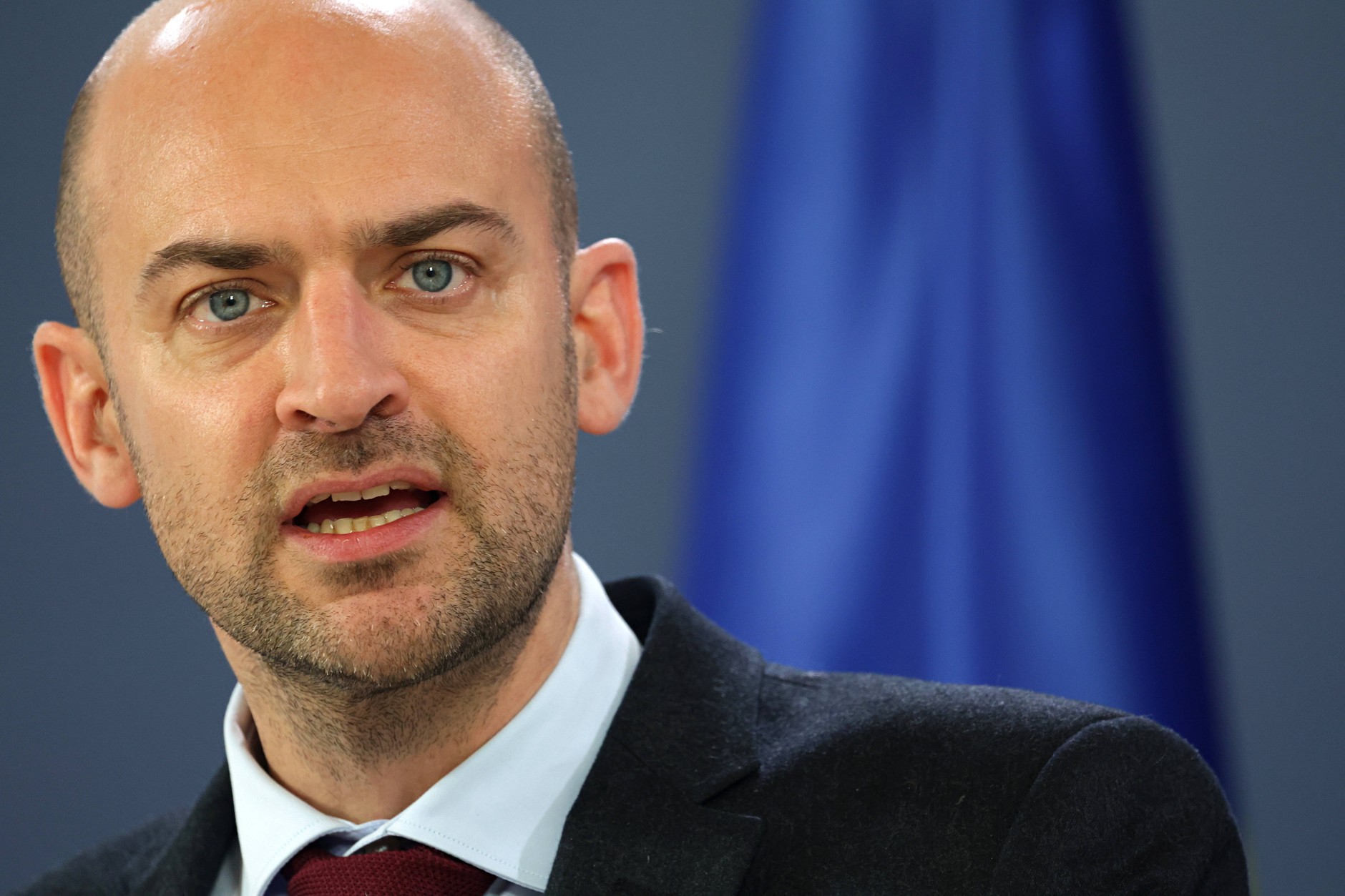
“No, dear Mark Rutte. Europeans can and must take responsibility for their own security. Even the United States agrees with this. This is the European pillar of NATO,” wrote Jean-Noel Barrot, French Minister of Foreign Affairs, on the X platform.
Jean-Noel Barrot, French Minister of Foreign and European Affairs. Belgrade, January 16, 2026EPA/ANDREJ CUKIC / PAP
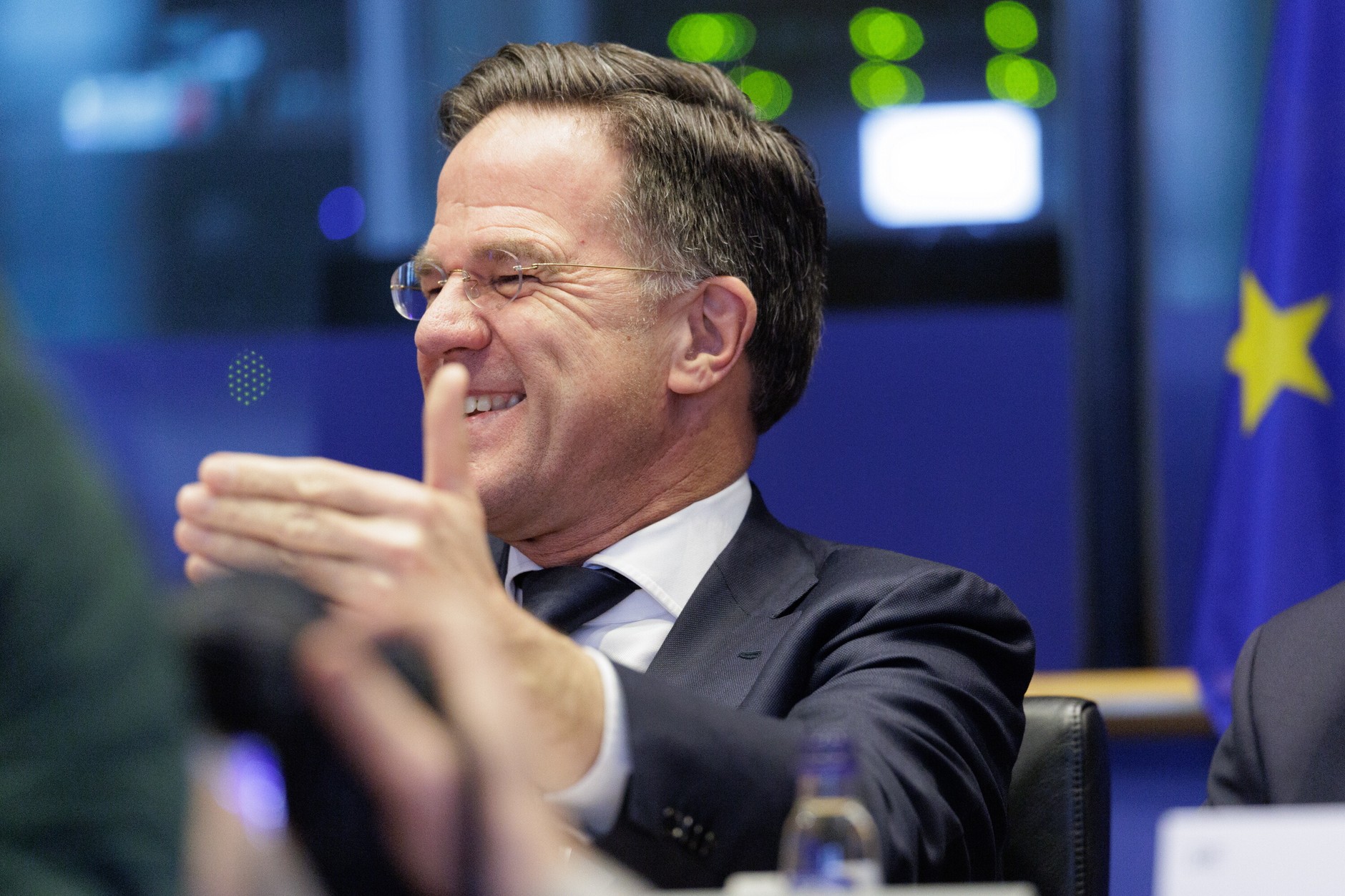
On Monday in the European Parliament, responding to a question from far-right French MEP Pierre-Romain Thionnet, Rutte said that the continent will not be able to defend itself without America's support.
Rutte urged the EU to allow Ukraine to allocate part of the upcoming €90 billion loan [ok. 380 mld zł] for Kiev to purchase weapons from the United States, despite pressure from some member states such as France, that this money be spent on military suppliers from Europe.
These comments fit into a broader context in which Rutte urges Europe to keep channels of communication open with the United Statesand the US president remained loyal to the alliance. The Secretary General argued that Washington remains “totally committed” to the collective defense of the alliance and that “the United States needs NATO.”
Mark Rutte, Secretary General of NATO, in the European Parliament. Brussels, 26 January 2026PAP/EPA/OLIVIER MATTHYS
Rutte also praised Trump for pushing all NATO countries to increase defense spending to at least 2 percent. GDP last year.
— Do you really think that Spain, Italy, Belgium and Canada would decide to increase spending from 1.5 percent up to 2 percent […] without Trump? No way, he said. He added that without the United States, defending Europe would cost a fortune.
He also distanced himself from the concept of a European army — an idea that was recently brought back into the debate by the EU Defense Commissioner, Andrius Kubilius — and stated that “the European pillar [NATO] “It's kind of an empty word.”
The article continues below the video
However, since Donald Trump returned to power, his administration has emphasized that Washington will be less involved in European security. The new US National Defense Strategy, published on Friday evening, indicates that Europeans will have to take the initiative against threats, arguing that Europe is both economically and militarily capable of defending itself against Russia.
“NATO must balance efforts between the US and Europe”
Barrot was not the only Frenchman to criticize Rutte's statement. Muriel Domenach, former French ambassador to NATO, wrote on Platform X: “With all due respect to the NATO Secretary General – this is neither the right question, […] nor the correct answer: threatening Europe's weakness in order to obtain US guarantees is an outdated approach and sends the wrong signal to Russia“.
Without directly referring to Rutte's words, French Armed Forces Minister Catherine Vautrin said on radio that “what we see today is the need for a European pillar of NATO”.
The idea of Europeans being militarily stronger within the alliance was first proposed by France a few years ago, and today it is also supported by Germany and other countries.
MEP Nathalie Loiseau, a former French minister who sits on the committee where Rutte made controversial remarks, echoed Barrot's criticism: “It was a scandalous moment.” Rutte thinks being rude to Europeans will appeal to Trump. We don't need Trump followers. NATO must balance efforts between the US and Europe.
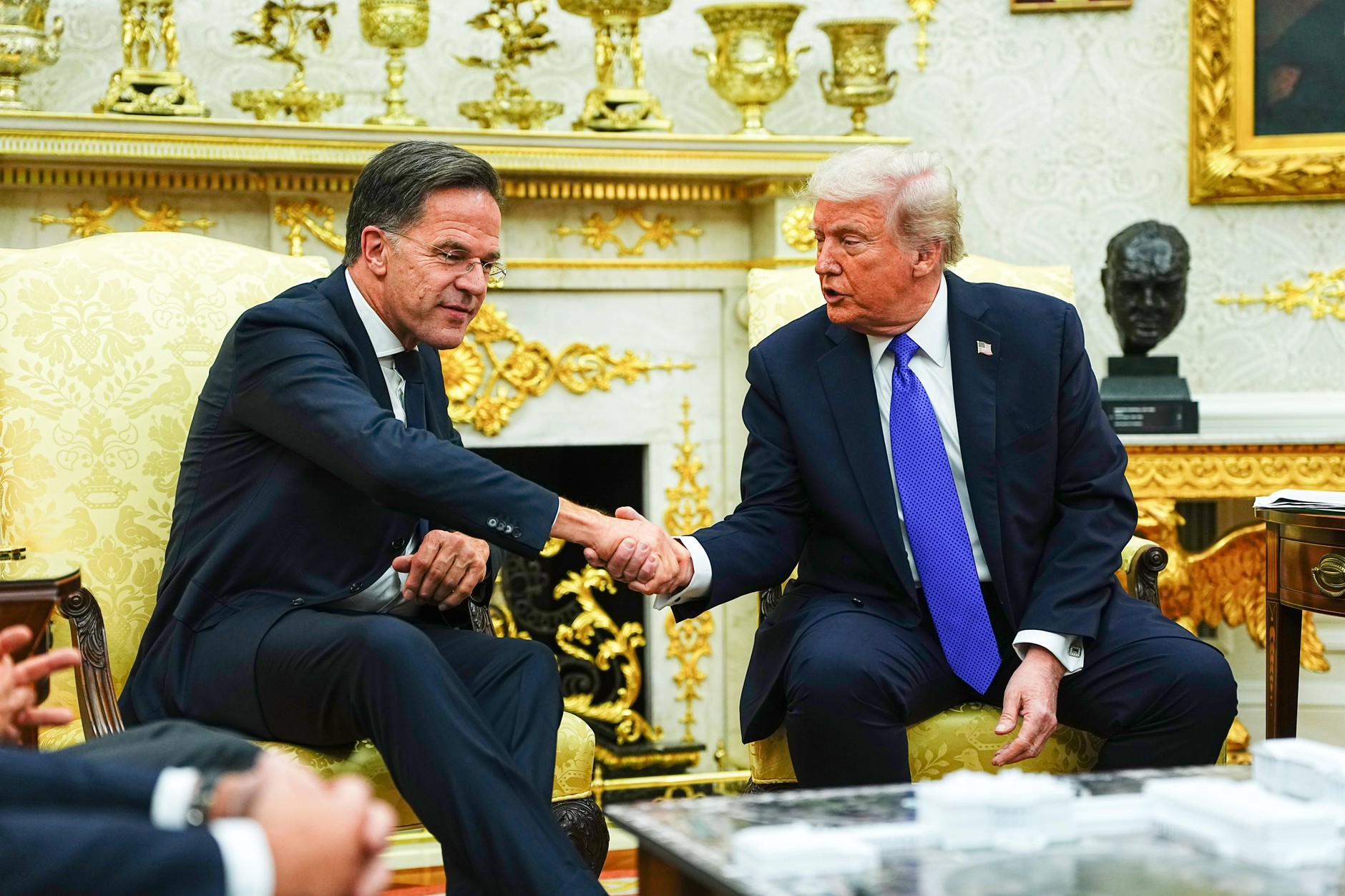
Mark Rutte, Secretary General of NATO, and Donald Trump, President of the United States, in the Oval Office. Washington, October 22, 2025Aaron Schwartz / Pool via CNP/AdMedia / PAP
Rutte's words also contradicted the assessment of Finnish President Alexander Stubb, who said at last week's summit in Davos that Europeans were able to defend themselves.
I’m Ashley Davis as an editor, I’m committed to upholding the highest standards of integrity and accuracy in every piece we publish. My work is driven by curiosity, a passion for truth, and a belief that journalism plays a crucial role in shaping public discourse. I strive to tell stories that not only inform but also inspire action and conversation.