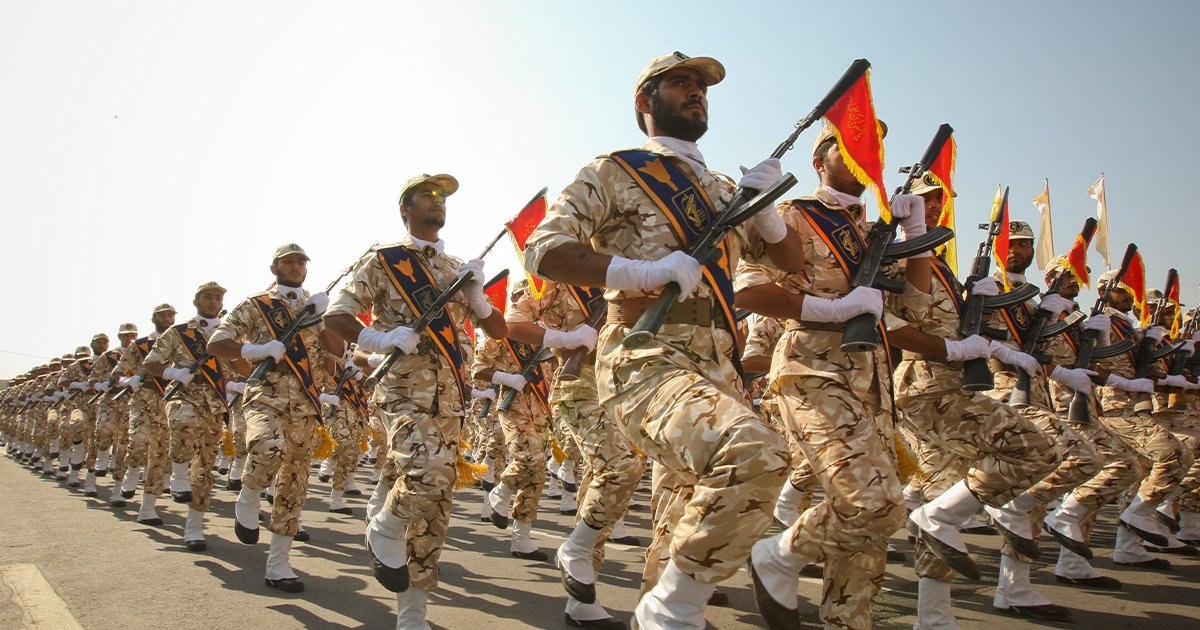
Russian sergeant seriously wounded, sent to the front in a wheelchair. Inhuman practices in Putin's army


A shocking case in the Russian military raises serious questions about sending wounded or disabled servicemen to active conflict zones in Ukraine. 46-year-old sergeant Roman Bairamov, who was seriously injured in the pelvis and legs in November 2025, was sent back to the front in December, although he was immobilized in a wheelchair, the Realitatea Siberiei portal reports.
PHOTO: Shutterstock
Medical documents show that Bairamov had been declared temporarily unfit for military service, category “G”. However, he was discharged before the deadline and sent directly to the front line, without the possibility of moving on his own. His family kept copies of the medical records because the originals were withheld by authorities and the sergeant's phone was confiscated.
According to relatives, Bairamov enlisted in the army under pressure.
“He was threatened with prison if he didn't sign the contract with the Ministry of Defense. It wasn't patriotism, it was desperation. He had personal and administrative problems, he couldn't get a decent job anywhere.” said Alina, a close relative.
After he was sent to the front, the family's contact with Bairamov was completely lost. “His number has been blocked and his condition is unknown. How can a wheelchair user survive in an active conflict zone? He won't, and his death won't improve their reporting.” adds the family.
Similar cases and recurring practices
This case is not isolated. In January 2026, a video posted on social media shows several wounded soldiers, including one in a wheelchair, being sent to the front line despite their physical condition. Soldier Shota Margvelasvili tells: “What good are these Kalashnikovs if we can't even walk? Our command is sending us to our deaths. Some of us have broken arms, some shrapnel in our bodies.”
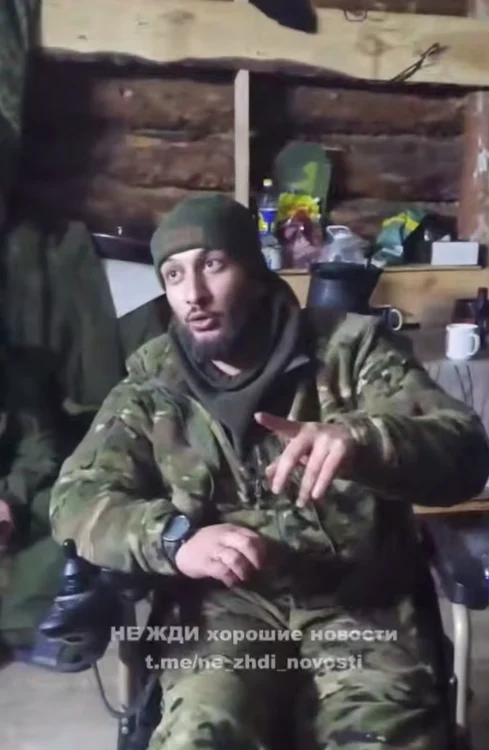
Soldier Shota Margvelasvili. PHOTO: Telegram
According to the soldiers in the video, most of them had the category “B” red-stamped, which made them unfit for combat, but they were forced to participate in missions. These practices have also been criticized by human rights organizations.
Alexei Komlev, a lawyer supporting the refusing soldiers, said: “These people are of no use at the front and are left to fend for themselves. It's all about reporting to the higher ups.”
Similar cases were also reported in 2025, when videos showed soldiers with severe disabilities – some without arms or legs, others on crutches – sent to the front line despite medical documents prohibiting them from participating in combat.
Investigations by Reality of Siberia show that disabled Russian veterans face significant delays in getting prosthetics and medical help, despite official statements of progress in this area. In many cases, seriously injured servicemen are forced to fight to keep the military costs down and maintain “cannon fodder” available for command statistical reports.