The intention to purchase electric cars has fallen worldwide, and most buyers are switching back to internal combustion engines and reevaluating electric vehicle ownership, according to a global study that analyzes the main car markets, including Romania.
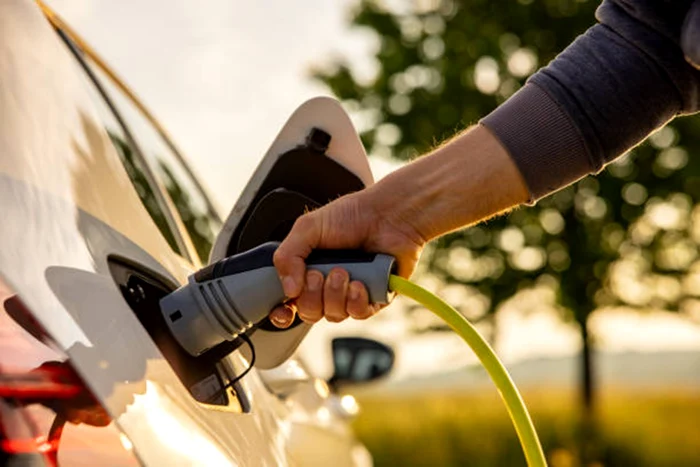
The intention to purchase electric cars has decreased worldwide. Archive photo
The EY Mobility Consumer Index (MCI) study shows a clear shift in consumer intentions globally:
• 50% of global car buyers plan to purchase an internal combustion engine vehicle in the next 24 months, up 13 percentage points from 2024
• Preference for battery electric vehicles fell to 14%, down 10 percentage points, and preference for hybrid vehicles fell five percentage points to 16%
• 51% of potential EV buyers said their plans remain unchanged, but 36% are reconsidering or postponing purchases due to geopolitical developments.
The percentage of consumers who said they want to buy an internal combustion engine vehicle increased by 12 points in the Americas region, by 11 points in Europe and by 10 points in APAC, while the intention to purchase a battery electric vehicle decreased in all major markets. Policy changes, including the elimination of tax credits for electric vehicles in the US and the adjustment of emissions targets, are shaping these trends. At the same time, major automakers are shifting their focus to hybrid and internal combustion vehicle portfolios and tempering electric vehicle programs in response to changing demand.
How is it in Romania?
In Romania, “electrified” cars, namely electric ones (which can be charged from an external source of electricity – BEV and PHEV), as well as mild-hybrid and full hybrid ones (which also have electric propulsion without charging from an external source of electricity) held, in December 2025, a market share of 56.5%, over the share held by petrol and diesel engines.
According to APIA, fully electric cars had a 6.4% share of the market, and plug-in hybrids, 8.2%.
In 2025, the top three best-selling 100% electric cars are: Dacia Spring – with 1,596 units (down 51% compared to the previous year), Hyundai Kona (618 units) and Tesla Model 3 – with 604 units.
In the segment of Plug-In cars, the first three places are ranked, in order: Ford Kuga – with 845 units (+42.5%, from one year to another), Volkswagen Tiguan (769 units) and Hyundai Tucson (719).
Also, hybrid cars, without recharging from external sources, have Toyota Corolla in first place – with 4,442 units and an increase of 35.4% compared to the previous year, followed by Dacia Duster, with 4,097 units and Toyota Yaris Cross (2,866).
At the same time, in the category of mild hybrid cars, the first position is occupied by Dacia Duster, with 6,823 units, followed by Ford Puma (1,691) and Skoda Octavia (1,519).
What lowers consumer confidence globally
Globally, range concerns remain one of the main impediments to consumers choosing internal combustion engines over electric vehicles:
• 29% indicated fears related to autonomy as the main reason for concern
• 28% highlighted the lack of charging infrastructure
• 28% mentioned high battery replacement costs.
Current owners of battery electric vehicles remain concerned about range (32%), while first-time buyers of such vehicles focus on battery replacement costs (37%). Dissatisfaction with charging persists, with consumers particularly concerned about finding charging stations (39%), long waiting times (37%) and high charging costs (32%).
One in three potential battery electric vehicle buyers (33%) said they would participate in the services “the network vehicle”, feeding the grid with electricity when needed, which underlines the interest in solutions that improve the economy and reliability of this type of vehicle.
Consumers are looking for practical value
Consumers are increasingly considering connected technologies in their vehicle choices, but their priorities remain clearly defined. Services related to safety, security, navigation and maintenance are at the top of the desirability to use and desirability to purchase, ahead of those related to comfort, entertainment or higher levels of autonomy. Almost 4 in 10 respondents (39%) identified the high cost of connected services as an impediment, and 6 in 10 (60%) said they did not mind lower levels of automation in their cars.
The degree of acceptance of advanced autonomy features remains limited. Only 26% of consumers are willing to use a vehicle with at least level 3 autonomy, while the risk of accidents (60%), technological failures (51%) and loss of control (50%) remain the main concerns.
Despite the increase in digital activity, dealerships continue to play a decisive role in the purchase of vehicles. Four in ten buyers (41%) prefer to complete the purchase in person, down from 61% in 2024, but dealerships are still the main channel. Buyers of cars with internal combustion engines (32%) are slightly more inclined to online channels than buyers of electric vehicles (28%). Electric vehicle buyers in particular continue to prefer direct interaction due to the need for guidance on charging, battery life and new technology features.