Winter 2025–2026 and heat pumps. Users are asking for horror bills themselves

The key issue when creating your own heating system, regardless of whether it is based on a heat pump or a pellet or gas boiler, is selecting the appropriate device for the energy needs of a given building. Here we take into account not only the square footage, but also the condition of thermal insulation and what heat receivers are used (radiators, underfloor heating, etc.).
However, even a well-selected device may not operate at full capacity, even for a short time assembly errors or those made by users themselves.
Read also in BUSINESS INSIDER
In the case of furnaces and boilers that have been in Poland for decades, household members have dealt with most of the problems themselves over the years, and others have learned to live with them. — such as soot in chimney flues, which significantly increases the risk of fire.
Heat pump in winter
|
Snapshot freddy / Shutterstock
Mistakes on the part of heat pump users also happen, however it is worth emphasizing that it is most often not the fault of technology, but, for example, negligence or decisions made contrary to the manufacturer's/installer's recommendations.
The heat pump doesn't like snow
Heat pumps are considered an almost maintenance-free solution, and indeed they are for most of the year, they only require occasional checking in the settings in the application or directly on the thermostat. Compared to solid fuel boilers, which require the removal of ash or other impurities, they are much more convenient in everyday use.
See also: Poles are shaking their heads. Record electricity bills for heat pump owners
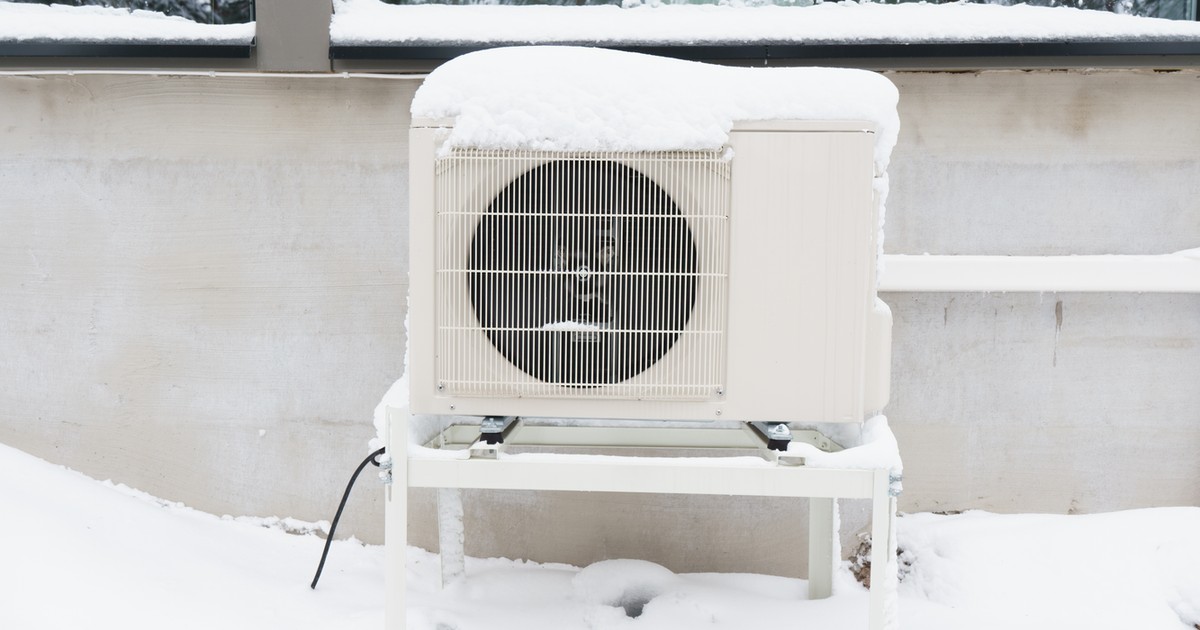
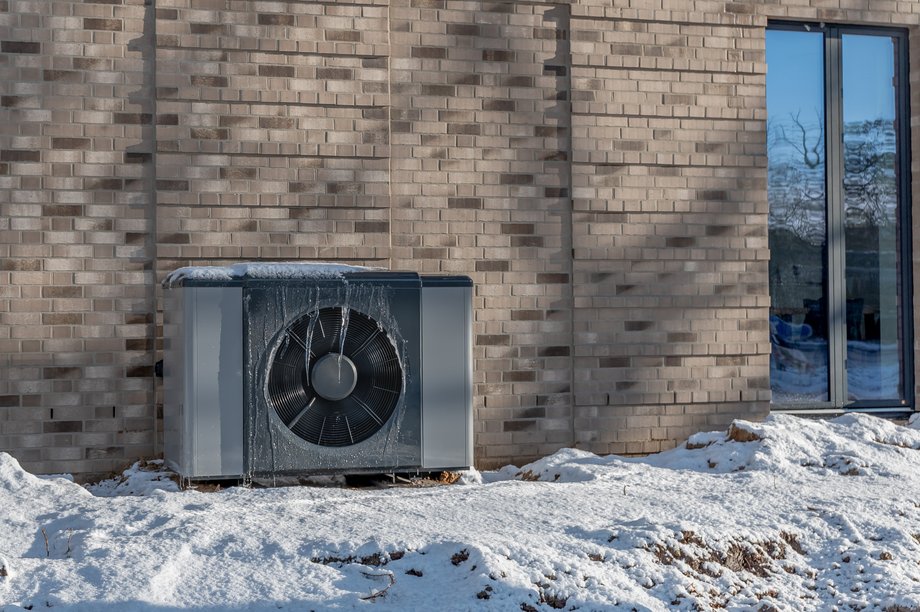
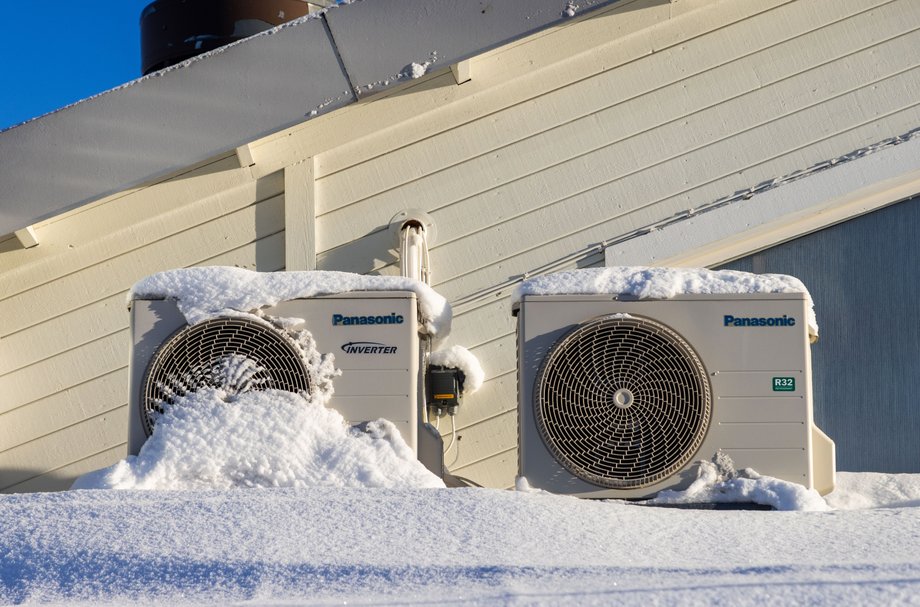
In winter, however, there is an additional obligation – regular removal of snow from the outdoor unitas its accumulation may restrict air flow and reduce the efficiency of the device. A soft brush is enough to clean the housing, but it is also worth clearing snow from the area around the pump and the path leading to it. This will make the work of the service technician easier if a failure occurs.
Heat pump in winter
|
Jeppe Gustafsson / Shutterstock
Heat pump at night. Do not change the temperature
It is a common practice among users of heat pumps and other heating systems lowering the temperature at night or turning off the device when the house is empty for several hours. Although it may seem like a way to save money, in fact it leads to the building cooling down and the need for intensive heating later. What's worse, such solutions are sometimes suggested even by factory schedules through the “day” and “night” settings.
Be sure to check:
- Are photovoltaics with a heat pump still profitable? You can test it
In the case of air-to-water heat pumps, popular in Poland, maintaining a constant temperature around the clock is much better. Cooling down the house, especially in frosty weather, makes the device work less effectivelyand increasing the temperature in the morning does not bring a quick improvement in thermal comfort. In poorly insulated buildings or with a poorly selected pump, such fluctuations may even increase energy consumption and lead to high bills.
Heating curve, or what to do to ensure that the heat pump operates optimally
Regulation of the heat pump operation largely depends on the proper setting of the heating curve, which determines the water temperature in the installation depending on external conditions. A well-chosen curve allows you to maintain stable conditions at home with the lowest possible energy consumption. Although the installer sets it after installing the device, he is not able to perfectly predict how the heat pump will react in a specific building and in combination with a given heating installation.
Some of the owners independently corrects the curve in subsequent heating seasonsusing guides on the Internet or setting parameters “by eye”. However, many people do not realize that such adjustment is possible and should be controlled by the service. Because not all companies do this, it's a good idea to ask for the settings to be checked during your annual inspection — especially after the first winter. This is a small action that can significantly improve the efficiency of the pump and reduce the costs of heating or hot water preparation.
Heater in the heat pump. Users turn it off, which is a mistake
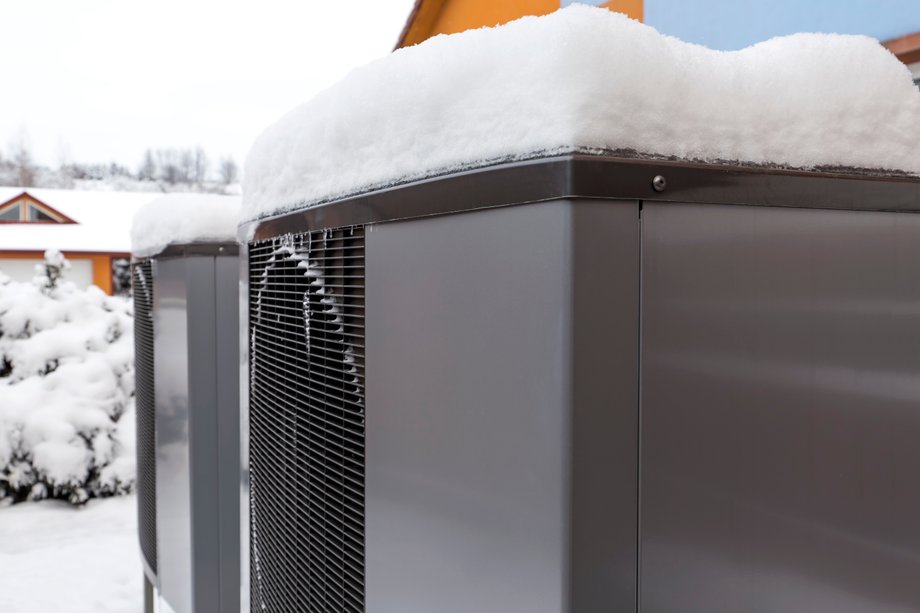
A heat pump boasts high efficiency and if the unit has been well selected to meet the energy needs of the house, from one 1 kW of electricity we obtain from 3 to 4 kW of heat. To maintain such efficiency in winter conditions at very low temperatures (e.g. minus 15-20 degrees C), a heater or a system of heaters is used to heat the air sucked in from outside, acting as a support for the heating system.
It is worth emphasizing that the contribution of the heater remains negligible — during mild winters, it works only for a dozen or so hours a year, and in modern, well-insulated buildings, made to the WT 2021 standard or better, it often does not start at all.
Heat pump in winter
|
Radu Sebastian / Shutterstock
The heater only serves a supporting function, though is sometimes wrongly presented as evidence of the ineffectiveness of heat pumps. Critics of renewable energy sources claim that since the heater operates in a 1:1 system, it is responsible for heating. In fact, in a properly designed installation, its contribution is marginal throughout the heating season, however many people decide to turn it off anyway.
Read also:
- Lower bills are tempting, but the risk is a deterrent. What stops Poles from using photovoltaics?
This is a mistake for several reasons – if we have turned off the heater, we don't know if our support system is even working. When we remember about it, e.g. in an extremely cold winter, it may turn out that the heater is not working, but we do not know what exactly is the cause of the failure. And it's worth remembering that heat pump services in autumn and winter have a lot of orders and may not fulfill our request immediately. In extreme cases, the user may forget that he turned off the heater and when a heavier winter comes, the theoretically good pump will not work at full efficiency, ensuring less thermal comfort. However, the fault will lie with the user, not the technology.
Regular services and inspections of heat pumps
Manufacturers emphasize that heat pumps can operate for up to 25 years and do not require maintenance for most of the year, but this does not exempt users from the obligation to perform annual inspections. During such an inspection, the following are checked, among others: compressor operating parameters, filter condition, system pressures, electrical installation and any errors stored in the controller.
An annual inspection costs on average approximately PLN 400, sometimes with an additional travel fee. It is worth doing it before the heating season to avoid queues for service and to be sure that the device will cope with more difficult winter conditions. Neglect of control may result in an undetected fault that will lead to decreased performance or failure during peak season — as with any other heating system.