We encourage you to subscribe to the “Kulisy Spraw” channel on YouTube. It can be done here.
Mateusz Baczyński's guest in the “Kulisy Spraw” program was Sylwia Czubkowska – journalist, co-host of the “Techstorie” podcast and author of the best-selling book “God of Tech. How big technology companies are taking over Poland and the world.”
— These are strategies at the intersection of law, politics, social and psychological moods and, of course, technology. But it's not just about showering money. Although money is undoubtedly also very important here. Suffice it to say that the value of the nine largest technology companies, according to stock exchange valuations, is today USD 25 trillion. – says Sylwia Czubkowska.
— This is huge capital accumulated in the largest companies and their ecosystem. However, locally they do not have to spend so much on lobbying. At least from their perspective. Because on the one hand, we have valuations in the trillions, and on the other hand, these companies only need USD 7-10 million to lobby in the European Union. annually. And this is more than any pharmaceutical, energy or agricultural company spends, he adds.
– However, it is no longer just a matter of money, but also of the narrative built around technologies, where our optimistic moods around them have been redirected to supporting very specific decisions that mainly serve the interests of specific companies – he points out.
Below you will read the rest of the text and watch the video version of the conversation:
The journalist gives the example of European legal regulations that introduce certain control mechanisms towards technology giants. Whenever such concepts are undertaken, a narrative about “restricting freedom of speech” immediately appears on digital platforms and reaches many users. And they, in turn, try to put pressure on political decision-makers to abandon such regulations.
The article continues below the video
— This is the huge difference between big tech and large corporations from previous years, such as Big Pharma, Big Tobacco, or Big Oil. They also had huge accumulation of capital, great political influence, and strong lobbying. But their clients were not their lobbyists. Even smokers did not come out to protest in defense of cigarette producers when they were ordered to put drastic warnings on packages, explains Czubkowska.
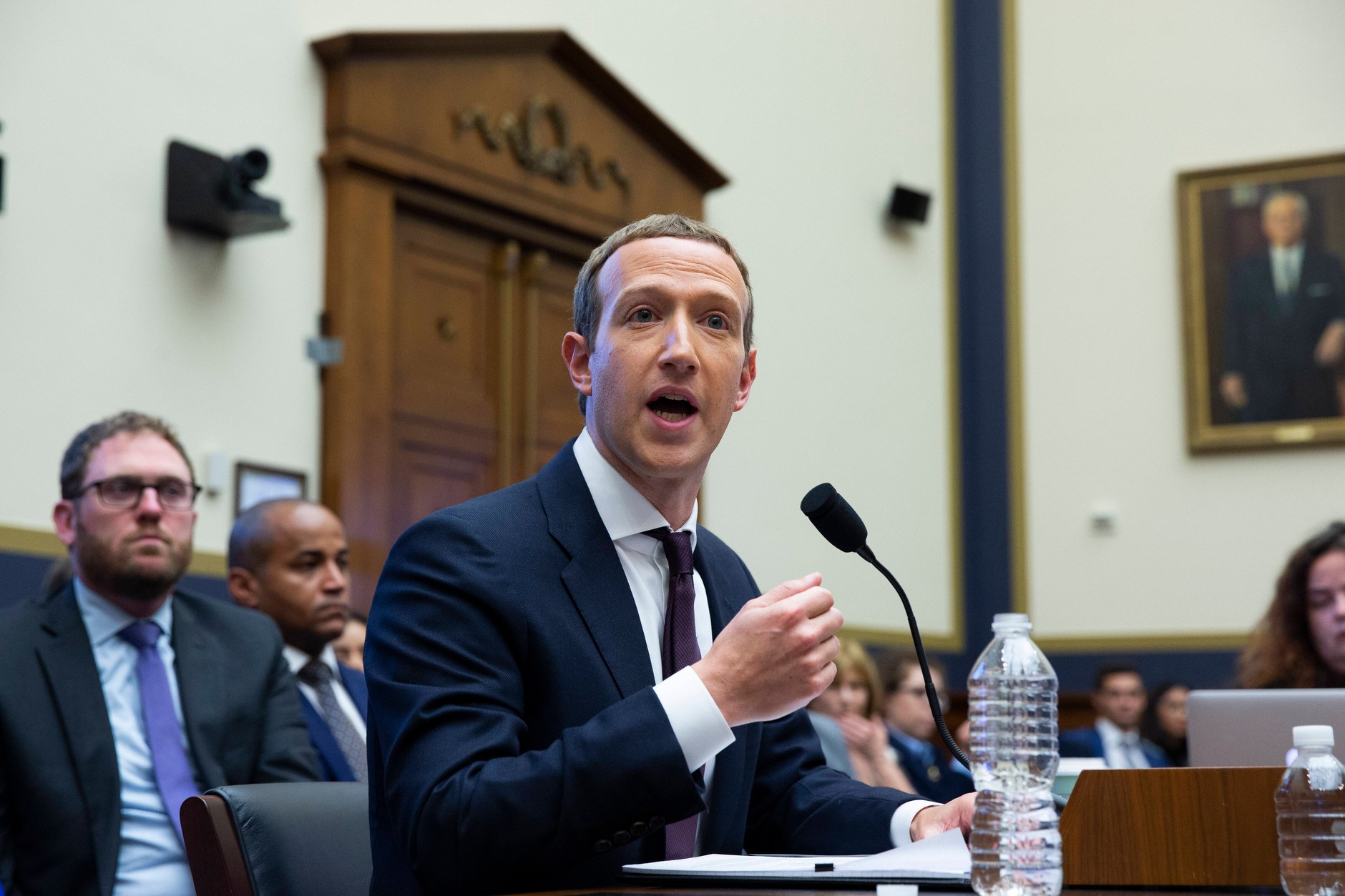
Facebook Chairman and CEO Mark Zuckerberg testifies in the House of RepresentativesEPA/PAP
— And Tik Tok users go out and protest in the United States, because this consumer base has become one of the strongest debt collectors in building the position of these corporations. And it's a bit like they hold us tightly by our brains: our beliefs, ambitions and dreams. Moreover, they have grounds for this, because they efficiently analyze what values are most important in specific communities and nations. They know what to refer to, he emphasizes.
— Please note that algorithms no longer show us our immediate surroundings, i.e. our loved ones, and do not show content in chronological order, only what can attract our attention for a longer time. That is, emotional content that is extremely consistent with our views, or that is extremely inconsistent. The idea is to either argue or caress someone, he explains.
“Musk does not hide his political ambitions”
Sylwia Czubkowska also admits that technology giants also try to influence elections in democratic countries.
— It doesn't have to be such an influence that any particular party reaches 40 or 50 percent. votes in the elections. We see that it often comes down to a certain amount of attention, i.e., let's say 5%. votes and transferring political power to a specific side, the possibility of building a coalition, or simply introducing chaos and increasing political polarization – he argues.
— In this context, we often focus on Platform X and Elon Musk, because he does not hide his political ambitions. This was visible, for example, in his support for the AfD party in Germany, his specific support for Donald Trump in the last election campaign, or even the very idea of buying Twitter and transforming it into X, where algorithms clearly boost political content, especially right-wing content, he explains.
— Of course, this is difficult to prove because we do not have access to specific data. We can draw certain conclusions from such point-based research conducted by individual non-governmental or journalistic organizations. However, this is all rudimentary information. While the media is able to control political power, controlling corporations is much more difficult because they are not obliged to any transparency, he emphasizes.
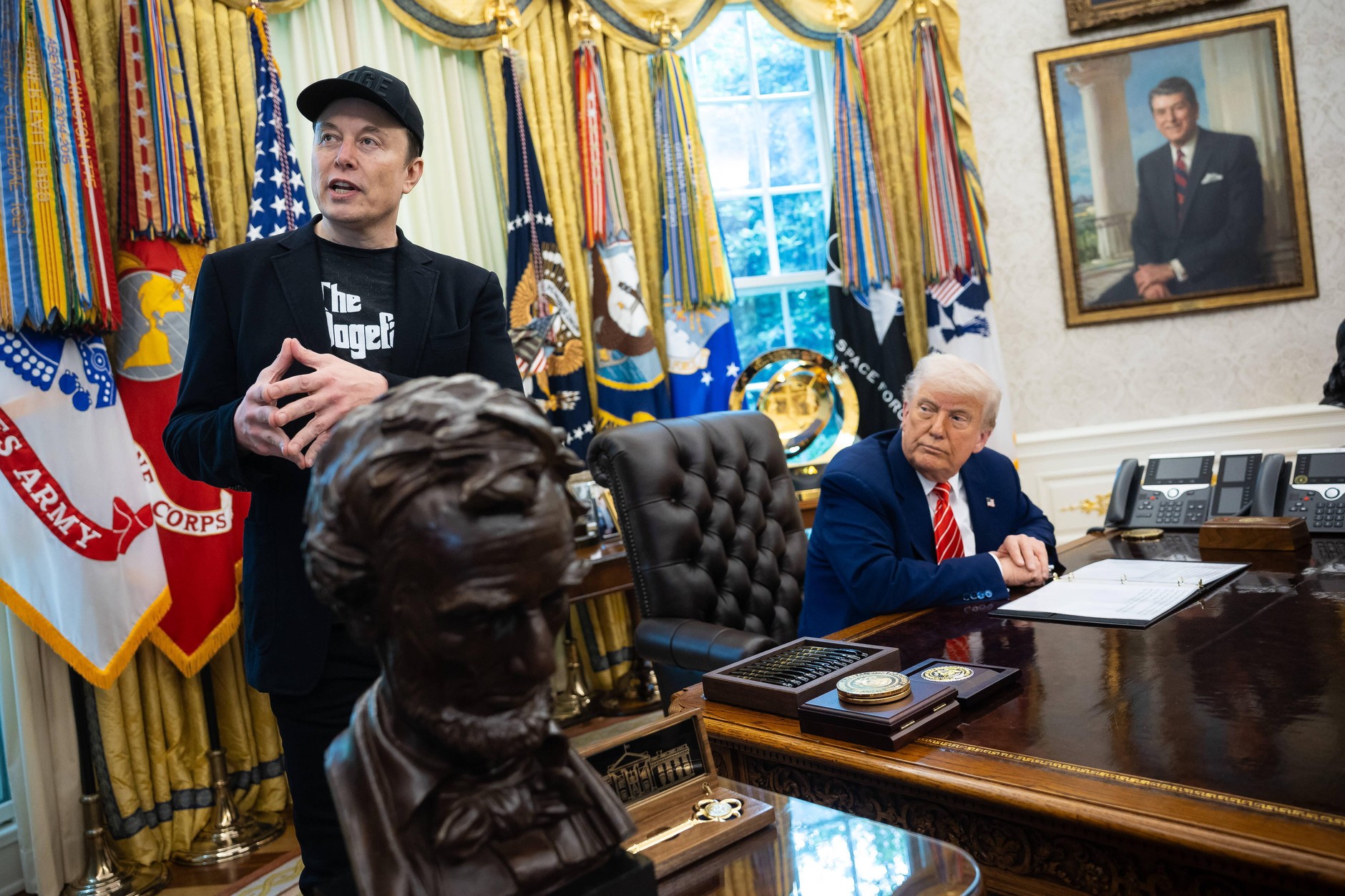
Elon Musk and Donald TrumpNewscom / PAP
The second meaning of the dispute over Greenland
According to the journalist, the current dispute over Greenland may have a deeper meaning, which is also related to technology corporations.
— Greenland began to appear in Donald Trump's statements several months ago, which led to a closer look at the background of this interest, he explains.
— In addition to the security aspects that are talked about a lot today, there are two more issues related to technology. One of them is more obvious, because Greenland has deposits of rare earth metals, which are extremely valuable in the era of technological revolution, especially related to artificial intelligence. Therefore, taking over these deposits, even if they are difficult to access, may be an important argument for the US, he adds.
— The second issue is one that a few years ago I would have considered a fairy tale, but now, during Trump's presidency, it is possible. Namely, this is the concept of Freedom Cities, i.e. startup cities that would be designed from scratch and would be an alternative to ineffective state institutions in democratic countries. And such a Freedom City would be built in Greenland, he explains.
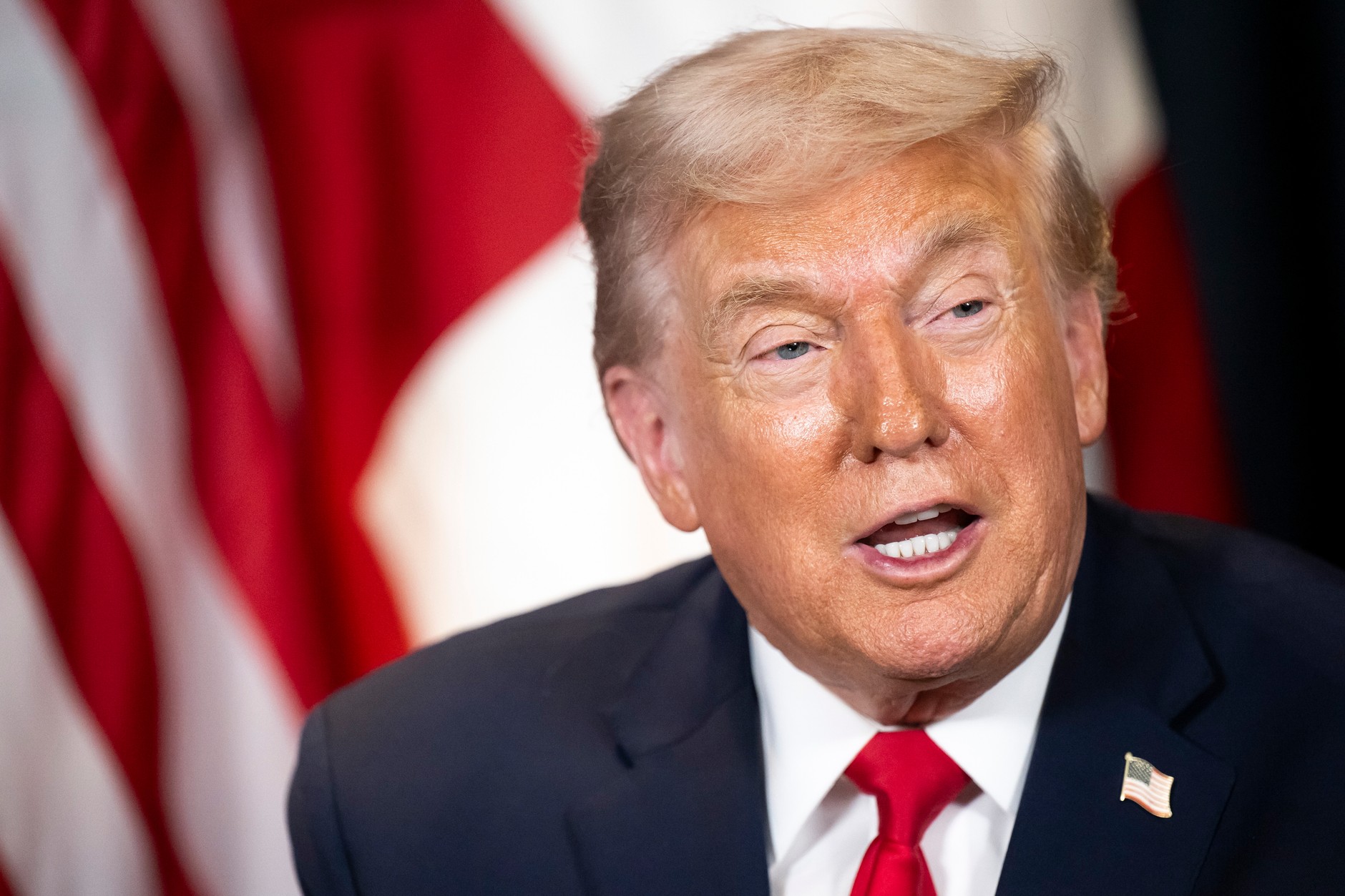
Donald TrumpPAP/EPA/LAURENT GILLIERON / POOL
— Of course, these would be very technologically advanced cities, with the Internet of Things, autonomous vehicles, or the infrastructure needed to conquer space, which would also be a nod to Elon Musk. But above all, these Freedom Cities would be libertarian, that is, cut off from artificially imposed legal regulations and such shackles. And the current US ambassador to Denmark is close to this concept that is circulating around Donald Trump's administration, he notes.
“These people can influence Trump.”
In this context – as Sylwia Czubkowska claims – two other influential figures should also be mentioned.
— The first one is Peter Thiel, co-founder of Palantir Technologies, which deals with data analysis of services. Already in 2009, he gave such speeches in which he claimed that modern democracy is so backward that it does not understand the principles of economic freedom and proposed an escape from politics towards conquering new lands in space and on the seas – he reports.
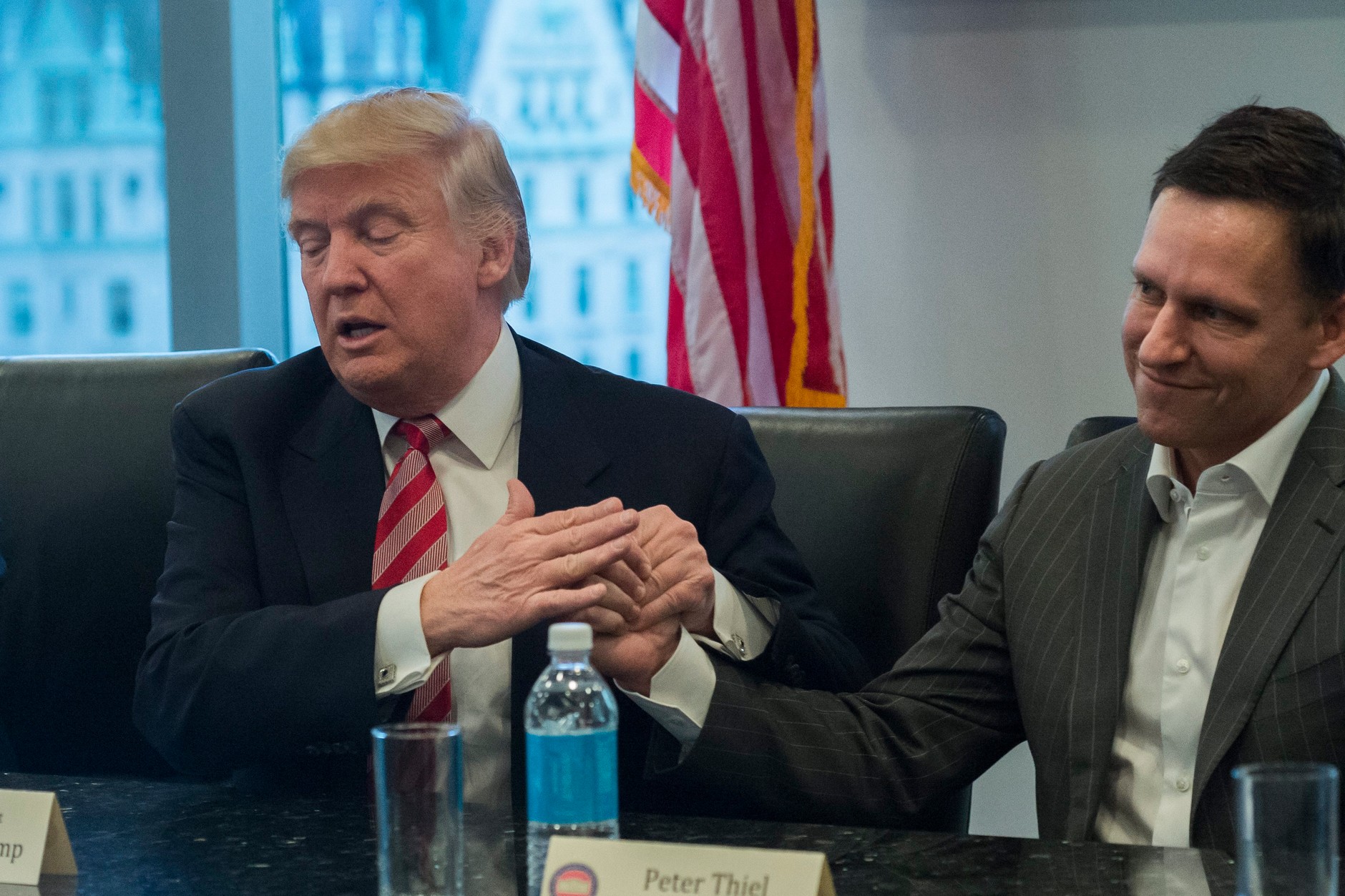
Donald Trump and Peter ThielEPA/PAP
— The second figure is Marc Andreessen, co-founder of the large investment fund Andreessen Horowitz. This is one of the most influential funds in Silicon Valley, also involved in Donald Trump's campaign. Andreessen and several other investors associated with several investment funds (one of them founded by Friedman's son) are trying to build such Freedom Cities around the world. One of them is being built in Nicaragua. Things are different for them, because it is not an easy matter to build a city. Especially since we are dealing here with building a new political, ideological and technological fabric, he explains.
— And this idea is starting to circulate around Greenland. I don't know if Greenlanders are ready for this. I don't know if we are even ready for this wonderful technological-utopian world. Well, part of Silicon Valley is ready for it, and we have to adapt, says the journalist ironically.
I’m Ashley Davis as an editor, I’m committed to upholding the highest standards of integrity and accuracy in every piece we publish. My work is driven by curiosity, a passion for truth, and a belief that journalism plays a crucial role in shaping public discourse. I strive to tell stories that not only inform but also inspire action and conversation.