Antarctica's riches under the ice. Therefore, no country will reach for gold for a long time

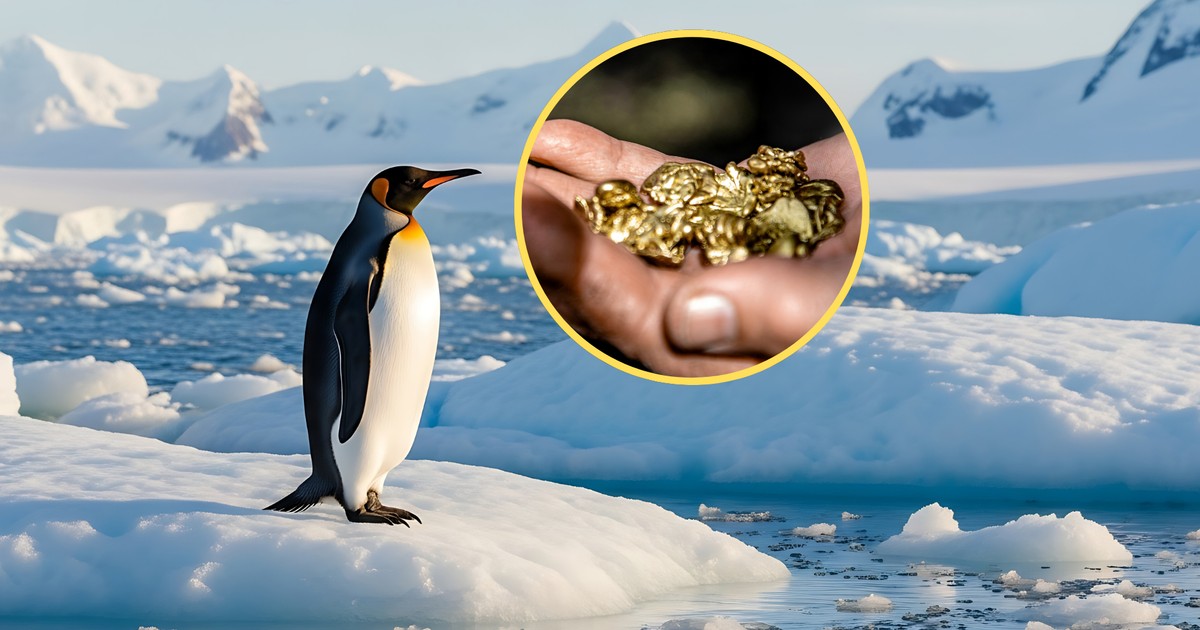
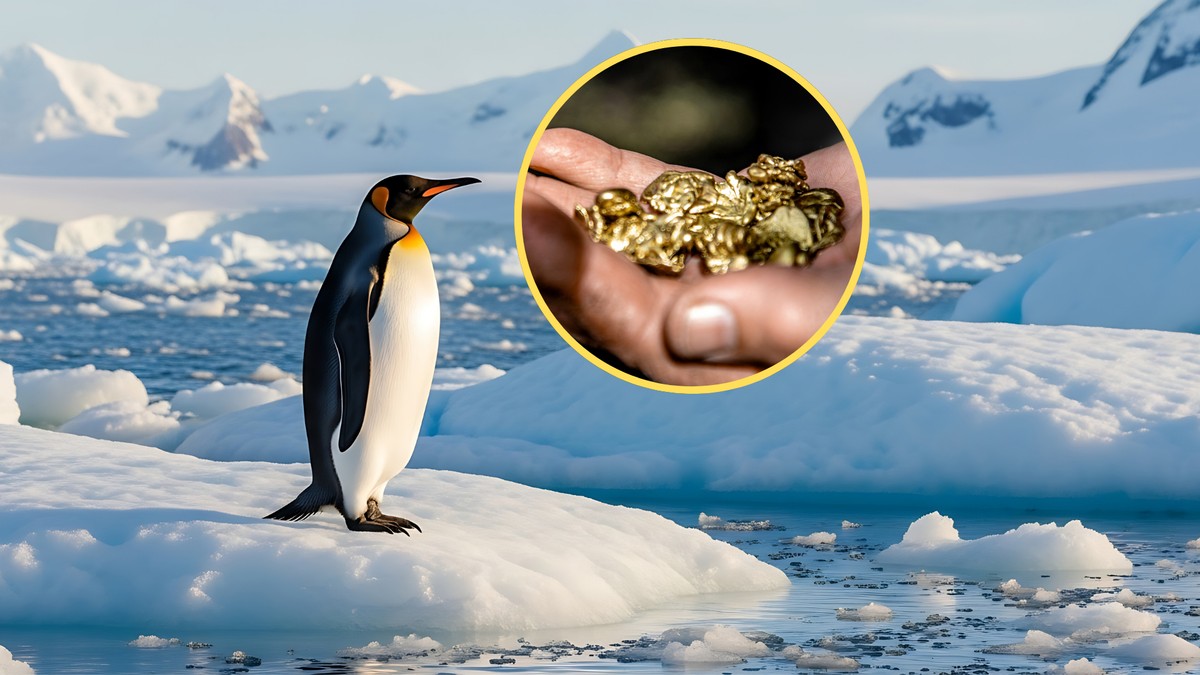
US President Donald Trump is seeking the US to take over Greenland, which belongs to Denmark. Taking over this area would include, among other things: secure American interests in the Arctic. However, few people remember that its southern “sister” – Antarctica – is rich in various deposits, including gold. This area has deposits including: gold, coal, nickel, platinum and rare earth metals.
As the National Museum of Australia website reminds, gold in Antarctica was discovered by Australian geologist Douglas Mawson during an expedition in 1911–1914. The only currently known area where the presence of gold has been confirmed is the Dorn deposit. It is unclear how large Antarctic gold reserves may be.
American geologists in the report “Potential Mineral Resources in Antarctica” remind that Antarctica was part of Gondwana (a prehistoric supercontinent) and could theoretically share mineral belts with Africa and Australia. Thus, the cold land may have similar gold resources to, for example, South Africa.
There is one place where the continent's abundance of gold is particularly visible. As Onet wrote, the active volcano Mount Erebus throws into the air about 80 g of microscopic gold worth about PLN 30,000 every day. zloty. However, it occurs in a highly dispersed form and is impossible to use.
- Concern in Europe after reports regarding Greenland. Another country is speaking out
What does the law say about gold mining in Antarctica?
As the Australian government reminds on the website of its mission in Antarctica, mining of any raw materials, including gold, is currently prohibited in this area. This is regulated by an international agreement signed in 1959 by 54 countries, including the USA. The Antarctic Treaty designates the region for scientific purposes and prohibits military activity on the continent.
- This is what's really at stake. Greenland's enormous mineral wealth has slipped under Europe's radar. Today, Trump uses them
International agreements are not the only obstacle to Antarctic gold exploration. Nature itself also guards these resources. According to available scientific data, approximately 98 percent Antarctica's surface is covered with thick ice. This, along with extreme temperatures and winds, poses a serious obstacle to the extraction of the valuable metal.