Brussels is preparing for a showdown that many diplomats have never even considered: a transatlantic trade conflict sparked not by steel, semiconductors or climate regulations, but by Greenland.
EU leaders are meeting on Thursday to discuss how to respond to US President Donald Trump's threat to impose wide-ranging tariffs on a group of European countries if they do not agree to the US takeover of the Arctic island, which is a self-governing territory of Denmark.
On Monday, US Treasury Secretary Scott Bessent warned European countries against responding by imposing their own tariffs.
More than trade is at stake. For Brussels, this crisis goes to the heart of sovereignty, alliance politics – and how how far Trump is willing to go in transactional diplomacy.
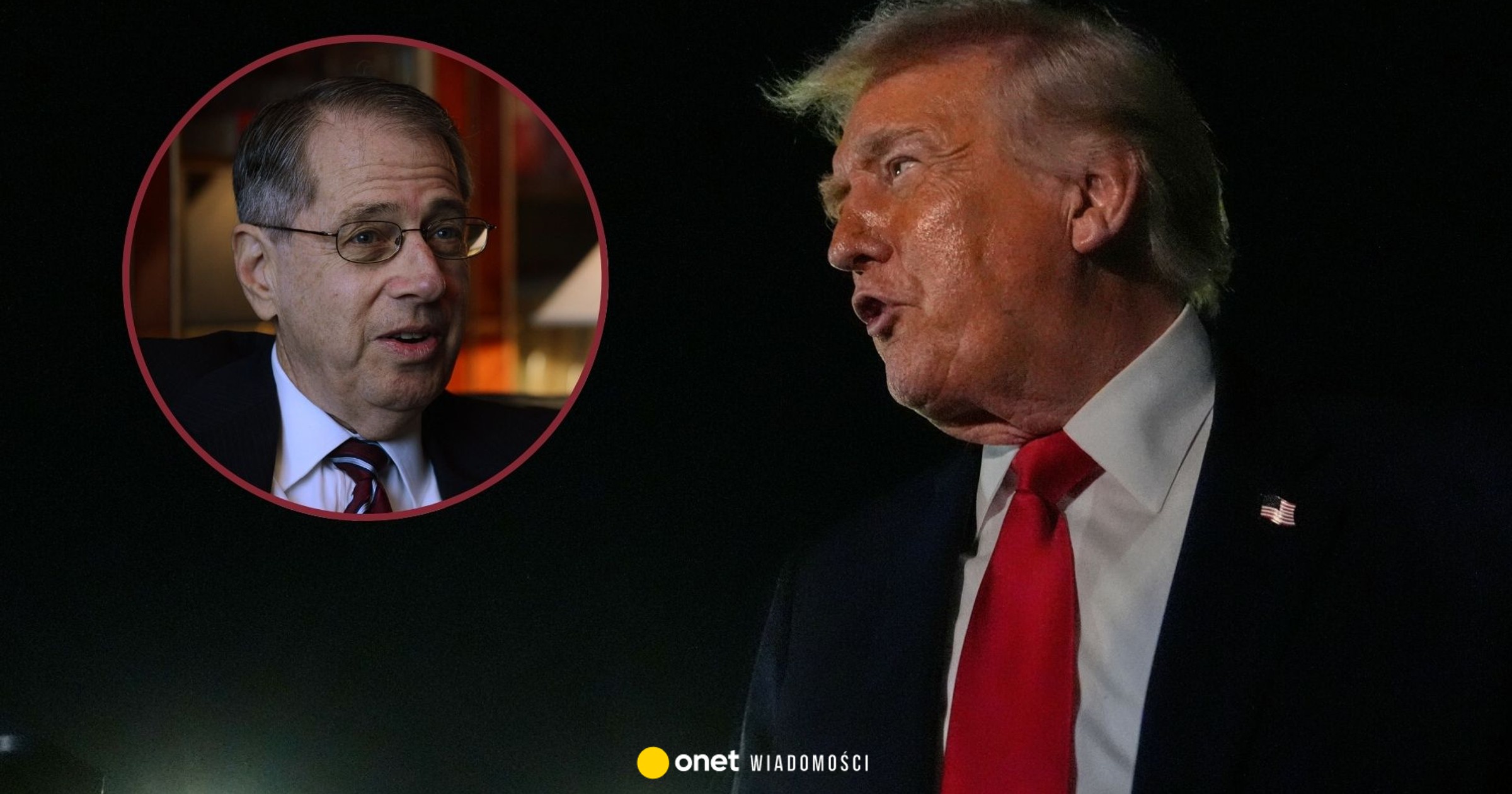
For Mark Gitenstein, former US ambassador to the EU and longtime adviser to former President Joe Biden, the idea that Washington would put pressure on Denmark in this way is not only wrong, but downright offensive.
“The idea that there will be a deal with Turnberry at this point [nieformalne porozumienie handlowe zawarte w lipcu 2025 r. między UE a USA]is absurd, Gitenstein says in an interview with the Kyiv Post, referring to the proposed framework for trade negotiations. — There is no way to change this situation at the moment. Trump must understand this and Europeans must stick together.
He used a blunt analogy:
It's as if the Chinese suddenly said they were going to take Hawaii hostage… We would have to defend Hawaii. And the EU must defend Denmark.
For Gitenstein, this issue is of particular importance considering Denmark's actions so far. — I considered the Danes to be the most ardent supporters of the United States in military and economic matters, he emphasizes. — And what we are doing to the Danes is offensive.
This sense of outrage is now echoed in European capitals. European Commission President Ursula von der Leyen told a bipartisan delegation of US lawmakers in Davos on Monday that Washington must “unambiguously respect” the sovereignty of Denmark and Greenland.
“This is of great importance for our transatlantic relations,” she wrote on X, adding that “tariffs are contrary to these common interests.”
Unrest among allies
Is Trump's Greenland move just a negotiating tactic? — This can be done in the case of real estate transactions, but not in diplomatic relations with a friend, says Gitenstein.
When asked whether the move reflected a real strategic shift in U.S. priorities, he didn't mince his words. – I don't understand why [Trump] it can't do everything it has to under the 1951 treaty, he says, referring to the long-standing U.S.-Denmark defense agreement governing Greenland. “He made no effort to explain it publicly.
Trump, however, considered Greenland crucial to US national security and argued that Washington would be better at defending the Arctic than Copenhagen.
In a message to Norwegian Prime Minister Jonas Gahr Store, Trump went even further, linking his Greenland aspirations to his bitterness at not receiving the Nobel Peace Prize. “The world will not be safe until we have complete control over Greenland,” he declared.
The rhetoric has sparked protests in Nuuk and Copenhagen, as well as concern among European leaders who see it as a direct challenge to post-war norms of borders and sovereignty.
A gift for the Kremlin
The consequences of this dispute are already reverberating beyond Europe.
Russia openly welcomes the split in transatlantic relations. Kremlin spokesman Dmitry Peskov said it was “hard to disagree” with analysts who believe Trump's quest to take over Greenland could earn him a place in history.
For Gitenstein, this is the reaction a warning signal. — I think there is such a threat, he emphasizes when asked whether the dispute could undermine the West's unity towards Moscow.
He said it was “very difficult to assess” the scale of the damage, but the stakes were clear: If Trump is serious about reaching an agreement with Russia, it cannot do this without Europeans.
So Trump must understand that we need Europeans and Europeans need us
– he adds.
The spectacle of disputes between NATO allies over Greenland is, in his opinion, “unnecessarily provocative.” — It may work well in the New York real estate market. It won't work here.
Brussels is considering retaliatory action
Behind closed doors, EU officials are debating a package of retaliatory tariffs on goods worth EUR 93 billion (PLN 393 billion). French President Emmanuel Macron is pushing for the implementation of the anti-coercion instrument, ACI. German leaders call for unity.
Several European NATO allies have already sent troops to Greenland for joint exercises as part of Denmark's Operation Arctic Endurance, a signal of solidarity and shared concern for the activities of Russia and China in the Arctic.
However, there is no consensus yet on how to activate the EU's strongest tools. — I don't think there is a consensus on the use of an anti-coercion instrument at the moment. I understand that, says Gitenstein.
However, he does not understand the logic of escalating the conflict at this time. “The Trump administration must understand the consequences of this action,” he adds.
Diplomacy under pressure
For working-level diplomats, this is a crisis is a nightmare scenario.
“I've never experienced anything like it,” Gitenstein admits, adding:
If you don't understand the importance of an alliance, I don't know how you can function.
He emphasizes that he “feels very sorry” for his successor in Brussels, and also draws attention to the enormous pressure under which von der Leyen and the President of the European Council, António Costa, are under.
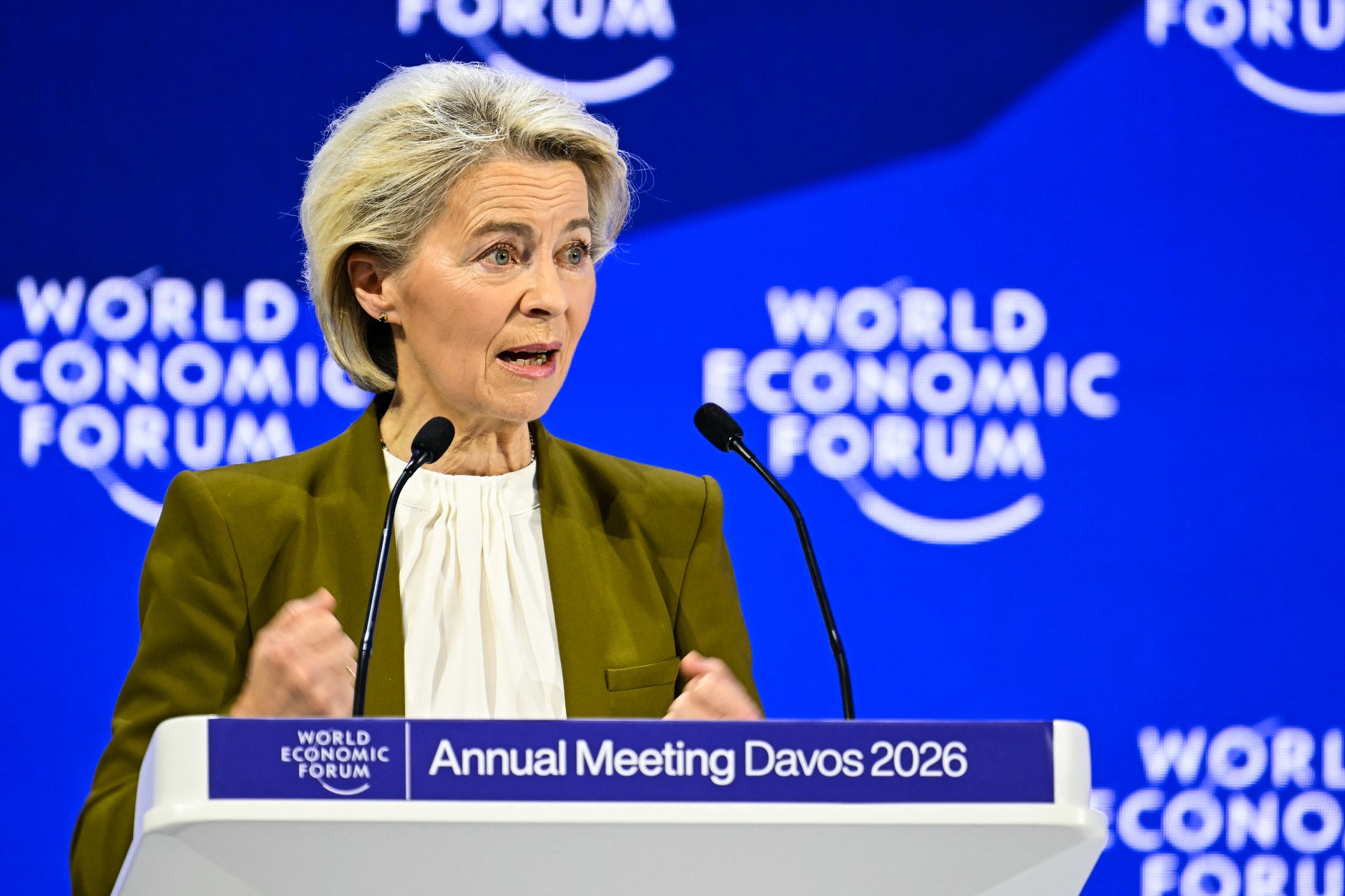
President of the European Commission Ursula von der Leyen during her speech at the annual World Economic Forum in Davos, 20 January 2026.FABRICE COFFRINI/AFP / AFP
“I have every confidence that they will all find a reasonable solution,” he says, but admits that the political situation has changed dangerously.
In the shadow of the war in Ukraine
The Greenland crisis is taking place against the backdrop of a tense situation: uncertainty about US support for Ukraine and the future of NATO.
Gitenstein warns that the fragmentation of the transatlantic front will weaken the influence on Russia. However, he also pointed to Europe's growing military role.
— They have just sent EUR 90 billion (PLN 381 billion) to Ukraine. This is not without significance, he emphasizes. — There are very competent armed forces in Europe. By the way, the most competent armed forces in Europe are the armed forces of Ukraine.
However, it clearly emphasizes that Europe cannot simply replace the United States. — It's not the same without the United States. There is no doubt about it, he says.
A dangerous precedent
The most pressing question for Brussels is how strongly to push back — and how publicly.
Von der Leyen warned that tariffs threaten shared prosperity. Chancellor Merz called for decisiveness. Macron wants revenge. Bessent says don't even think about it.
Gitenstein's advice is blunt: Europe must draw clear borders – and stick together.
— The European Union must defend Denmark, he emphasizes and adds that if Greenland becomes a bargaining chip, the precedent will not stop in the Arctic.
In the thin air of Davos and the frosty politics around Greenland, Europe is discovering a sobering truth: when alliances become transactional, even the foundations of sovereignty can begin to crack.