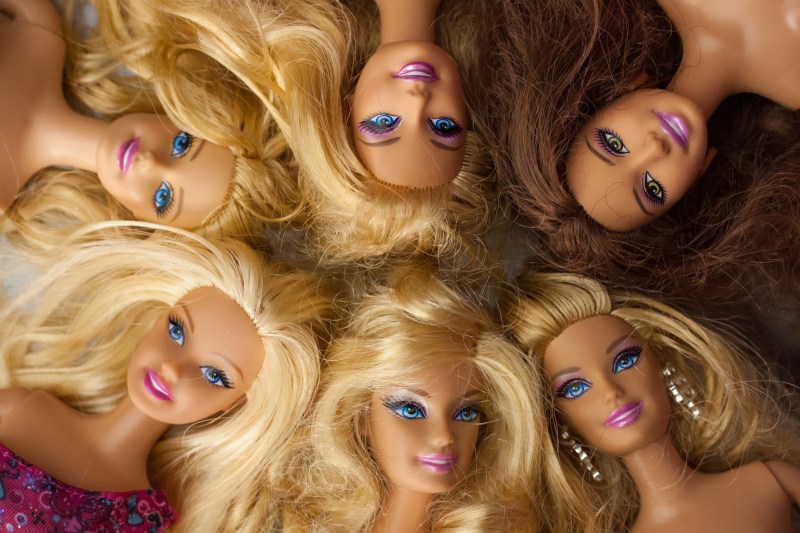
Barbie dolls. Photo: Dreamstime
Mattel launched its first autistic Barbie doll on Monday as part of the company's strategy to promote diversity and inclusion among children, The Guardian reports.
Autism is a developmental brain disorder that affects how people experience and interact with society. Although the characteristics of autism vary from person to person, it is estimated that more than one child in a hundred is autistic, according to the World Health Organization.
The new Barbie doll, created in collaboration with the American charity Autistic Self Advocacy Network, is designed to represent some of the ways in which children with autism can experience, process and communicate with the world.
Barbie has a slightly sideways gaze to reflect how some autistic people avoid direct eye contact. She has flexible joints for repetitive movements, a fidget spinner to help her reduce stress, noise-cancelling headphones and a tablet with alternative communication symbols.

Barbie wears a flowy purple dress with stripes and short sleeves. Purple shoes complete the outfit, with low soles to promote stability and ease of movement.
Although the first Barbie dolls date back to 1959, until 2019 there were no dolls with disabilities. There are now blind Barbie dolls as well as wheelchair Barbie dolls with Down syndrome, prosthetics and hearing aids. There is also a Ken doll with a prosthetic leg, another who uses a wheelchair with a ramp, and one with a hearing aid.
“Barbie has always strived to reflect the world children see and the possibilities they imagine, and we're proud to introduce our first Barbie doll with autism as part of that ongoing work,” said Jamie Cygielman, Mattel's global director of dolls.
Photo source: Dreamstime