
France is on the brink of early elections: The government risks falling / What Emmanuel Macron is preparing


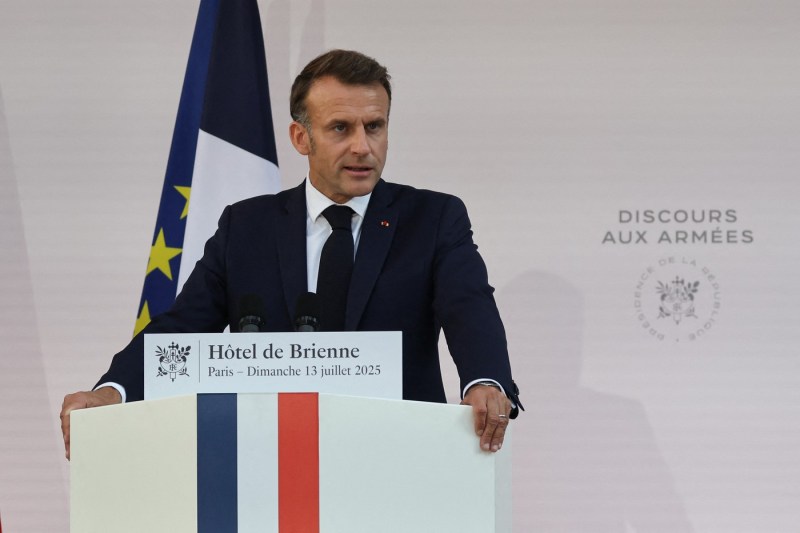
Emmanuel Macron addressing the French military chiefs on Sunday, July 13, 2025, on the eve of France's National Day. Credit: Ludovic MARIN / AFP / Profimedia
The Prime Minister of France, Sébastien Lecornu, asked the Minister of the Interior to analyze the possibility of organizing early legislative elections on the dates of the municipal elections in March, according to an executive source quoted by Le Monde. The Prime Minister and the President consider dissolving the National Assembly in the event of a no-confidence motion against the government.
Prime Minister Lecornu's decision comes in the context in which two French parties, “Rassemblement national” (RN) and “La France insoumise” (LFI), have each submitted a motion of censure against the Government.
Sébastien Lecornu instructed the Minister of the Interior, Laurent Nuñez, to prepare the organization of possible legislative elections on the dates of the municipal elections, on March 15 and 22.
The censure motions announced by the opposition come mainly as a reaction to the adoption of the agreement with Mercosur by the member states of the European Union. The two motions would be debated in the National Assembly between Tuesday, January 13, and Wednesday, January 14.
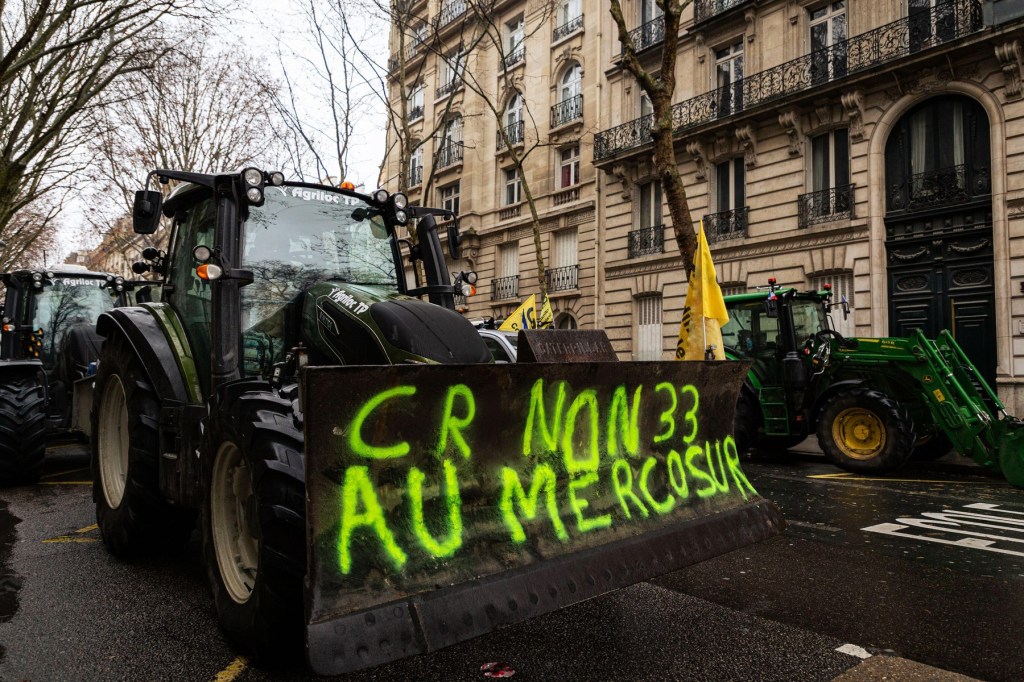 The EU states approved the trade agreement with the Mercosur bloc on Friday, despite intense opposition / Romania voted in favor of the agreement / Who opposed
Emmanuel Macron is considering dissolving the National Assembly
According to the same source cited by Le Monde, the fall of the government would be followed by a dissolution of the National Assembly, the lower house of the French Parliament. The president and the prime minister have agreed on this scenario, but the final decision will be made by Emmanuel Macron, as stipulated in the Constitution.
“France has a clear position on Mercosur: we will vote against it, without surprises,” the prime minister wrote on X Friday, accusing the political formations that submitted the no-confidence motions of “deliberately choosing to display internal political disagreements” and of “weakening France's voice” abroad.
These motions further delay the budget discussions, “already blocked by the same political parties against the background of an electoral calendar”, added Lecornu.
In France, the state budget for 2026 could not be adopted on time, until December 31. Parliament thus adopted a special law to compensate for the lack of budget and to ensure the continuity of state and administration activities.


