US-China agreement? Trump trumpeted success and forgot about the case

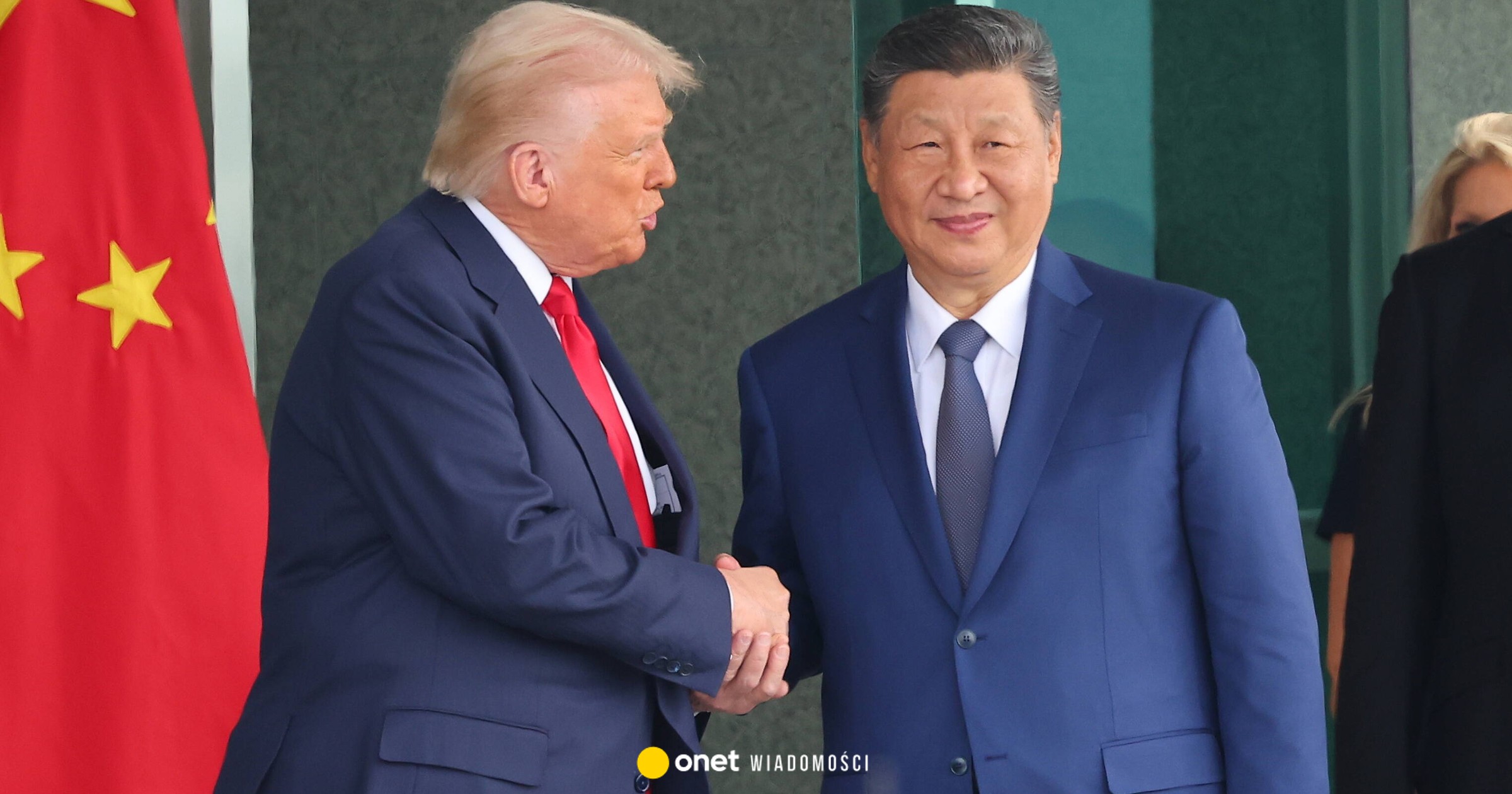
President Trump rated his meeting with Xi on October 30 as a “12 out of 10.” The White House listed a list of measures the sides would agree to to ease the ongoing trade war. It was crucial resumption of Chinese purchases of American agricultural productssuch as soybeans, and Beijing's lifting of export restrictions on key minerals. In return, the US agreed to extend the suspension of high tariffs of over 100 percent on goods from China. However, the statement from the Chinese Ministry of Commerce did not confirm these commitments – although it did mention the US tariff pause.
At the end of October, Jamieson Greer, the US Trade Representative (USTR), informed journalists that negotiators were “looking to finalize the details” of the agreement. A few weeks later, Treasury Secretary Scott Bessent said the administration hoped to complete the rare earths provisions by Thanksgiving. However, this deadline passed without the publication of any text or official declaration.
The lack of written, mutually agreed terms allows both the Trump administration and the Chinese government flexibility in implementing a trade war suspension. However, critics emphasize that this solution leaves room for divergent interpretations of obligations — and this, in turn, risks further conflicts in the future.
The lack of a broad-based agreement between the US and China means that the steps that disrupted trade relations in 2025 (mutual tariff increases, export restrictions on key products, targeted import blockades) may spark new economic turmoil in the coming year. “It's not complicated,” says Cameron Johnson, senior partner at Shanghai-based consulting firm Tidalwave Solutions. — The Chinese may deliberately delay the matter, but these are the basics of diplomacy: What did we agree on and what is the completion date?
The article continues below the video
Experts also note that this is the state of affairs does not bode well for the overall overhaul of trade relations between the world's two largest economiesthat Trump promised at the beginning of his term. The president presents his upcoming visit to Beijing in April as the next stage of talks.
— If they cannot agree on even the issues covered in the US information file or on the general framework of commitments, the question arises how deep is the actual mutual understanding about what to do next – says Greta Peisch, partner at Wiley Rein in Washington and former general counsel of the Office of the US Trade Representative during the presidency of Joe Biden.
Still, the White House remains optimistic about the future of the U.S.-China trade relationship. “President Trump's close relationship with President Xi helps both countries continue to make progress and resolve outstanding issues,” the White House said in a statement, adding that administration “continues to monitor China's compliance with the provisions of our trade agreement”.
The USTR representative pointed to previous announcements specifying the administration's expectations towards China. The Treasury Department did not respond to a request for comment.
The president's allies argue that the lack of a written agreement after the October talks is not a failure, but part of Trump's strategywhich gives both sides the flexibility to ease tensions without the risk of disputes over details.
— The Chinese do not want a clear, binding agreement In some respects, it even suits Trumpassuming they follow through on their verbal commitments, says Wilbur Ross, who was Commerce Secretary during Trump's first term.
“Entrepreneurs are not sure what the future will look like”
However, there are already signs of disagreement. A White House briefing from November 1 said China had committed to purchasing 12 million tons of American soybeans by the end of 2025. A statement from China's Ministry of Commerce said only about “expanding trade in agricultural products”no specific quantity.

Soybean cultivation. Illustrative photoFotocost / Shutterstock
Beijing has actually resumed purchases of American soybeans, reaching at least 4 million tons since late October. However, this is still far from the promised 2025 target. Greer explained to senators last month that the discrepancy was due to a different time frame: the initial purchases were supposed to be for the current harvest season, not one calendar year.
Chinese embassy spokesman Liu Pengyu declined to comment on whether China would honor its soybean purchase commitments.
Meanwhile, American farmers they fear that China's purchasing commitments are fragile and may not be met if there is a new aggravation of trade relations. The lack of transparency in the agreement also affects industries dependent on Chinese supplies of rare earth magnets. These raw materials are essential to the production of everything from washing machines and iPhones to medical equipment. When China announced sweeping new export restrictions in October, things got messy for global supply chains.
The White House argues that China has agreed to maintain exports of rare earth metals and magnets, but companies say that deliveries are still limited by the licensing system and remain unpredictable. “Supply chains are slowing down and certain investments that could be made are not being made because entrepreneurs are not sure what the future will look like,” Johnson says.
Trump gave the Chinese a finger, they can take the whole hand
Meanwhile, the US continues to offer Beijing further concessions. On December 8, Trump announced that Nvidia would be allowed to sell its advanced H200 artificial intelligence chip in China — despite concerns that such a move could give Beijing a technological advantage at the expense of the US. However, there were no signals of mutual concessions from China.
That prompted warnings from national security experts that Beijing would feel vulnerable encouraged to demand the abolition of similar restrictions towards modern technologies in future trade negotiations.
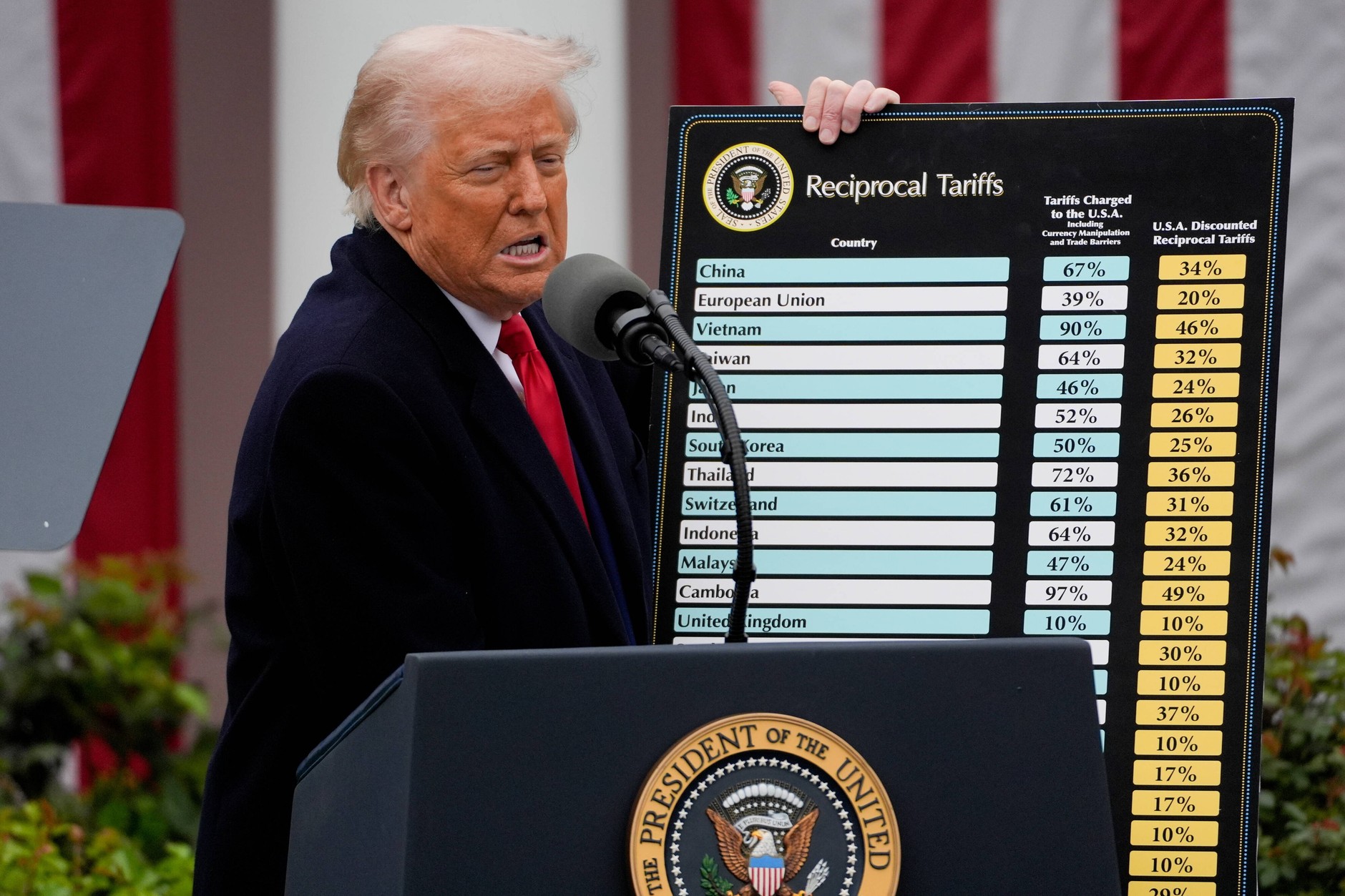
Donald Trump announces tariffs on 'Emancipation Day'. Washington, April 2, 2025PAP/EPA/KENT NISHIMURA / POOL / PAP
— President Trump has taken direct control of China policy to a degree we haven't seen in his first term, so we can see more clearly now his own transactional approach rather than an emphasis on national security issues – says Christopher Adams, former China coordinator at the Treasury Department, now senior counsel at Covington and Burling.
This situation – as Peter Harrell, former director of international economic affairs on Biden's National Security Council, notes – it may also discourage Beijing from pursuing more ambitious goals in trade relations with the USA or to write down future arrangements on paper.
— The Chinese know that as long as they meet the minimum expectations regarding soybeans and rare earth exports, they won't be put under a lot of pressureto sign detailed contract texts, says Harrell.
This is well below the bar promised by the administration when it launched its “Liberation Day” tariff campaign in April. Bessent predicted that the pressure of Trump's high “reciprocal” tariffs would force China to move away from an export-driven economic model. In the same month, Trump predicted that Beijing would want to negotiate trade terms as soon as possible so as not to be cut off from the US market. As a result, there was a spiral of further tariff increasesat one point reaching over 100 percent, and the mutual use of export restrictions aimed at the key weaknesses of the other side. Until in October, Trump and Xi announced a “ceasefire.”
— We finally agreed to it a very limited bilateral agreementwithout broad market access or structural reforms to solve the problem of unfair competition or China's production surpluses – summarizes Barbara Weisel, a former trade agreement negotiator, currently associated with the Carnegie Endowment for International Peace think tank.