Translator of chaos. The real role of the Secretary of State in the crisis around Venezuela. “Ultimately he will do what Trump tells him to do.”

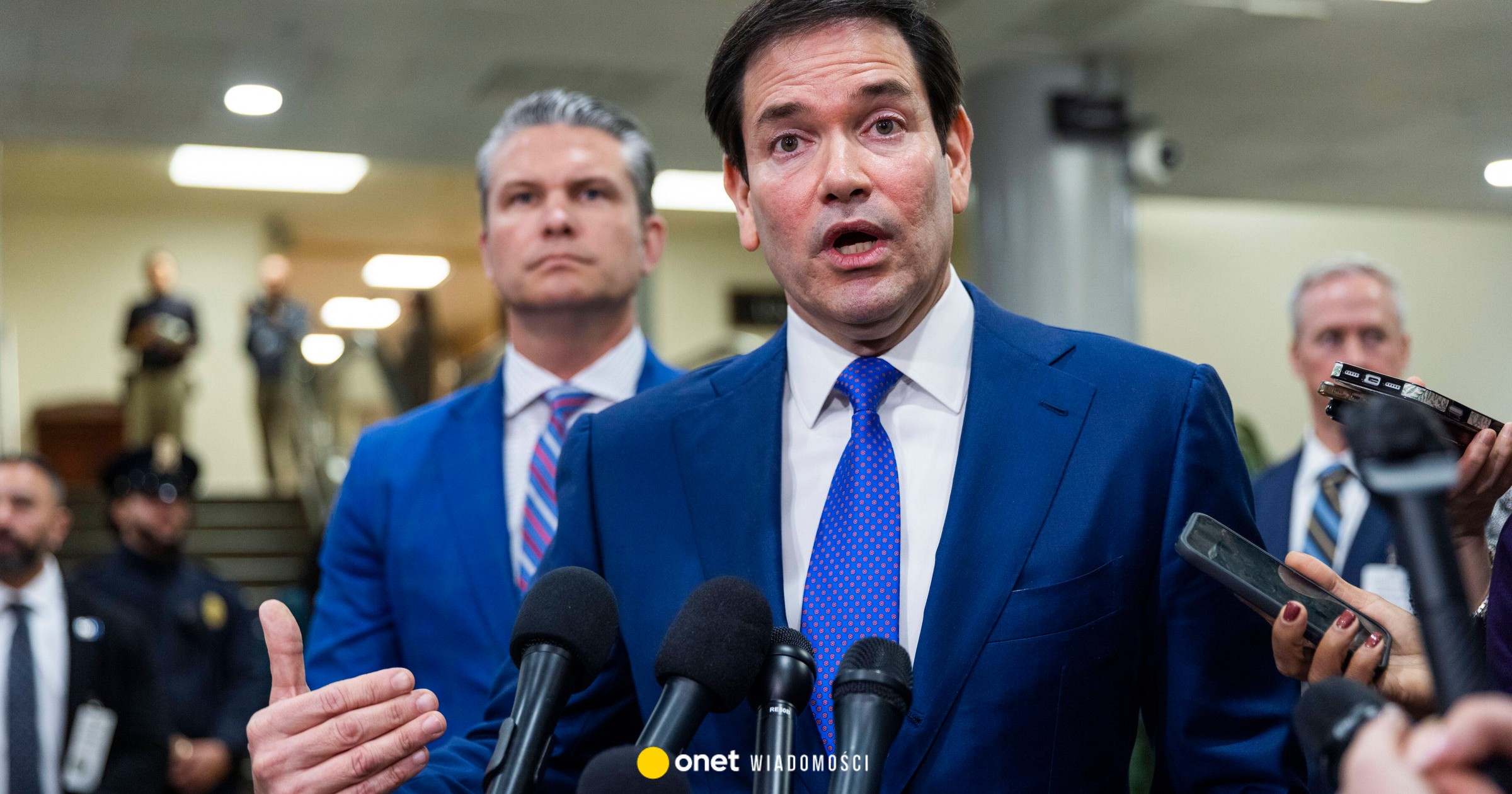
When senators woke up on Saturday, January 3, with questions about President Donald Trump's bold decision to order the capture of Venezuelan leader Nicolas Maduro, one of their former colleagues was already ready to answer.
Secretary of State Marco Rubio had been calling senators intensively since the early morning hours, and in the following days he played a key role not only in developing the administration's strategy towards Venezuela, but also in explaining it to skeptical legislators who feared long-term military involvement.
The crisis in Venezuela has exposed the power behind the scenes in Washington. And Marco Rubio found himself in the middle of a political storm.
Rubio's overtures were aimed at both his former Republican colleagues and Democrats — including those who see him as one of the few Trump administration officials with whom a relationship of trust and mutual respect can be maintained despite deep political differences.
“While I may not agree with him on a daily basis, he has demonstrated extraordinary competence,” Sen. Dick Durbin of Illinois, the second most important Democrat in the Senate, said in an interview. — I voted for his nomination and I continue to have confidence in his abilities.
Other senators emphasized his particular knowledge of Latin America while expressing doubts about the Venezuela strategy that Rubio presents both publicly and in closed briefings. For now, it assumes supporting interim president Delcy Rodriguez as a de facto puppet of the United States.
With Marco you can sit down and ask, “Tell us about Delcy.” He knows these realities, he knows people, he can explain who they are and what their intentions are
– said Senator Tim Kaine of Virginia, his former colleague on the Foreign Affairs Committee
Kaine praised Rubio for refocusing U.S. attention on the Americas, but at the same time quickly added that Trump's “Donroe Doctrine” is “the wrong kind of interest.”
“Deeply, deeply disappointed”
On Wednesday, January 7, Rubio returned to the familiar confines of the Senate as part of a delegation of senior Trump administration officials who briefed lawmakers on the weekend's military operation. His growing importance in the administration was clearly visible there.
— He is the center of events. He starts, he talks without notes,” said Sen. John Barrasso of Wyoming, the other Republican leader in the Senate.
For me, he is a mature, experienced and credible voice as Secretary of State. And when it comes to this region of the world, he knows the problems, he knows the people – and that makes a huge difference
– he added.
Rubio's membership in an elite group of current and former senators was also visible. In front of dozens of reporters, he hugged and spoke briefly with Senate Minority Leader Chuck Schumer. Moments later, with a broad smile, he approached the cameras and joked: “I'm against everything he said.”
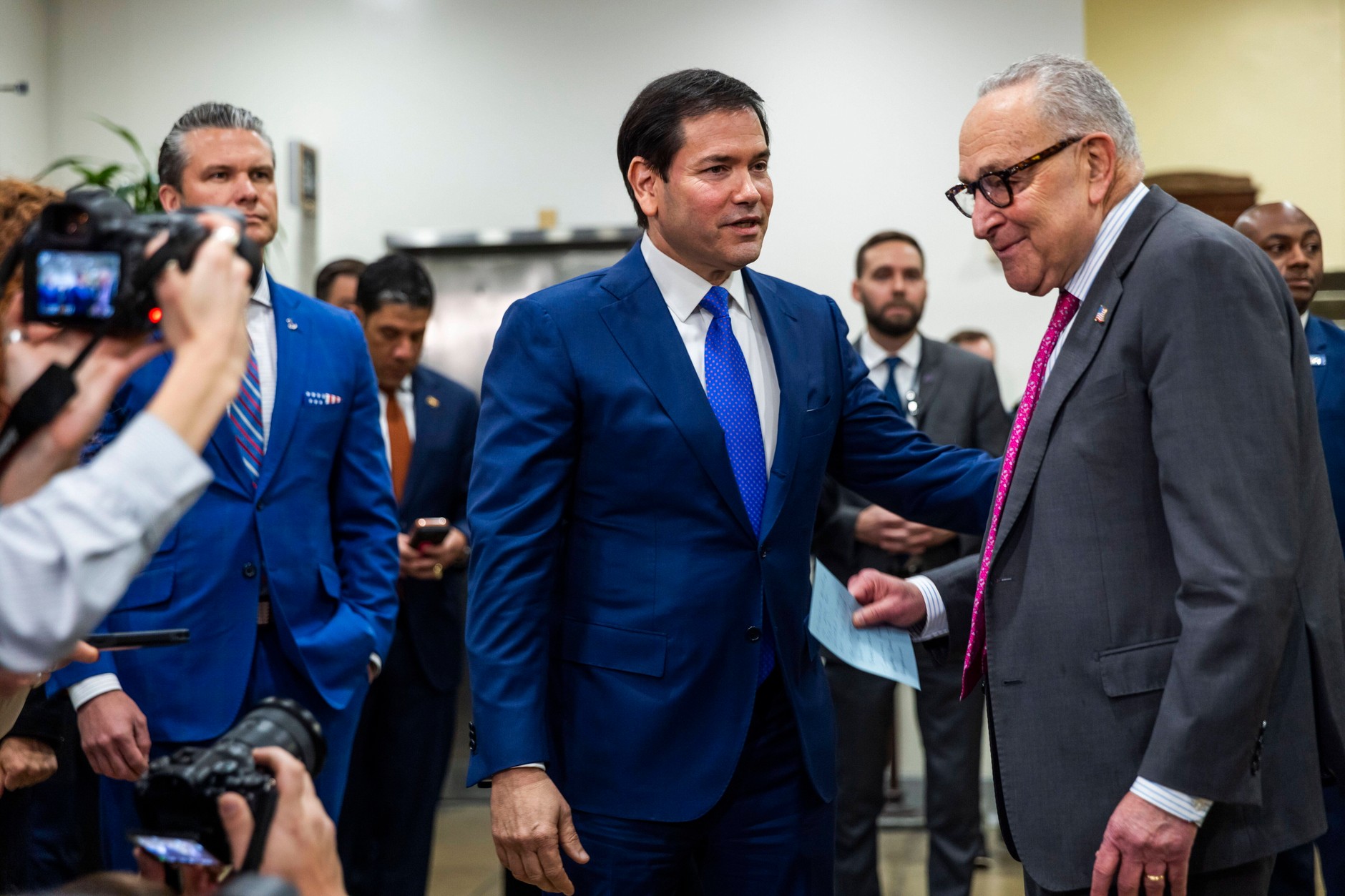
US Secretary of State Marco Rubio and Senate Minority Leader Chuck Schumer after informing US senators about the capture of Venezuelan President Nicolas Maduro, Washington, USA, January 7, 2026.JIM LO SCALZO / PAP
Schumer, like most Democrats and a constant critic of the administration, did not praise Rubio, but he also did not back down from the support he gave him during the nomination vote. Asked on Tuesday whether he regretted his vote, he replied that he was “deeply, deeply disappointed in Marco Rubio — even before Venezuela, and even more so now.
Rubio took the criticism from Schumer and other Democrats in stride. They accused him of not fully thinking through its strategy.
— I used to be a senator myself – that's what they always say when the other party rules, he said on Wednesday. — The fact is that we discussed the action plan with them in great detail.
The Senate approved Rubio's nomination on a 99-0 vote just hours after Trump was sworn in on January 20. He was the only candidate who was approved on the first day.
At the time, Democrats praised Rubio as a competent foreign policy specialist. They believed that he shared some of their views and would cooperate on key international issues, such as supporting Ukraine in the fight against Russia or strengthening NATO.
From partner to problem
Over time, however, Rubio increasingly irritated his former Democratic colleagues by working with Trump to dismantle the U.S. foreign aid system and supporting the president's often chaotic priorities, from trying to force a peace deal in Ukraine to doggedly pursuing a takeover of Greenland.
These tensions have come to light many times.
I must say directly and personally that I regret voting for you as Secretary of State
Sen. Chris Van Hollen of Maryland said to Rubio during a committee hearing last year.
In turn, Senator Jacky Rosen of Nevada said that yes, “Senator Rubio was a pragmatic, bipartisan partner,” but “I don't recognize Secretary Rubio anymore.”
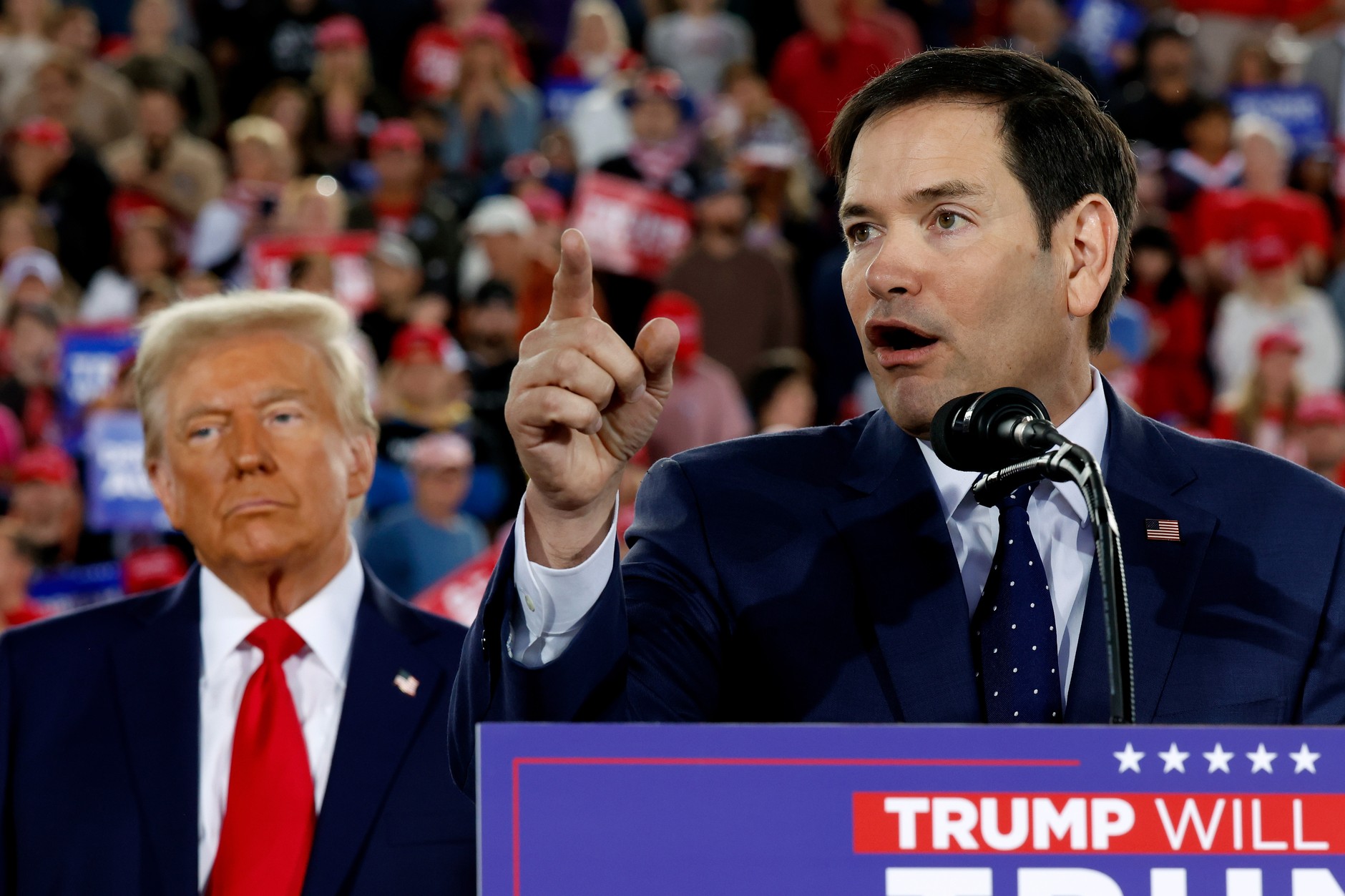
Marco Rubio with Donald Trump at one of his campaign rallies, November 4, 2024.Chip Somodevilla / Getty Images
Nevertheless, communication channels remained open. Senator Mark Warner of Virginia, who worked closely with Rubio on the Intelligence Committee, sharply criticized the administration's decision not to inform congressional leaders earlier about the operation in Venezuela. At the same time, he admitted that Rubio contacted him shortly after it started.
“Someone hacked my phone a few months ago and I changed my number,” Warner explained. “He tried to contact me, but that was after the raids had started.
Rubio, however, managed to reach out to many former Republican colleagues, including Sen. Mike Lee of Utah, with whom he had previously frequently clashed on national security issues.
“Ultimately he will do what Trump tells him to do.”
As news of the U.S. raid began to leak to the media, Lee posted a skeptical post on Platform X just after 3 a.m.: “I look forward to hearing what, if anything, constitutionally justifies this action in the absence of a declaration of war or consent to the use of military force.”
Less than two hours later, he posted another post saying he had spoken to Rubio: “This action appears to be within the president's Article II constitutional authority to protect U.S. personnel from actual or imminent attack. Thank you, @SecRubio, for keeping me informed.”
Rubio also reached out to Senate Majority Leader John Thune and House Speaker Mike Johnson, as well as key committee chairs and members.
“This is a real gift to America today,” Johnson said Wednesday.
“Everyone feels comfortable with him, especially those who served with him, which is pretty much everyone here,” Barrasso added. — He was approved unanimously because people knew and respected him.
Democrats who worked with Rubio in the Senate had a more nuanced assessment after Wednesday's closed briefing with administration officials. They expressed serious concerns about the strategy towards Venezuela, but at the same time emphasized that Rubio's role was no surprise to them, given his long-standing opposition to dictatorships in the region.
— Marco has long been an evangelist of Latin America. “He's a classic neoconservative who believes the United States will typically be welcomed as liberators,” said Sen. Chris Murphy of Connecticut. — I didn't vote for him because I hoped he would suddenly agree with me on the need for military restraint abroad.
As Kaine summarized:- Ultimately, he will do what Trump tells him to do.