The spiritual secrets of Machu Picchu. What all tourists should know about the City of Children of the Sun

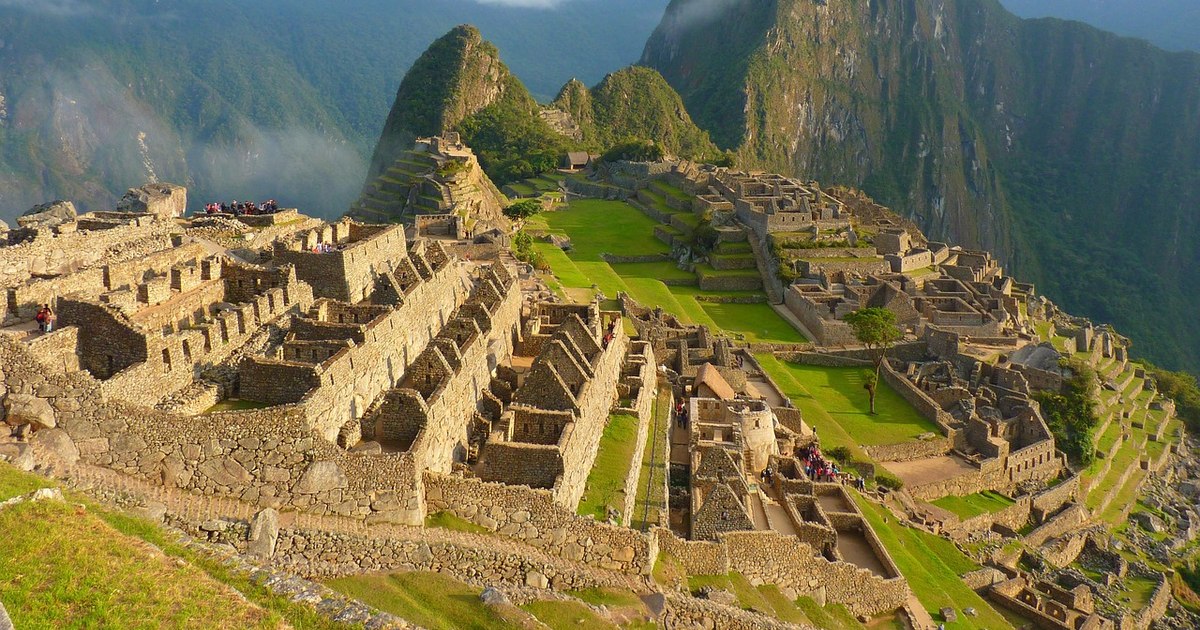
Machu Picchu is, for most visitors, an iconic destination: visually spectacular, full of mystery, but often reduced to the status of an archaeological site. In the Machu Picchu volume. City of Children of the Sun, published by For You Publishing House, Jorge Luis Delgado proposes a change of perspective. The book is not a tourist guide, but rather an introduction to Andean cosmology and the spiritual meaning of one of the most sacred places of the Inca civilization.
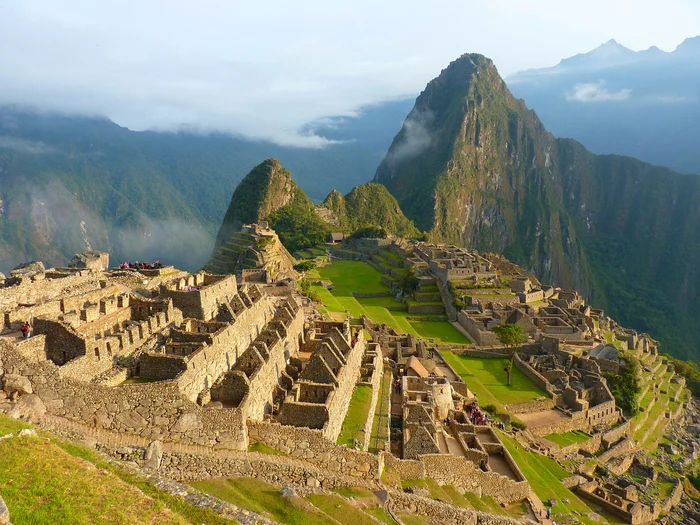
Photo source: Pixabay
“To understand Machu Picchu, it helps to have an overview of Andean cosmology,” writes Jorge Luis Delgado, emphasizing that the ancient Incas lived life as a communal experience, in harmony with Mother Earth and the light of Father Sun. From this perspective, Machu Picchu is not just an ingenious construction, but the expression of a deep desire to live in balance with the forces of nature.
The City of the Children of the Sun and the Logic of a Lost World
The volume aims precisely at this recovery of the original meaning of the fortress: sacredness. Delgado invites readers to understand the significance of temples, caves, and individual sites, not as isolated elements, but as parts of a coherent spiritual system. In his view, Inca spirituality is unlike the institutionalized religions of the modern world. “The nature of Inca spirituality has nothing to do with religion as we understand it today,” states the author. “Inca spirituality was a natural connection between our inner sun essence and Mother Earth, Father Sun and Energy beyond the Sun.”
This connection is reflected in the very power of the place. Delgado claims that Machu Picchu facilitates an experience of recognizing one's own spiritual nature: “The power of the Machu Picchu settlement makes it easier for us to see that we are souls. Feeling the very soul of Machu Picchu opens the portal to our own soul.” Out of this openness comes gratitude for life and the perception of the sacred city as a blessing that sustains spiritual growth.
The Inca Road – Kapak Nan plays a central role in this experience. Delgado explains that there are seven trails leading to Machu Picchu, each dotted with shrines where travelers would make offerings to the mountains' guardian spirits, the apu, using the traditional k'intu of three coca leaves. Along the way is the Mother Temple or Sacred Rock, facing east and symbolically connected to Putukusi, “the ever happy mountain”.
Tombs were discovered in this space, and tradition speaks of a priestess “who spoke to lightning”found facing Machu Picchu. Delgado describes this place as a portal, and the presence of priestesses is explained by the intuitive nature of feminine energy. The Spanish, limited by their own religious experience, did not understand this spirituality and misinterpreted the role of priestesses, considering them witches.
The sanctuaries on the Inca Trail are related to different aspects of life and consciousness. Winay Wayna, for example, means “forever young” and symbolizes the ability to break free from hoochanegative energy. Here, Delgado points out that youth does not belong to a biological age, but to a state of consciousness: the soul always remains young, curious and eager to explore, even if the body knows its limits.
Apu, the mountains as protective beings
The mountains of Machu Picchu are, in Andean cosmology, living entities. Most are considered apu masculine with feminine aspects and are seen as anchors of the invisible temples of janaj pachathe upper world. Inside every mountain are life-sustaining crystals and minerals. For example, the green serpentine stone associated with healing and moving energies is mined from Machu Picchu Mountain. The granite used for the temples contains crystals believed to facilitate communication with the stars, making Machu Picchu a symbol of the balance between masculine and feminine.
Also, Machu Picchu mountain is described as a apu masculine with a feminine aspect, through the presence of water, essential to life. Its difficult ascent is associated with the purification and direct experience of refined energies, myself. Wayna Picchu, “the young mountain” anchors the feminine cosmic force, complementing the masculine energy of Machu Picchu Mountain. Delgado insists on the balance between these energies as an inner harmonizing practice.
Putukusi, “happy mountain”symbolizes for the ancient Incas the way in which the soul experiences life. The author notes that the perception of life changes when it is lived through “inner sun”through the heart, not through the mind. The awareness of this fact leads to the understanding of light as an expression of love.
Other important spaces are the Gate of the Sun, the site of the first light at the winter solstice and the Capac Raymi celebration, the Burial Rock – associated with the release of heavy energies – and the Watch Tower, which Delgado describes not as a military structure, but as a possible space for observing the stars and anchoring cosmic blessings.
The stone quarry, the water temples and the two central temples, the Temple of Father Sun and the Temple of Mother Earth, complete this symbolic system. The play of light, the alignment with the solstices and equinoxes, and the concept of the checa lua, the “line of life,” show remarkable precision in relating to the movements of the Sun and the Earth. For Delgado, this precision is proof of a different understanding of life as… a dance between light, time and community.
In this reading, Machu Picchu is presented as a space of remembrance: a place that invites reconnection, gratitude and a more conscious relationship with all that surrounds us.