A research carried out with the contribution of the University of Bucharest rewrites the history of dinosaurs on the European continent. The fossils discovered in Șara Hațegului were the basis of the new study, now published in Nature – PHOTO

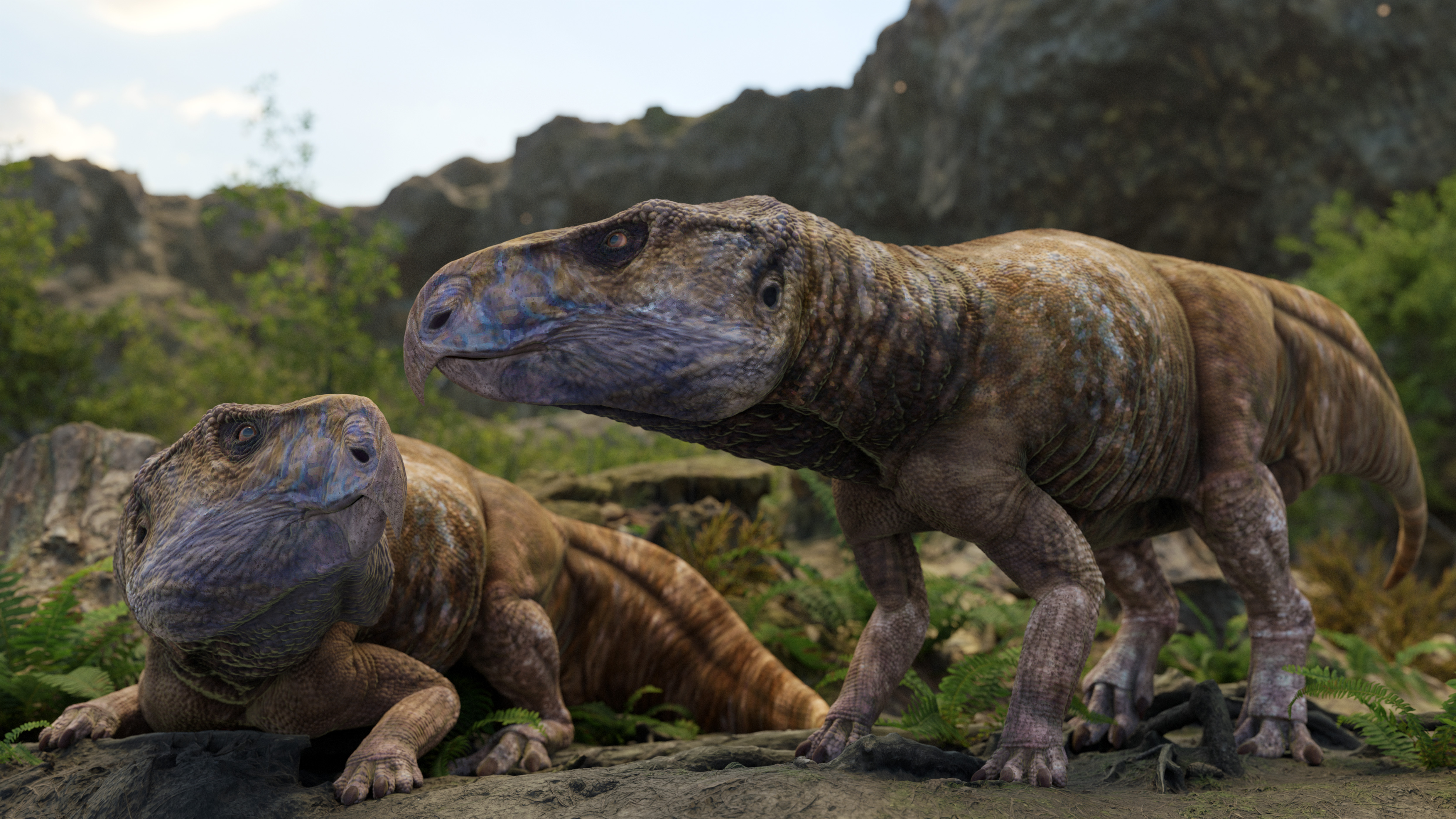
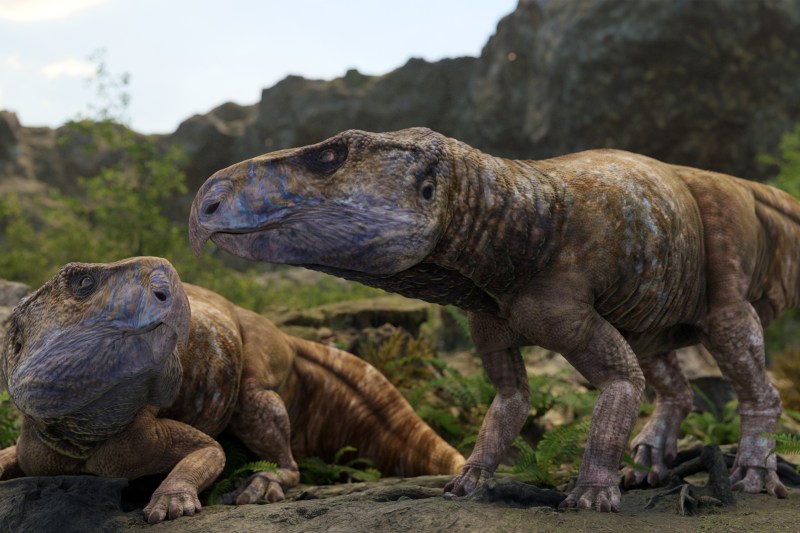
Ajkaceratops kozmai: Reconstruction of Ajkaceratops kozmai. Photo credit: Maidment et al., Nature, 2025 / Matthew Dempsey
Nature magazine, the leading international scientific journal, published a study on Wednesday that rewrites the history of ceratopsians – “horned dinosaurs” – belonging to the Late Cretaceous. The study was carried out by a team of researchers coordinated by Prof. Susannah Maidment from the Natural History Museum in London, together with specialists from prestigious research institutions in Great Britain, Hungary, Germany and Romania, among which the univ. Dr. Zoltán Csiki-Sava, researcher and teacher at the Faculty of Geology and Geophysics of the University of Bucharest.
Part of the fossils that form the basis of the new study were discovered in the UNESCO International Geopark Țara Hațegului, part of the heritage managed by the University of Bucharest, informs the university institution in a press release.
The study corrects a more than a century-old idea that ceratopsians, dinosaurs known for their distinctive cranial features, would never have reached Europe. The new investigations indicate that the European Cretaceous fauna was much more diverse than previously thought, and fossils from Romania and Hungary provide evidence that ceratopsian dinosaurs were present in the region and produced distinctive adaptations here, the university explains.
These conclusions open a new perspective on how the European continent functioned in the geological past as a space of evolution and interconnection for different groups of dinosaurs.
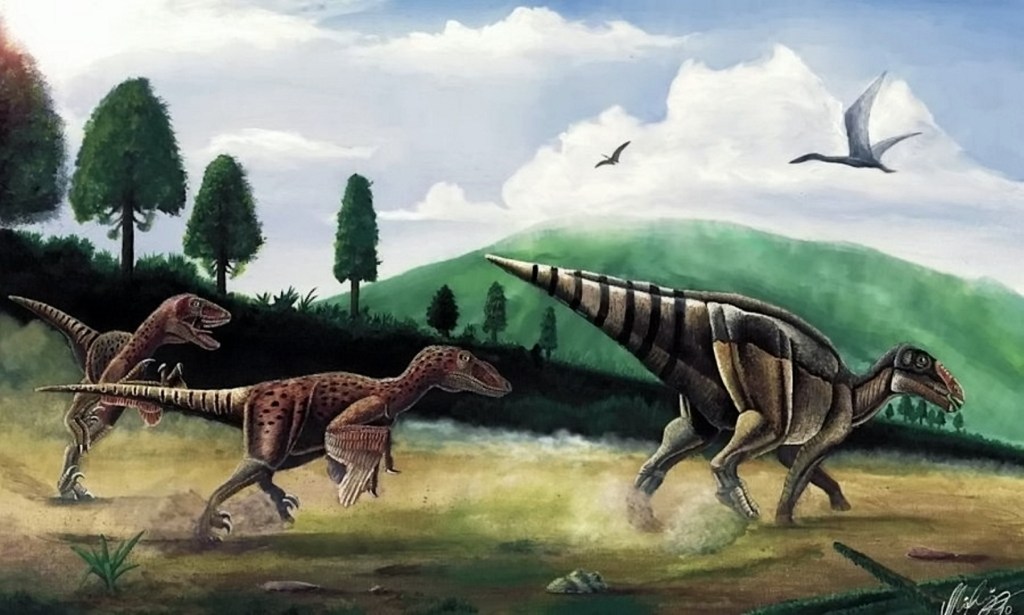 Two new species of dinosaurs discovered in Romania. What researchers think about 'Uriash kadici', the dinosaur that changed what we knew about the local evolution of these creatures
țara Hațegului Geopark, one of the most valuable paleontological territories in the world
“These results fundamentally change the way we understand the evolution of the Cretaceous fauna in Europe. The fossils discovered, including those from the territory of the UNESCO International Geopark țara Hațegului, show that ceratopsian dinosaurs not only arrived on the former European archipelago, but also evolved here their own forms, adapted to the island environment. Our studies show that some fossils considered in the past as rhabdodontids – a group recognized as European endemic – actually belong to atypical «dinosaurs with horns», and Europe could even have represented an important corridor in the dispersion of these animals between Asia and North America”, says university associate. Dr. Zoltán Csiki-Sava, quoted in the release.
Fossils from the UNESCO International Geopark țara Hațegului, one of the most valuable paleontological territories in the world, were an important part of this discovery. Based on fossil materials from the Sînpetru Formation, located in the south of the Hațeg Basin, researchers have defined a new genus of dinosaur, Ferenceratops shqiperorum, a species of primitive ceratopsian. Its name honors the contribution of Baron Franz (Ferenc) Nopcsa, pioneer of paleontological research in Șara Hategului and one of the most influential paleontologists of the early 20th century. Nopcsa is also the one who discovered the fossil material that today represents the reference specimen of the species (the holotype).
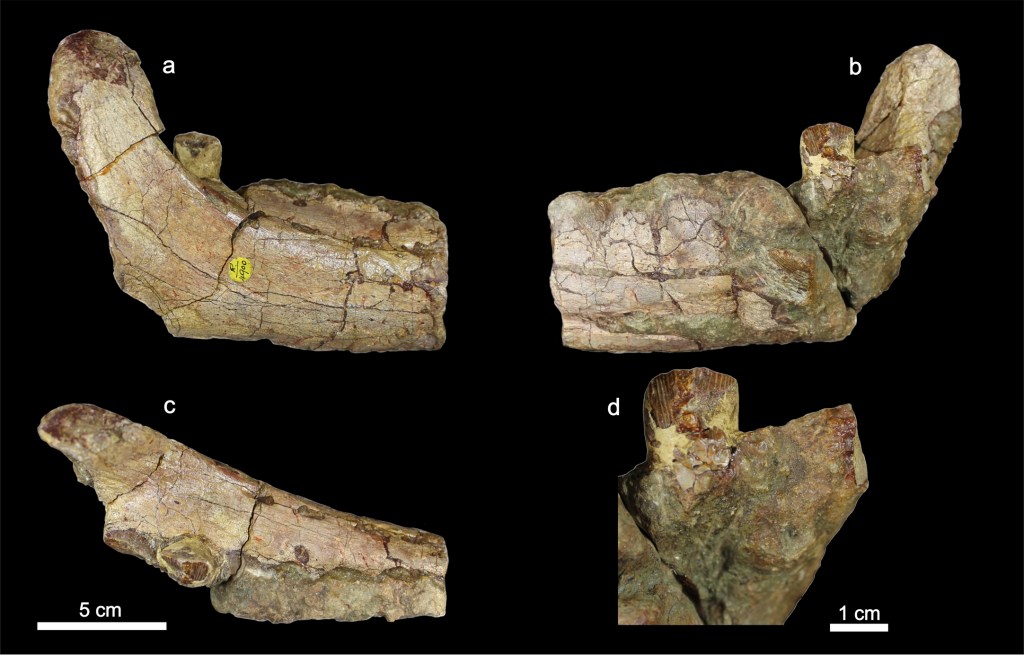
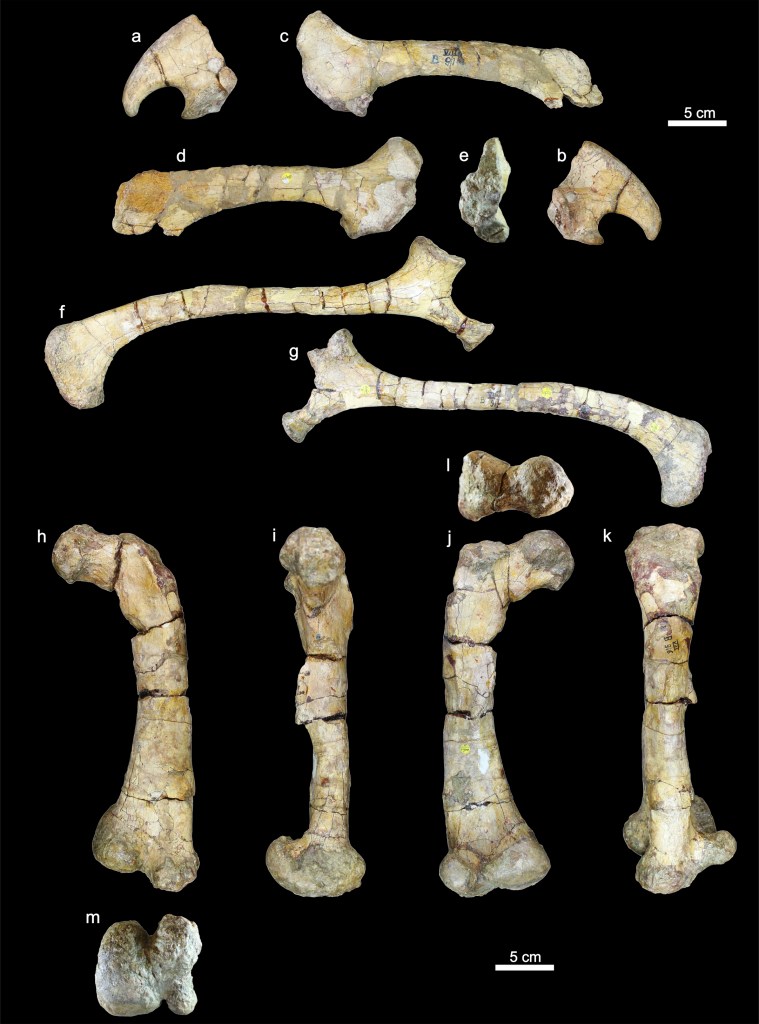
The research in Romania complements the recent discoveries in Hungary
Prof. Dr. Susannah Maidment of the London Natural History Museum, coordinator of the recently published study, explains why these animals have been so difficult to identify in the past:
- “Although Iguanodon and Triceratops look very different, the groups they belong to evolved from a common ancestor and inherited certain common characteristics.
- Both groups independently evolved quadrupedal walking, complex masticatory mechanisms, and a large body size. Because of this, their teeth and limbs are surprisingly similar, both because of their shared evolutionary history and their similar way of life.
- When we only have fragments of the skeleton, it can be very difficult to determine which animal we have in front of us.”
The results of the study of fossils from Romania come to complement the data provided by recent important discoveries from the Upper Cretaceous in Hungary, where cranial elements, much more complete than those previously known, have been identified, belonging to the species “Ajkaceratops kozmai”, a “horned dinosaur” with disputed affinities until recently. The newly discovered remains of the skull also unequivocally confirm the belonging of this species to the ceratopsian group.
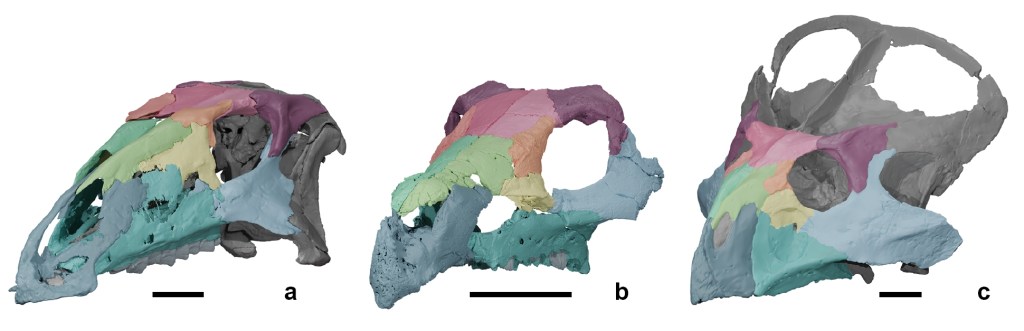
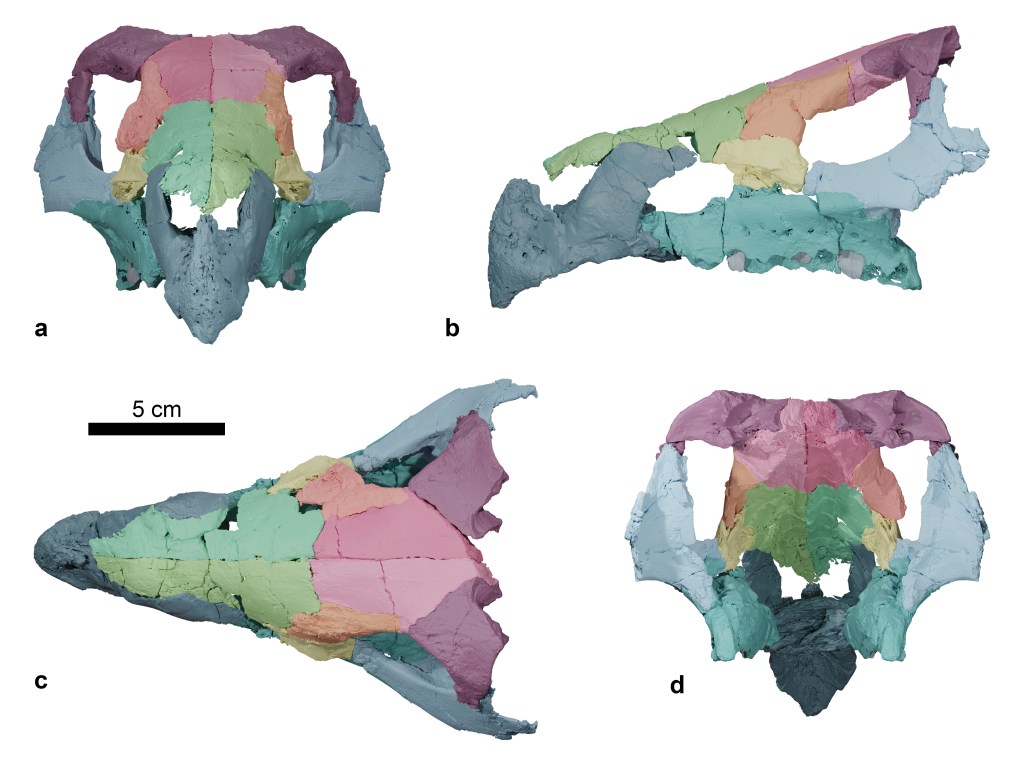
The interpretation of the discoveries from Romania and Hungary confirms both the importance of international collaboration in paleontological research, as well as the essential role of the territory of the Hațeg Country in reconstructing the evolution of the European Cretaceous fauna. This study opens up new lines of investigation and strengthens the position of the UNESCO International Geopark Țara Hațegului, part of the heritage managed by the University of Bucharest, as a global scientific landmark, emphasizes the University of Bucharest in the press release.
The importance of this discovery is amplified by the fact that even some materials previously attributed to the herbivorous dinosaur “Zalmoxes” show ceratopsian features, which suggests that the identity and diversity of the herbivorous dinosaurs of the Hațeg Basin will have to be substantially reconsidered.
One of the best-known paleontologists of the moment in the study of vertebrates, Prof. Dr. Steve Brusatte, co-author of the study, emphasizes the significance of the reinterpretation of the European fossil material: “Horned dinosaurs, such as Triceratops, are among the best-known dinosaurs, but most of the species in this group come from North America. Now we also find them in Europe, where they have been hidden in plain sight, being confused for decades with representatives of other groups of dinosaurs”.
The article is available, in English, on the website of the journal Nature.