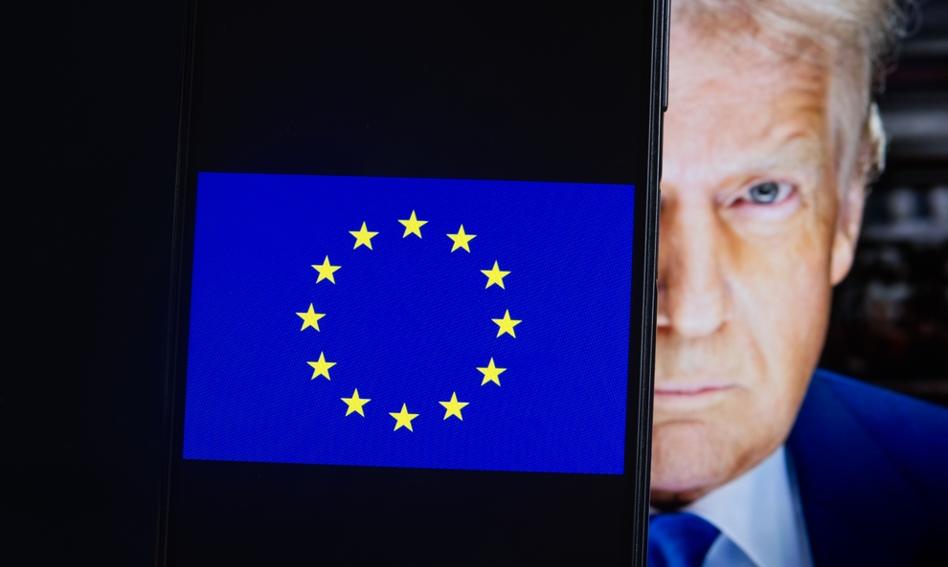
Leader on Saturday Venezuela Nicolás Maduro was captured and deported from the country following a large-scale US attack on Caracas. The US is talking about fighting “narco-terrorism” and migrant smuggling. However, the regime in Caracas claimed that Washington's goal was to take control of the country's oil deposits. And these are the largest in the world: they reach 300 billion barrels compared to almost 270 million in Saudi Arabia.
Secretary of State Marco Rubio confirmed that Maduro will stand trial in an American court on charges of narcoterrorism from 2020. The American authorities will soon present a “peace, freedom and justice” plan for Venezuela. Experts speculate that the success of the operation was possible thanks to the silent cooperation of some of the Venezuelan elites with Washington.
The specific role of Venezuela in the global oil market
Oil has been low in recent weeks. At closing time on Friday, before the attack (the market is closed on the weekend), a barrel of WTI crude oil was priced at $57.3. That's almost 22 percent. less than a year ago. The last time they were this low was at the beginning of 2021, when the global economy was emerging from pandemic lockdowns.
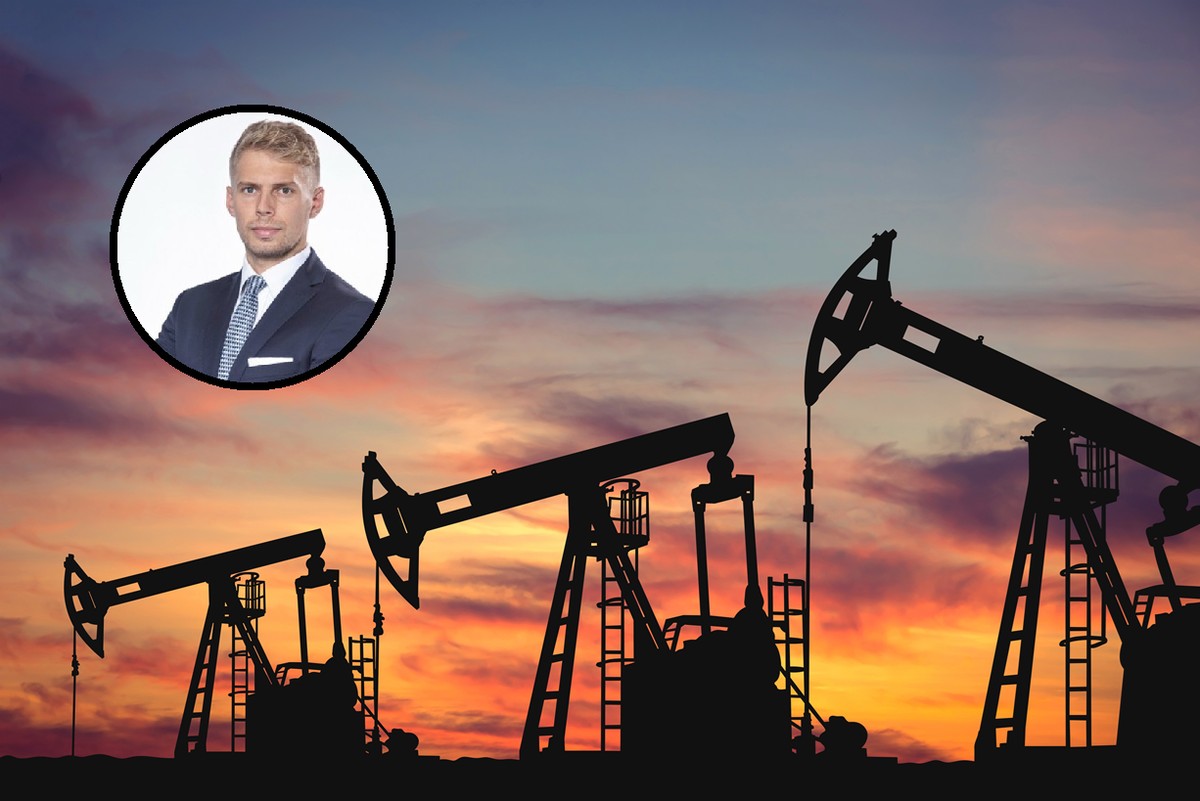
— Even though Venezuela has the world's largest oil reserves, its current importance for the global market remains negligible. Although production has rebounded from 300,000 barrels per day (2020) to approximately 1 million currently, is still far from the historical 3 million from the late 1990s. The collapse of the sector is the result of sanctions, lack of investments and excessive social spending – says Michał Stajniak, deputy director of the XTB Analysis Department.
He adds that although the PDVSA concern declares continuity of production, the infrastructure is in terrible condition and requires multi-billion investments, which are not possible given the current low oil prices. — Regardless of Venezuela, the oil market will experience a large oversupply in 2026 and Russia and possible further peace attempts in Ukraine will be a much more important factor. – notes the expert.
However, there is a difference between “proven resources” and “recoverable resources”. It should be emphasized that Venezuela is not among the largest producers (approximately 1.5 million barrels per year compared to 11 million produced by the USA, the leader in the ranking). Apart from that most of Venezuela's resources are the so-called heavy and extra-heavy oil, which is difficult to extract and transport due to its density and chemical composition.
See also: Donald Trump is changing the world with his attack on Venezuela. The attractiveness of foreign lands is more important than the Nobel Prize
It requires advanced technologies, huge amounts of energy and mixing with lighter fractions to make it flow through pipelines at all. Its refining is also more expensive. Its exploitation requires investments in refineries and refining installations, which the ruined country cannot afford. Venezuela is a country that in the 1970s was responsible for over 7 percent. global oil supplies, but today it provides only about 1 percent. global supply.
Will drivers pay more at gas stations?
— Donald Trump announced the recovery of American oil assets, which theoretically could increase production in the medium term and strengthen the US role as an importer of heavy oil. However, this process will be expensive and time-consuming. The reaction of the markets at Monday's opening may result in an increase in oil prices of several percent, but it will probably be short-lived, as in the case of previous geopolitical crises related to Russia or Iran. This event should not affect fuel prices at gas stations in our country, says Michał Stajniak.
See also: Will Venezuela breathe a sigh of relief after the US attack? Twice as rich as Poles 35 years ago, now they are living in poverty
He notes that American intervention in Venezuela's internal affairs was met with strong condemnation from China, Russia, Cuba and Iran. — Unless these countries take specific retaliatory steps, the impact on global financial markets should remain limited. However, the key risk remains the stability of the transfer of power. Possible internal resistance may prolong geopolitical uncertainty – adds the XTB expert.