The weather phenomenon that has almost completely disappeared. “Winter is the season that has changed the most”


Two characteristics of winter have almost completely disappeared, and although summer is the season that has warmed the most, “winter is the most changed”, Sorin Cheval, scientific researcher at the National Meteorological Administration, explained to HotNews.ro.
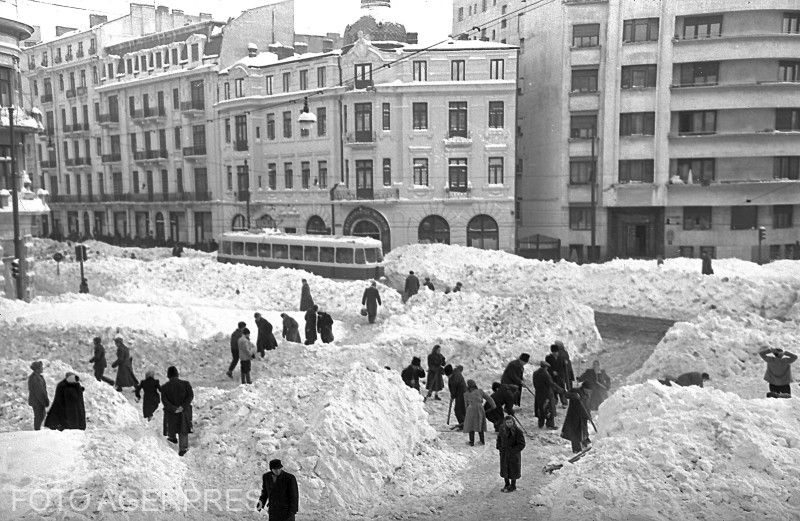
“Blizzards used to be a common phenomenon, there were two or three important blizzards every year in the Romanian Plain. Nowadays, we can't even talk about how frequent they are, but about their total absence in recent years. There were years when we had only one blizzard episode. but that too was soft and light, but we are at the level where it almost completely disappears. So, compared to two or three episodes per winter, now the average tends to zero,” says the researcher ANM.
One reason is, according to the climatologist, the fact that we no longer have snow, and the episode that brought a layer of snow of 48 cm to Bucharest last winter was an exceptional one.
“When I said winter, I meant snow”
Although summer is the season that has warmed the most, “winter is the most changed, especially if we look at temperatures that remain above zero degrees Celsius, not just in the south.” “In addition, when we said winter we meant snow, and we don't have that anymore,” said the ANM researcher.

Sorin Cheval explained that everything is related to air circulation and what is happening at the global level, and one cause is strictly related to the Mediterranean cyclones that arrive more and more often over Romania, they are warm, they bring rain, but the Siberian anticyclone that brought low temperatures does not appear so often anymore.
The warmest winter in history in Romania was the one between 2023 and 2024, with an average temperature for the country of 3.8 °C and surpassing the winter of 2022-2023, according to ANM data. The coldest winters, with an average below -5 degrees Celsius, were in 1954, when the snow cover exceeded 150 cm, and in 1985, when it was also super-cold, and shortages were numerous.
Serious heat waves as early as April, but also in October
“The first heat waves are already starting in April, here I mean a succession of very hot days. In the old days they started in June, rarely in May, now we have them from April. In autumn, the heat waves go to October”, says Sorin Cheval.
Two examples are worth mentioning: there were highs of over 35 C in Romania on October 21, 2023, while April 15, 2024 was almost 34 degrees Celsius.
Another pattern is also observed during spring: sometimes there are cold waves in March and even snow, and once every few years there is frost at low altitudes even after April 15. “It's one of the most dangerous patterns. The world is talking about climate change and sometimes it makes fun of what changes we have, if it's cold outside. But the trend is warming”
“I wouldn't be so drastic as to say the seasons disappear. We're not there. We're in a transition, certain things are changing, that's where we are.”
One more summer month than 30 years ago
Sorin Cheval says that, towards the end of the century, both the number of days with temperatures over 30 degrees and the number of nights with minimums over 20 degrees C will increase in Romania, so that even in the least pessimistic warming scenario, a month of summer will be added by the end of the century, and not just any kind of summer, but one with tropical nights and tropical days”.
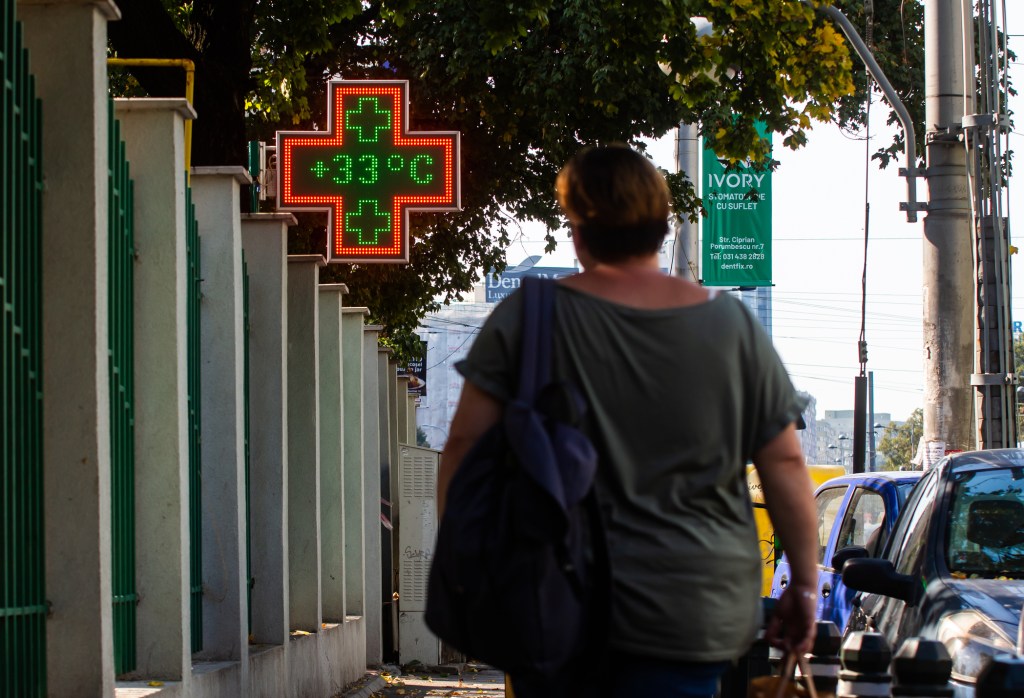
In the most pessimistic scenario, by 2100, on average, about 50 days of summer will be added “But we already have almost one more month of summer than 30 years ago, especially since September is also a warm month”
When we say heat wave we think of temperatures of 35-40 C and nights when we don't really feel cool. But we have had heat waves in Romania in the last three years also during winter. How is a heat wave defined? “Heat waves have dozens of definitions, and the easiest to understand is when we have at least six consecutive days in which the average temperature of that day is 5-6 degrees Celsius higher than the multi-year average of the day,” says Sorin Cheval. The definition applies regardless of whether it is summer or winter.
Sorin Cheval signed a chapter of the “State of the Climate” report on the topic of climate in cities, explaining that urban areas are hotter and drier than neighboring areas, and urban heat island effects are greater the larger the city.