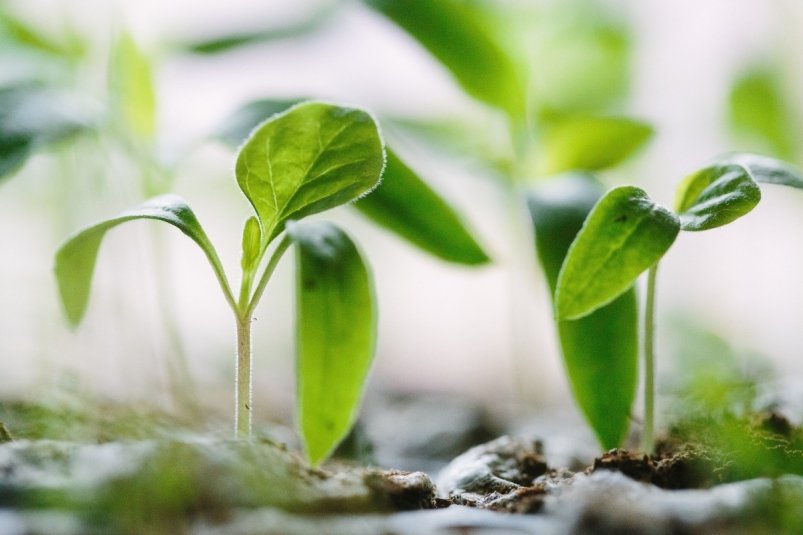
In the silence of a winter evening, sorting through bright bags of seeds, every gardener asks himself the same question: will they sprout? The harvest of the new season begins not in the spring in the garden, but in winter – at the very moment when you open your collection. The shelf life of seeds is not a whim of producers, but a key factor on which it depends whether they will sprout the long-awaited sprouts in the ground.
Germination groups: who lives long and who needs to get going

The life cycle of a seed is laid down by nature, and each culture has its own. Some, like parsnips and celery, lose their vigor after just a couple of years, while pumpkin or tomato seeds can wait patiently in the wings for up to 6-8 years.
Short age (1-3 years): parsnips, celery, onions, parsley, dill. They should not be put off “for later” – they need to be sown fresh.
Reliable middle children (3-5 years): this includes the basics of the garden – carrots, beets, peppers, eggplants, lettuce, radishes, peas and all types of cabbage. Germination remains stable.
Long-lived (5-8 years or more): champions in keeping quality are tomatoes, cucumbers, zucchini, pumpkins, watermelons and melons. They can often be sown successfully even after a long time.
Ideal conditions: where to find a “winter apartment”
Seeds, like people, need comfortable and stable conditions to live a long life. Their main enemies are moisture and sudden changes.
Where to store? The ideal place is dry, dark, with a constant temperature. A closed shelf in a pantry or closet in the living room, away from radiators, is suitable.
What to avoid? The cellar and refrigerator are bad options. The humidity there is too high, which can cause the seeds to become moldy or “wake up” prematurely.
What to keep? The best container is airtight. Small glass jars with a tight lid, plastic containers or even ordinary zip bags will reliably protect against dampness.
If you still have doubts, you can do a quick test a couple of weeks before sowing. Take a dozen seeds, spread them between layers of damp paper napkin, place them in a warm place and make sure that the napkin does not dry out. After 7-10 days it will become clear how many seeds are ready for life. If more than half have sprouted, the batch is good. If it’s less, you’ll have to sow thicker.