How a Ukrainian journalist, originally from the Donbas region, sees the peace negotiations between the US and Russia: “This is one of the biggest manipulations”

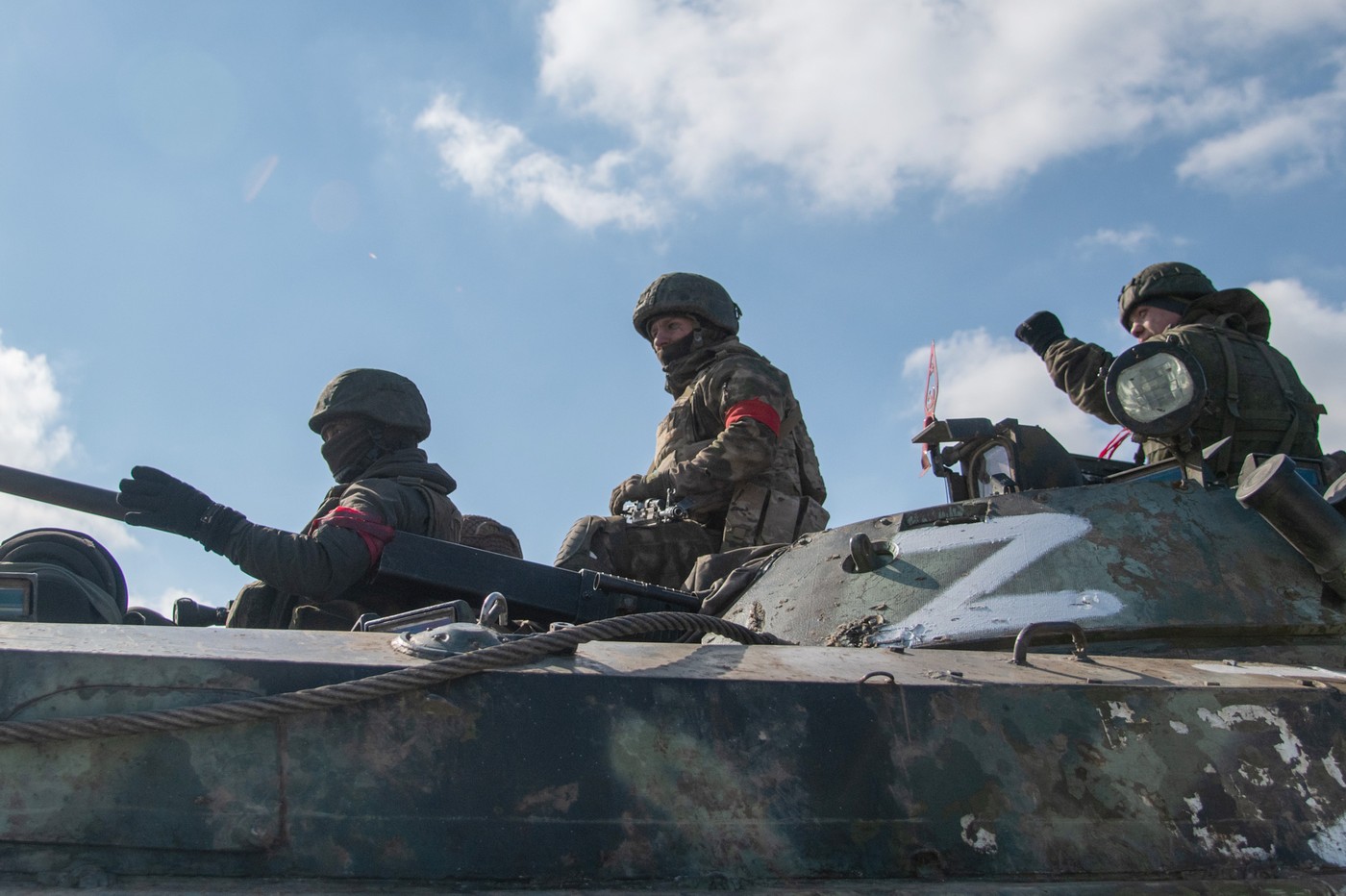
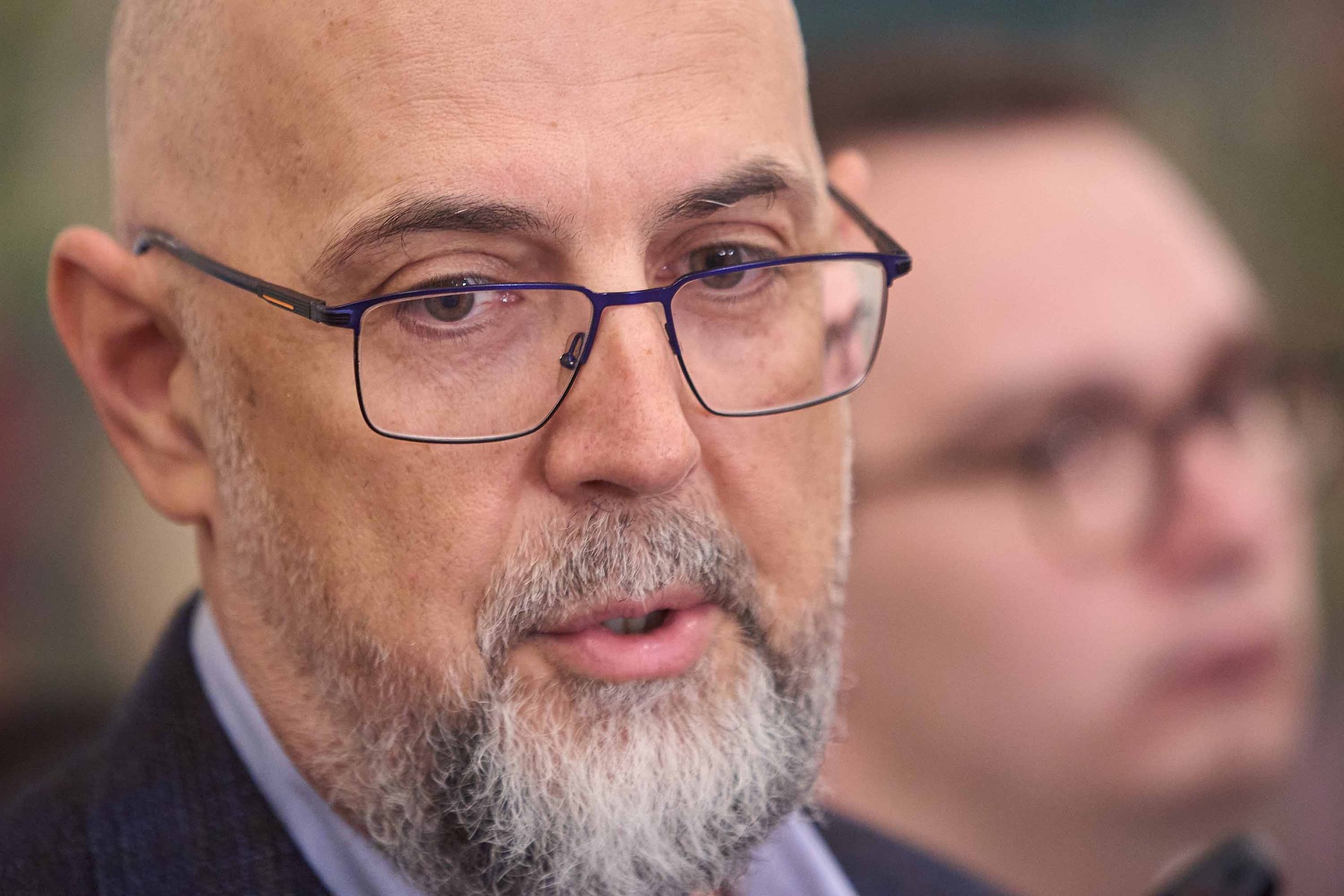
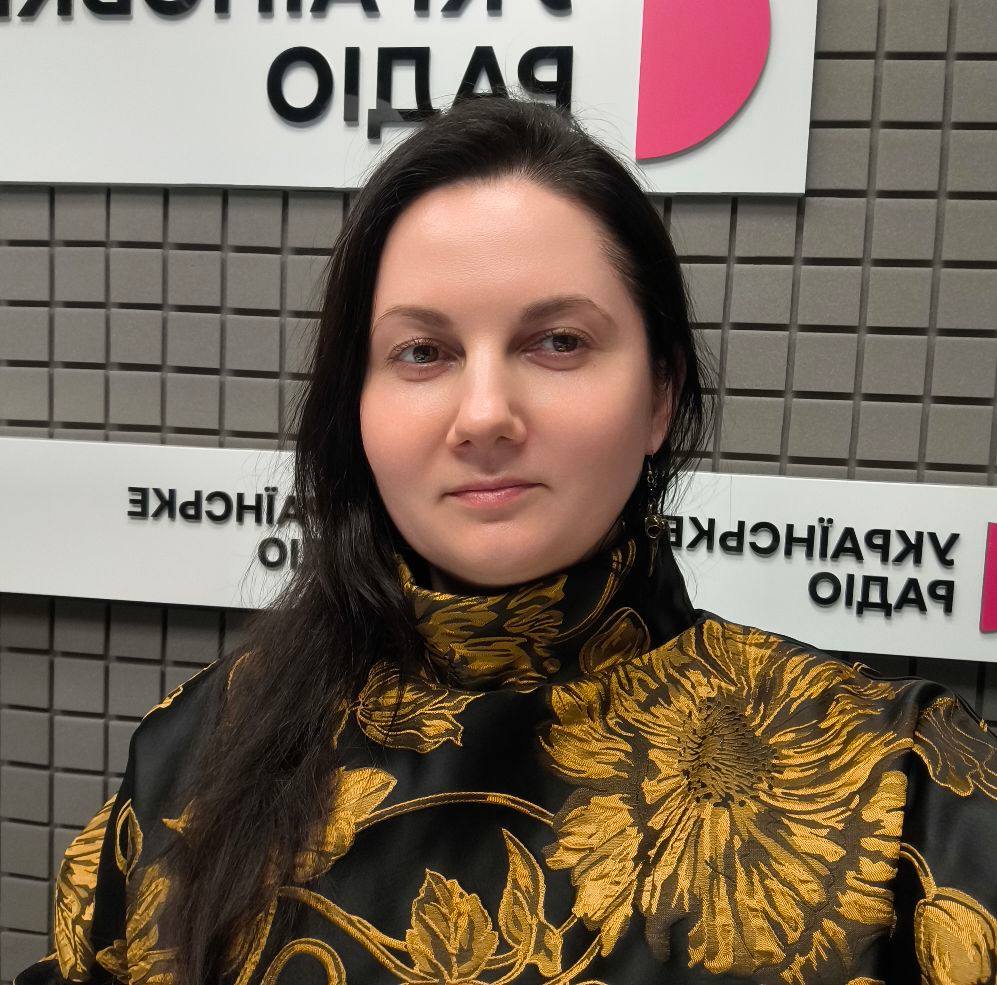
“The term Donbas is a geographical one, not a political one, and its use causes deliberate confusion,” says Valentina Troian, a Ukrainian journalist originally from the Luhansk region and a former employee of the regional public television. In an interview for the HotNews audience, the journalist tells about how the Russians intervened in the region even before 2014, when the whole world learned about the conflicts in Donbas. Now, the region is a crucial point in peace negotiations between the US and Russia.
- Valentina Troian is originally from the city of Teplogorsk, Luhansk region. Between 2007 and 2014 he worked at the State Television and Radio Company in Luhansk. In 2014 he left the occupied region, and since 2015 he has been collaborating with national media institutions in Ukraine. He currently lives in Kyiv.
– The term “Donbas” is constantly used in political discourse. Recent, Mr. Zelensky stated that Ukraine will not accept that “Donbas” is recognized as a region of Russia. What territories does this notion actually include?
– Valentina Troian: This is one of the biggest manipulations. Donbass is a strictly geographical term and means “Donetsk coal basin”. It does not coincide with the administrative borders of the Donetsk region, nor with those of the Luhansk region.
For example, Ukrainian-controlled cities such as Kramatorsk and Sloviansk are not geographically in Donbas. Instead, Donbas also includes territories from the Dnipropetrovsk region, but also part of the Russian Federation. Therefore, the political use of the term is meaningless. When you say “Donbas”, you are actually talking about parts of the Donetsk and Luhansk regions, not a clearly defined entity.
– How do you interpret the statements of President Zelensky, who says that Ukraine will not recognize “Donbass” as Russian territory?
– I think this is also where the confusion comes in. Luhansk region is not integral to Donbas. The north of the Luhansk region belongs to Slobojansk, not Donbas. I use the term “Donbas” exclusively as a geographical notion. As a political term, it is used deliberately ambiguously. What exactly Zelensky had in mind, I can only guess.
“They existed before 2014, people with pro-Russian sympathies, it's true”
– Russian propaganda states that Ukraine would have waged “war” in Donbas even before 2014. How do you remember how things were?
– There were people with pro-Russian sympathies, it is true. But I can't say that it was a majority or that there was a massive current. I was working at regional public television in Luhansk and saw clear signals of Russian interference even before 2014.
An unofficial “producer” was sent from Russia who was trying to integrate us into the Russian information space. It was not about brutal censorship, but about absurd, unnecessary or harmful tasks that had nothing to do with local reality. Many colleagues left.
– Can you give us concrete examples of what you were asked to write or say?
– At first it wasn't about propaganda. For example, we are making documentaries about drug use in the Luhansk region. It was logical for a regional post.
He (no – the Russian producer) was insisting that we do material about heroin, although that was not the real issue. It was completely irrelevant to our region. He didn't even understand that I was working in a state institution, with a budget and annual plan approved by Kiev.
One morning he told me that the plan didn't matter and that we had to go film a deputy. Everything started to fall apart. Finally, the SBU (Security Service of Ukraine – no) was notified. He wasn't fired because he wasn't officially employed, but he was removed. After the war began, he returned and became one of the curators of propaganda, with scripts and directed material.
– How were the pro-Russian protests in Luhansk organized in 2014?
– They were not spontaneous at all. People were brought organized, by bus, from various localities. It was clear: identical signs, groups marked by districts, Russian symbols. A shocking thing happened on March 9, 2014, when pro-Russian people attacked a cultural event dedicated to Taras Shevchenko (no- the national poet of Ukraine). Children were also beaten. It was not a political rally, but a cultural one. It was clearly an organized attack.
– How was the Russian invasion of February 24, 2022 perceived by the locals?
– The start of the invasion was no surprise to me. Already in February, hospitals were emptying, women and children were forcibly evacuated to Russia, under false promises. It was enormous psychological manipulation. Mobilization was forced. I know people who could not leave the house for fear of conscription. Putin's speech on February 21, with references to “denazification”, was a clear signal: not just a local conflict, but a full-scale war was coming. On the morning of February 24, I was already prepared, with a backpack, everything necessary, to leave Kiev.
“People now understand the real difference between Ukraine and Russia”
– From your observations, how has the attitude of the population changed after 2022?
– After 2022, Russia imposed tough control. Even local collaborators began to be arrested for corruption. Many entrepreneurs and farmers left. Businesses close. The territories are devastated. People now understand the real difference between Ukraine and Russia.
– There are opinions that some Ukrainians are ready to cede these territories, in order to stop the war on a large scale. To what extent does it correspond to reality and what pressure is put on Zelenskiy to give up territories in exchange for peace?
– I assume somewhere this is being amplified by bots. A thinking man would not say or believe such a thing. But let's look at the essence: what territories does Russia claim? He wants, in fact, the entire territory of Ukraine. I think the Baltic states understand very well that Russia also claims their territories.
I think that Moldova also understands that Russia wants its territory, in the sense that part of it is already occupied. It is obvious that it will not stop in Ukraine, it is simply stuck here now. If he gets the green light, he will go ahead. Part of the Dnipropetrovsk region is occupied. Part of the Kharkiv region is occupied. Russia has not included the Kharkiv region in its constitution, nor the Dnipropetrovsk region, but it is only a matter of time and it is not withdrawing from there. That is why it is absurd to even think about such a scenario.
– How do you view the US position in the peace negotiations in Ukraine and the idea of creating “special economic zones” in “Donbas”?
– Either the United States is playing in Russia's favor, or they don't understand what's happening on the ground. There is no other option. “What zone? There is already a zone there, but it is neither free nor economic. I will not formulate further, but let's draw a conclusion.
– From your point of view, as a person originally from this region, who has worked there for a long time, what would be the most correct outcome for Donbas? What exactly are you waiting for?
– First, the liberation of the territory. Second, all Russian citizens and people who consider themselves Russian citizens must go to Russia and live there. To pay fines for illegal border crossing. To pay fines for other violations of Ukrainian legislation. This goes without saying and will remain valid forever. I believe this would be a fair outcome.