Buying live carp is becoming more and more difficult. An expert reveals where to look for it


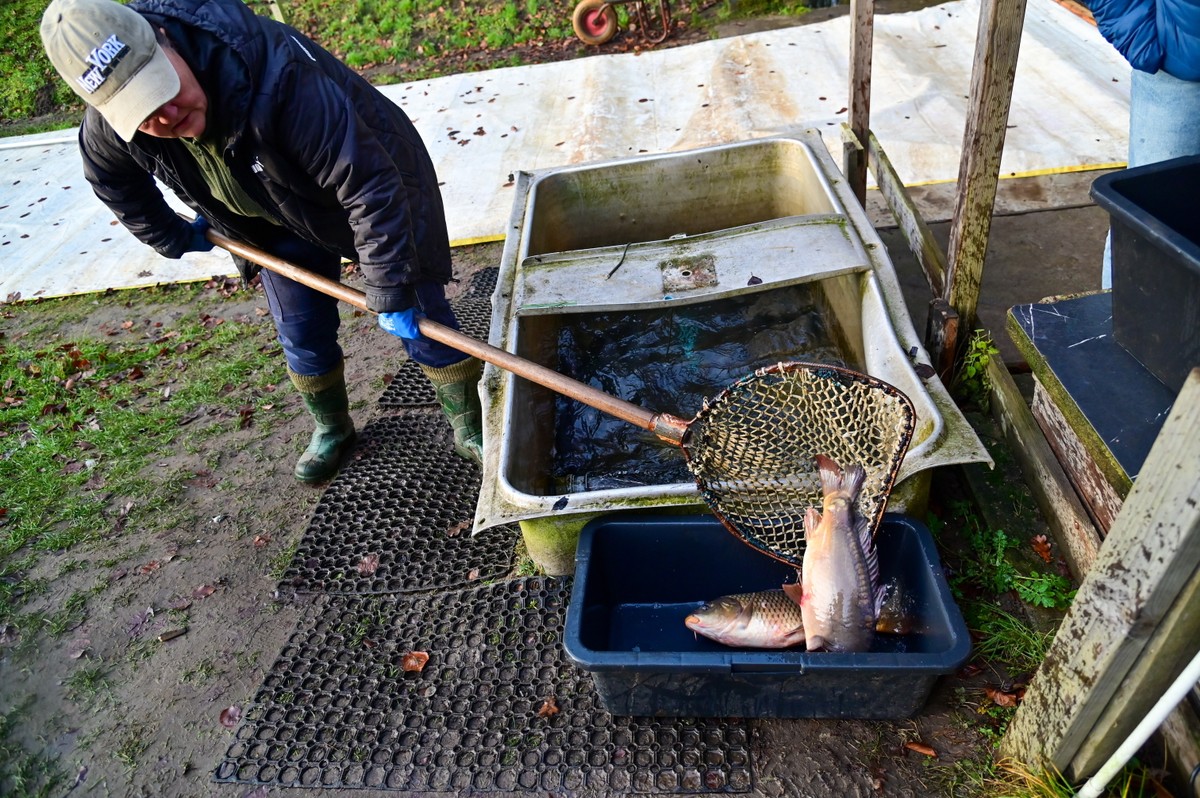
Although some customers choose carp in fillet form, many consumers still prefer fish that is still swimming. Szczepański emphasizes that interest in live carp is high, especially where breeders can supply the fish locally. “In our Society, we promote short supply chains, encouraging fishermen to invest in appropriate stands, oxygenated pools and fish gutting equipment,” he explains.
The rest of the article is below the video:
Read also: This is how much we pay for tickets during the holiday season. We especially like these directions
Live carp – a guarantee of freshness?
A study conducted last year in one of Krakow's bazaars showed that over 80 percent customers chose live carp that was gutted on site. According to Szczepański, this form of sales not only ensures freshness, but also supports local breeders. Meanwhile, retail chains that stopped selling live fish a few years ago now mainly order whole fish on ice. “Fish that is killed but not gutted quickly loses its quality and does not look good,” notes the president of the Society, adding that this approach harms the image of the industry.
Carp prices: from breeder to consumer
The prices of live carp this year have not rebounded significantly from last year's lows. Fishermen receive from PLN 12 to PLN 13 per kilogram in the case of wholesale sales to retail chains, while wholesalers in bazaars pay from PLN 15 to PLN 18. In direct sales, retail prices range from PLN 22 to PLN 28 per kilogram. Fillets are much more expensive, especially cut ones, which can cost up to PLN 60-80 per kilogram.
This year's carp production may be lower due to a cool spring that has slowed down fish growth. Last year, Poland produced 21.5 thousand. tons of carp, all of which was consumed on the domestic market. In case of shortages, fish are imported, mainly from the Czech Republic.
Southern Poland is the capital of carp
Most carp are bred in the southern part of the country, including the Barycz Valley, Silesia and Małopolska. However, breeding ponds can also be found in other regions of Poland. According to Szczepański, the future of fishing farms depends on investments in direct sales and alternative distribution channels. “Breeders should become independent from retail chains that impose low prices and terms of cooperation,” he emphasizes.
There are about a thousand fishing farms in Poland. According to the expert, their development should include not only the sale of fish throughout the year, but also catering activities, processing and agritourism. “Fishing spots for anglers, restaurants serving fresh carp and tourist attractions such as bird watching can attract customers,” notes Szczepański.
Carp in a modern version
The Fish Promotion Society “Pan Karp” also conducts activities aimed at increasing carp consumption. Last year, the “Sportowy Karp” campaign was organized, which resulted in the development of a recipe for a carp bar by scientists from the University of Agriculture in Krakow. According to research, this product could be a valuable dietary supplement, especially for athletes. However, for now the bar has not been put into production due to the lack of an investor.
The fishing industry is also planning to introduce a mobile application that would enable locating fishing farms offering fresh carp and other attractions. “This is not only a way to promote fish, but also to develop tourism in regions associated with carp breeding,” Szczepański sums up.