PHOTO A sociologist explains how Romanians' perception of the overthrow of the Ceaușescu regime, the only one in Europe that fired at its own citizens, has changed

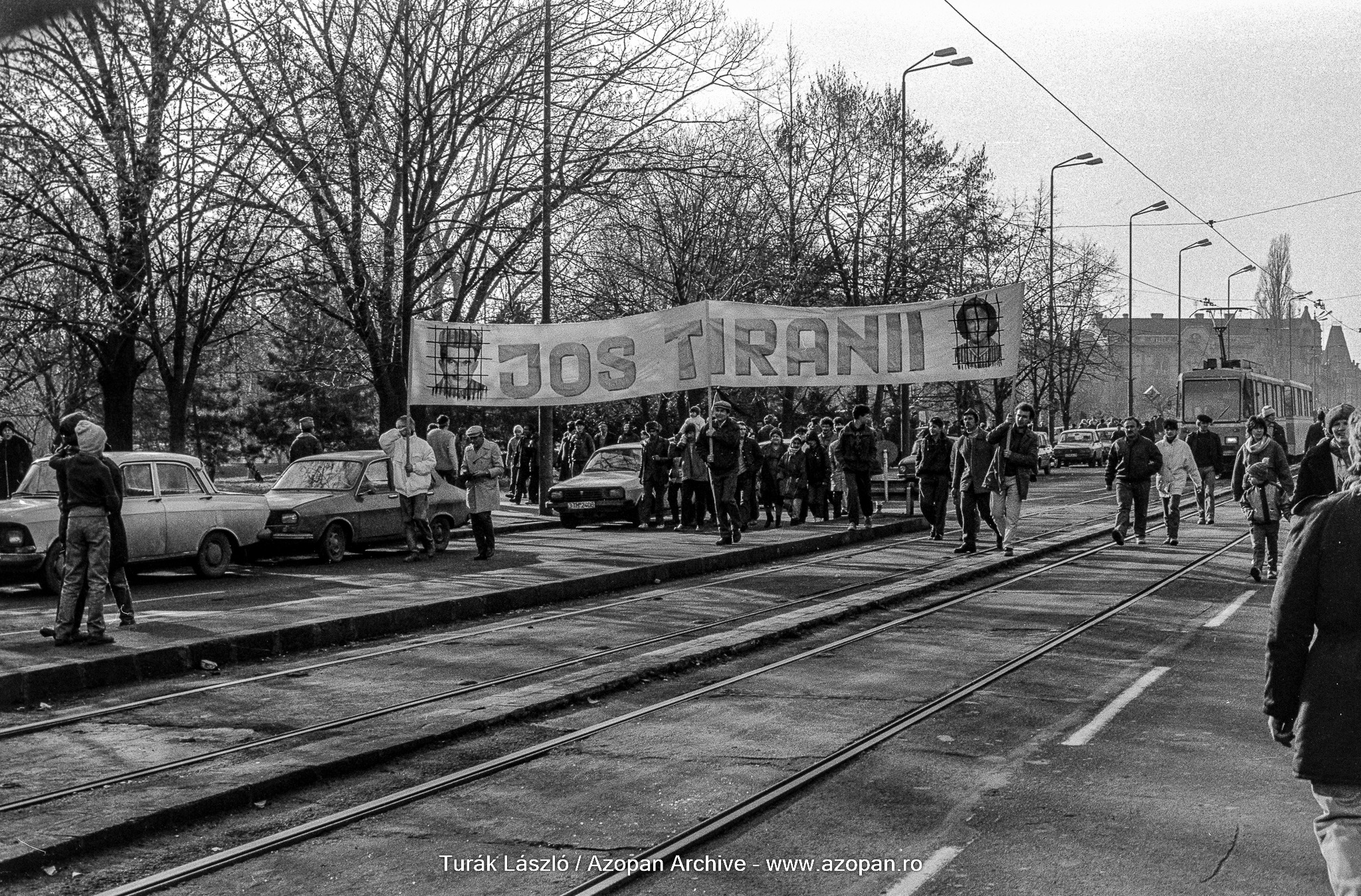
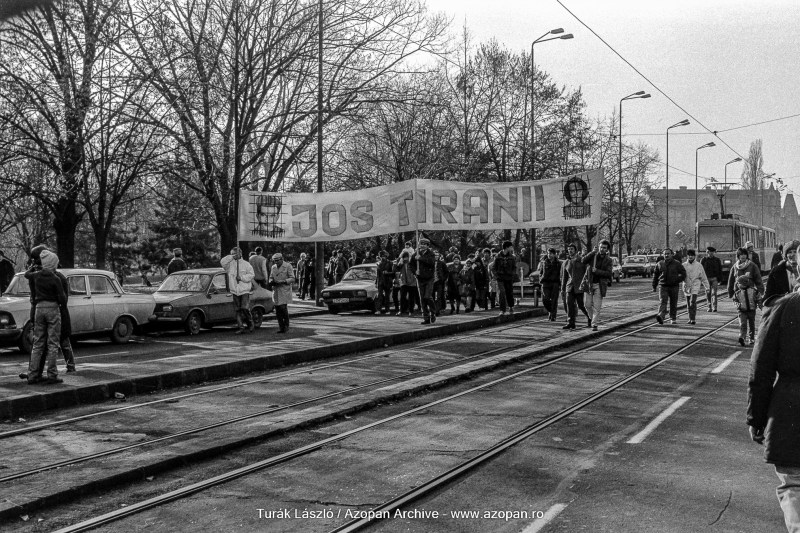
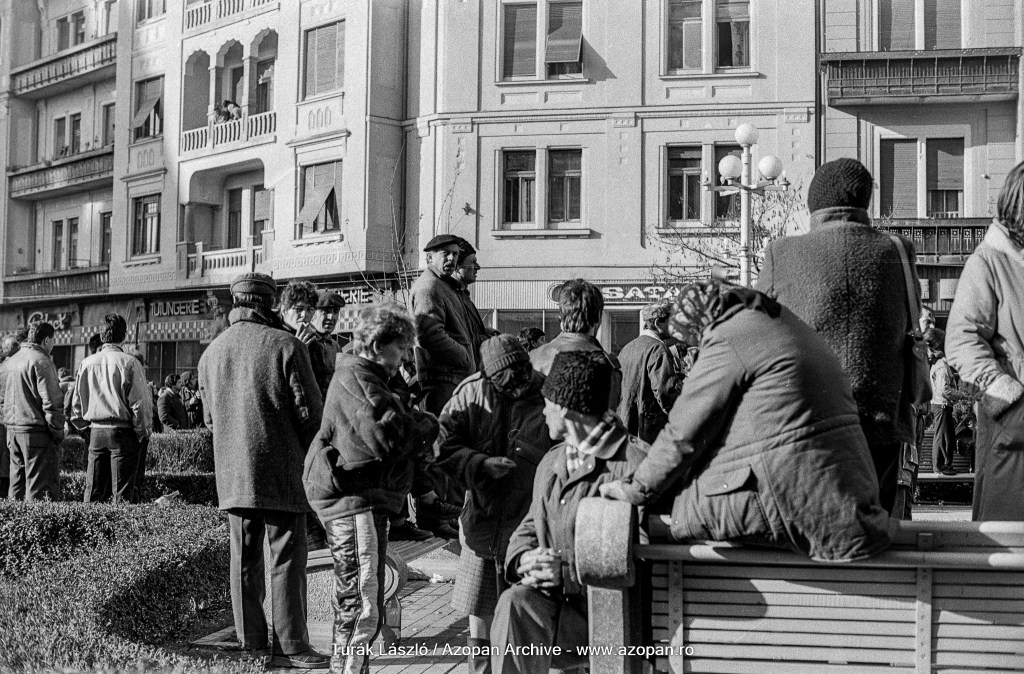
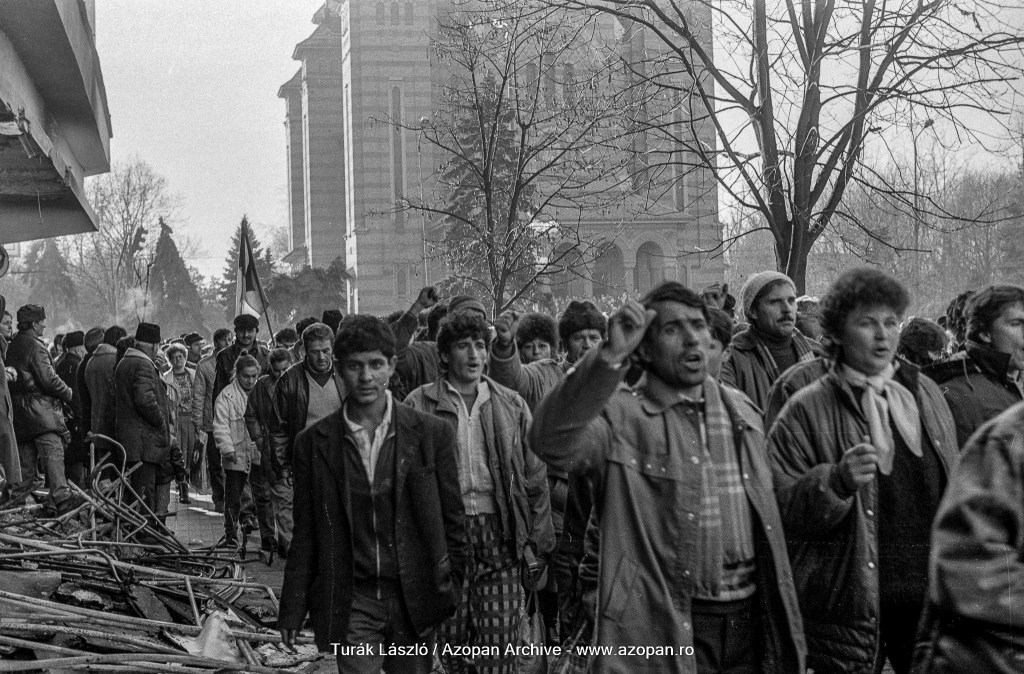
The revolution of 1989 in Timișoara Photo: László Turák via azopan.ro
Surveys conducted once every 10 years show a transformation of Romanians' perception of the events of 1989, considered by some as a revolution, by others as a coup d'état. The weight of each category changed gradually, in one direction, says sociologist Cătălin Stoica, professor at SNSPA.
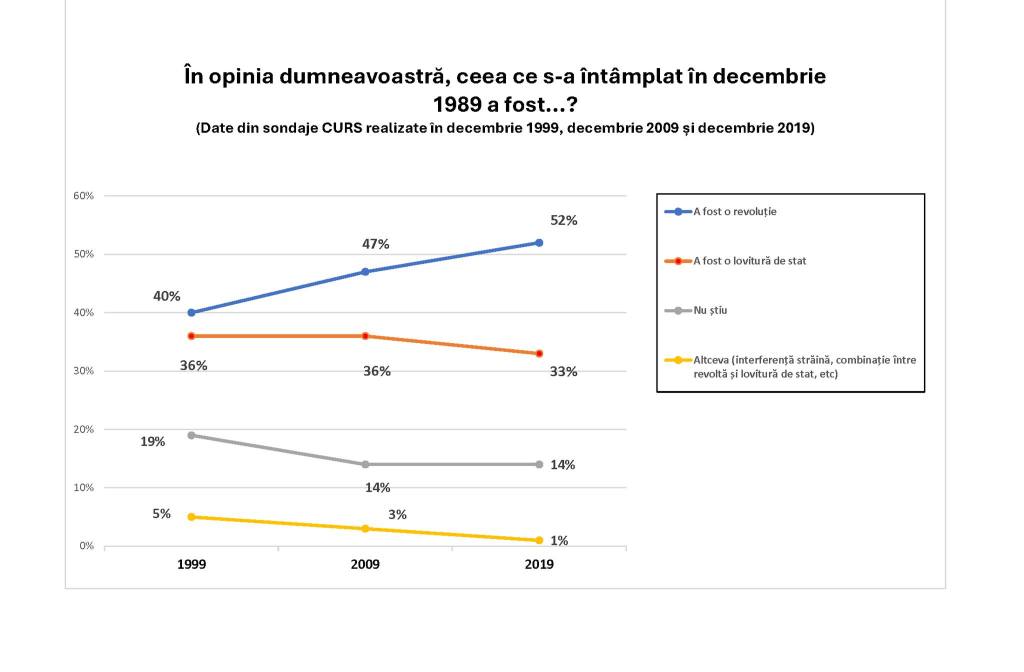
Cătălin Stoica recalls that sociologists from CURS conducted a survey in December 1999, in which Romanians were asked whether the events of December 1989 represented a revolution or a coup d'état. The survey was repeated every ten years so that the three sociological surveys show, taken together, that the share of those who believe that a revolution took place in 1989 is constantly increasing.
“In 1999, ten years after the fall of the communist regime, the data of a national survey carried out by CURS (n = 2,019 adult respondents) showed a divided society: 40% of those interviewed said that in December 1989 there was a Revolution, 36% believed that it was a coup d'état, the rest either had other explanations (combinations, conspiracy theories) or had no opinion clear”, writes Cătălin Stoica in a post on Facebook.
In 2009, the survey was repeated, and the research showed that the percentage of those who supported the Revolution version had increased to 47%, and those who went for the coup version was unchanged, at 36%.
In 2019, 30 years after December 1989, the third survey showed that 52% of respondents believed that December 1989 was a Revolution, and 33% spoke of a coup d'état.
The sociologist states that polling data showed that the coup version was generally supported by people with below-average incomes, men, those with lower levels of education and the elderly. “The elderly and people with below-average incomes were, moreover, the hardest hit by the post-communist transition,” comments Professor Stoica.
“In other words, how people interpret December 1989 is not only about 'historical truth', but also about the current social position, life experiences and how the post-communist transition was experienced at the individual level,” he added.
A second conclusion is that, as 1989 recedes in time, the version of the revolution gains ground, one of the possible factors being the gradual disappearance of a part of the direct witnesses of the events.
“Studies on collective memory show that what we remember from the past and how we remember the past are deeply influenced by the present: by current living conditions, public discourses and the way new generations were told about the year 1989. Memory is not something fixed. It changes with society – and often says as much about the present (or even more) than it says about the past”, concluded Cătălin Stoica.