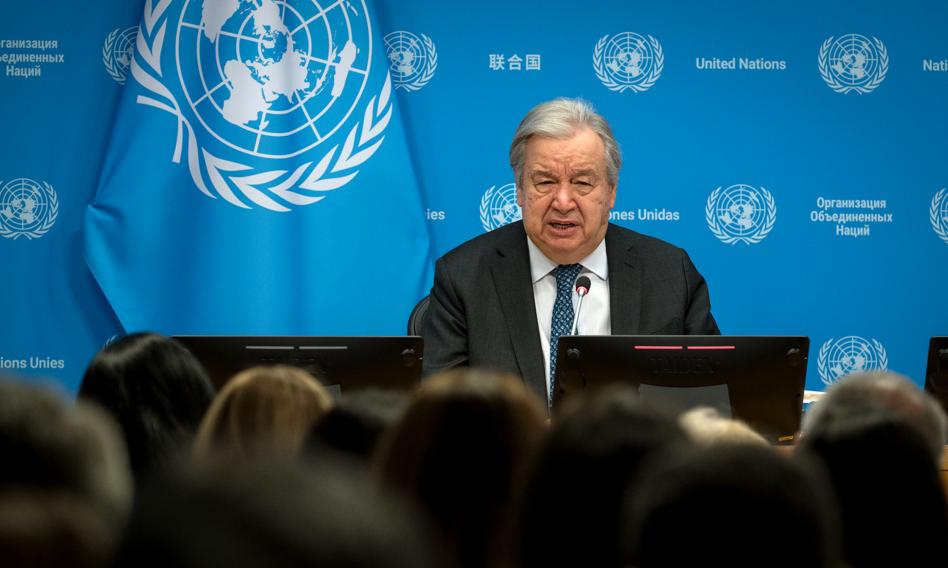
The leaders of the EU member states decided to provide financial support to Ukraine for the next two years. The loan is to be financed from common debt guaranteed by the EU budget. However, the Czech Republic, Hungary and Slovakia refused to participate in this commitment, said the President of the European Council, Antonio Costa.
Read also: EUR 90 billion loan from the EU to Ukraine. This is how much EU solidarity may cost us
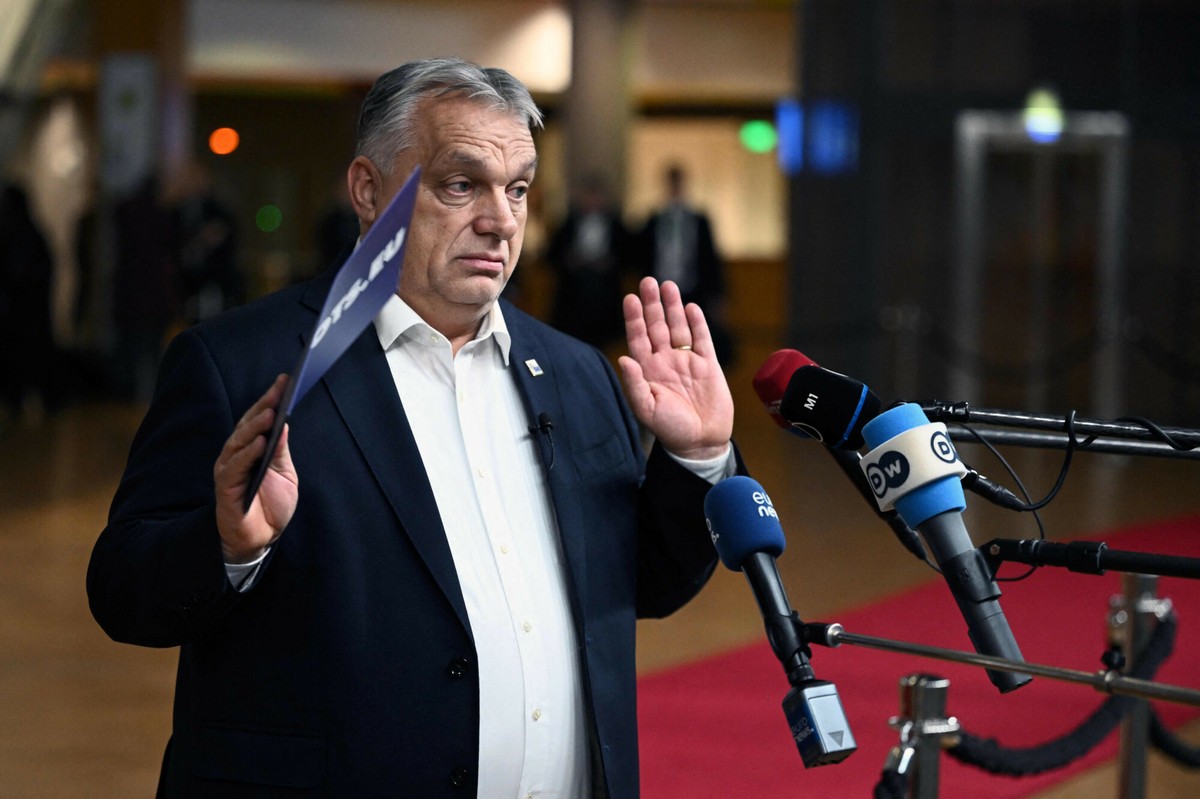
Hungarian Prime Minister Viktor Orban justified his decision by claiming that Ukraine would not be able to repay the loan, which meant that the burden of repayment would fall on member states. “The loser always pays” – said Orban. He also added that by providing financial support to Kiev, the EU has “set itself on a course where Russia must be defeated.”
Orban's controversial statements
The Hungarian Prime Minister emphasized that Western politicians “calmly drink coffee and think how wonderful and morally right it is to help a small country that has been attacked – although of course it is not that small and it is not even clear who attacked whom.” These words caused outrage among many European leaders who unequivocally condemn Russian aggression against Ukraine.
However, during the summit in Brussels, no agreement was reached on the use of frozen Russian assets for Ukraine. Opposition was expressed, among others, by Hungary and Belgium, where most of these funds are deposited. Belgian Prime Minister Bart de Wever demanded unconditional guarantees from member states to secure these assets.
See also: USA “doomed to Europe”. Trump didn't predict everything about the EU [ANALIZA]
Orban: without the right to veto, there is no point in staying in the EU
During Friday's meeting, Viktor Orban strongly defended his veto power in the European Union. “The right of veto is an important and useful power, without which there is no point in remaining in the EU” – he said, quoted by MTI news agency.
According to Orban, depriving nation states of this opportunity on key issues would lead to the transformation of the EU into an “empire”. As he noted, this would be a threat not only to the sovereignty of member states, but also to their economies. “I have never seen us prosper as part of an oppressive empire,” he concluded.