Every year Gihei Fujiwara goes to the mountains to collect pine sponges (matsutake). If the harvest is poor, the wholesale price of pine sponges can exceed $500. per kilogram. Over the last 70 years, harvests in Japan have declined by more than 95 percent. Currently, the future of this mushroom is uncertain.
Read also: Why are they putting a sock on her? This unusual stage of capocollo production is surprising
What makes pine sponges so expensive? And why have they almost completely disappeared?
Pine sponges cannot exist without trees. They grow in symbiosis with red pine roots.
Pine sponges grow in several countries, including China and South Korea. However, it is the Japanese ones that command the highest prices.
In 2021, the first pine sponges of the season were sold at auction for over $7,000. They are collected once a year – from September to November.
Japan's domestic harvest has plummeted, so the price is unstable. Unlike other valuable foods, it is not a matter of overharvesting. It's a matter of the changing natural environment.
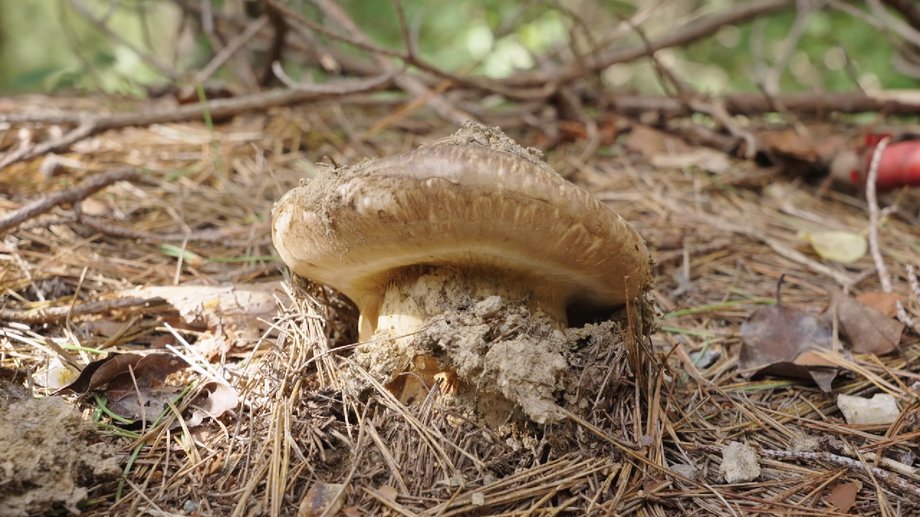
Pine sponges must be collected by hand
|
Business Insider
Pine sponges cannot be grown on farms, they must be harvested by hand. However, this is not an easy task. Gihei Fujiwara has been collecting pine sponges for over 60 years. Each harvest season raises many expectations.
Our earnings level often fluctuate. During bad years, I can only harvest mushrooms that I watered myself. Sometimes it happens that autumn temperatures are too high, which is not favorable for mushrooms. These are difficult times in life
– admits Gihei Fujiwara, a mushroom picker.
Gihei picks mushrooms from dawn to dusk, and around noon he returns home to empty the baskets. Even someone with his experience may have trouble predicting the quality of the harvest.
Everyone said this year would be good. However, the quality of the harvest is not very good. Due to high temperatures, insects caused more damage than usual
says Gihei.
Read also: Mud crabs are the culinary gold of Asia. Now they are in danger of extinction
What does a collection of pine sponges look like?
Even with good harvests, these mushrooms are difficult to find. They blend into the forest floor and often do not grow on the tree trunk. Knowing where to look for them is the result of decades of mushroom picking in these mountains.
— It is impossible to tell which trees are infected with the fungus by looking at them from the outside. The best place for pine sponge to grow is a place where people can rest comfortably. Where a pleasant wind blows and the sun shines through the trees. It's nice for me that I can go to the mountains, do whatever I want, and at the same time I can feed my family. I could do this job for a long time, Gihei admits.
It is exhausting work, but today Gihei is rewarded. He fills his baskets several times. However, his work does not end when the harvest ends. In the off-season, Gihei returns to the mountains and tries to grow pine sponges.
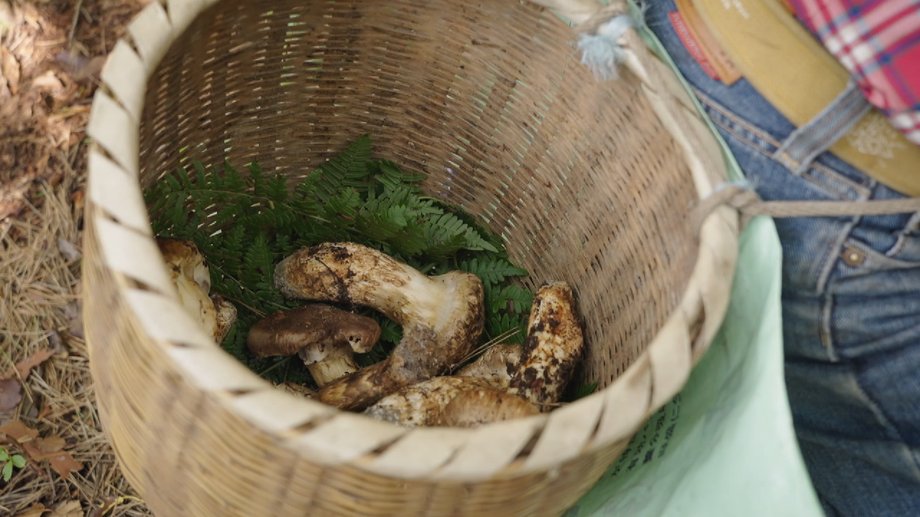
These mushrooms cannot be cultivated
|
Business Insider
— I'm working on what I think is right. For example, if I feel they need a little more light, I prune the branches. I also collect fallen leaves, explains the collector.
Gihei also tries to spread the spores of the fungus to help them grow. However, growing pine sponge in this way takes about five years and there is no guarantee of success.
Even though this year's harvest was plentiful, the long-term trend is downward. In 1953, approximately 6,400 tons of pine sponge were collected in Japan. However, in 2019, only 14 tons were collected. One of the main reasons for this decline is the change in forest use.
There is no one who would go to the mountains to take care of the forest. That's because no one uses firewood anymore. In the past, people used it to survive. At the same time, they also took care of the mountains. Currently, firewood is not needed. By collecting leaves and other materials, the mountain is cleansed. This allowed more mushrooms to grow in the past
– he explains.
Read also: It tastes like the nectar of the gods. We discover the secret of the best olive oil in the world
Prices of pine sponges have skyrocketed
Pine sponge grows best near red pines that are several decades old. For the past century, however, an invasive pest called the pine woodworm has been harming the growth of red pines throughout Japan.
Without these trees, the pine sponge will not be able to survive. Mushrooms also need heavy rainfall and low temperatures early in the season.
All these factors create a delicate balance for the pine sponge. Harvests vary greatly from year to year, which causes large price fluctuations. In 2018, prices were up to half lower than in the previous year due to a good harvest.
However, in 2019, when there was a period of drought, prices almost doubled, reaching over $800 in some parts of Japan. per kilogram.
When harvests are poor, prices can be exorbitantly high. Prices have been constantly rising over the last 10 years
– admits the collector.
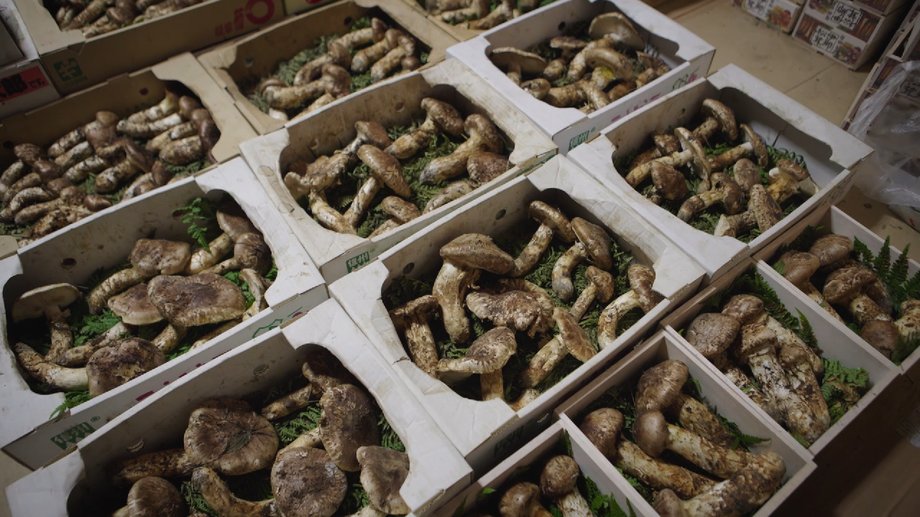
The Japanese pay a fortune for this mushroom
|
Business Insider
Currently, Japan imports over 90 percent. pine sponges from countries such as China and South Korea. In 2019, only about 14 of the 1,000 tons of mushrooms consumed were harvested domestically.
Imported pine sponges are cheaper compared to those grown in Japan. However, some people believe that these mushrooms are less fresh and not as tasty. Pine sponges with a closed cap are often considered the most valuable. However, different sizes of mushrooms are used for different dishes.
— I use large mushrooms for sukiyaki. I grill 15 cm mushrooms. I use these for sushi. And those for the soup – Shigeko Takematsu, owner of the Takematsu inn.
A set dinner at this inn costs about $130.
-It's not something you eat often. Once a year we waste money and eat pine sponges when these mushrooms are in season. This gives our family nice memories, says one of the customers.
For the Japanese, pine sponges are like an autumn extravaganza. It's something they like to eat at least once a year.
Due to declining harvests in 2020, pine sponges were included on the “endangered” species list. However, this species is not extinct yet.
It is important to take care of pine trees and mountains. We need to create an environment that is friendly to pine sponges. They do not like too much sun, but the sun's rays must fall on them through tree branches
– Gihei admits.
However, if its growth and environment cannot be maintained, this legendary mushroom will not become cheaper any time soon.