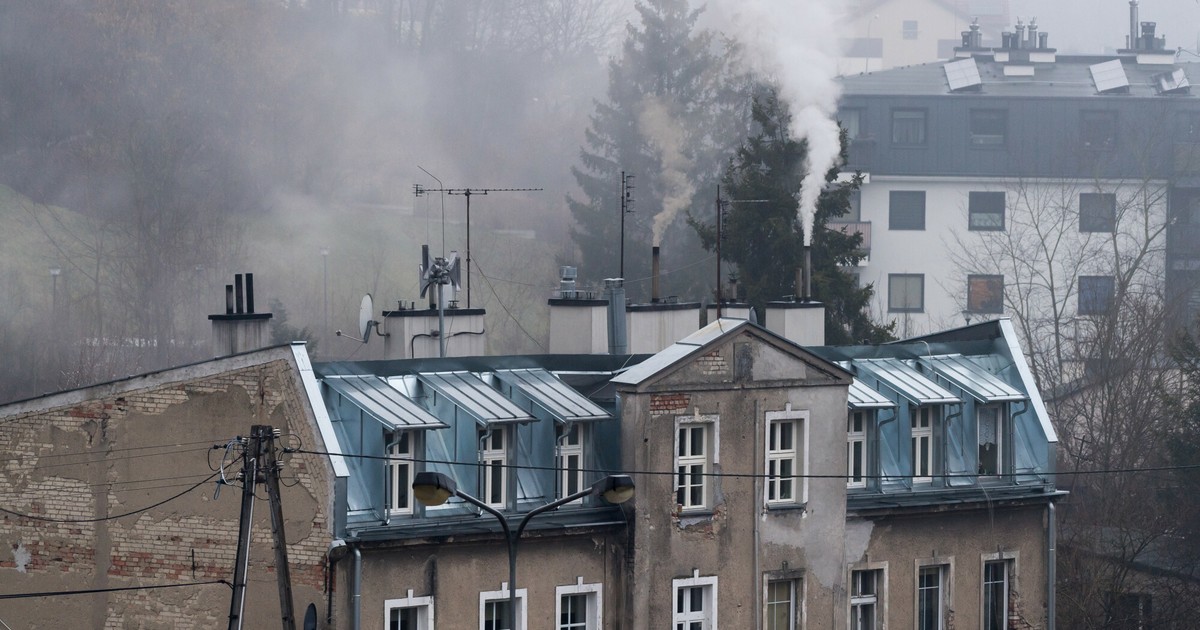
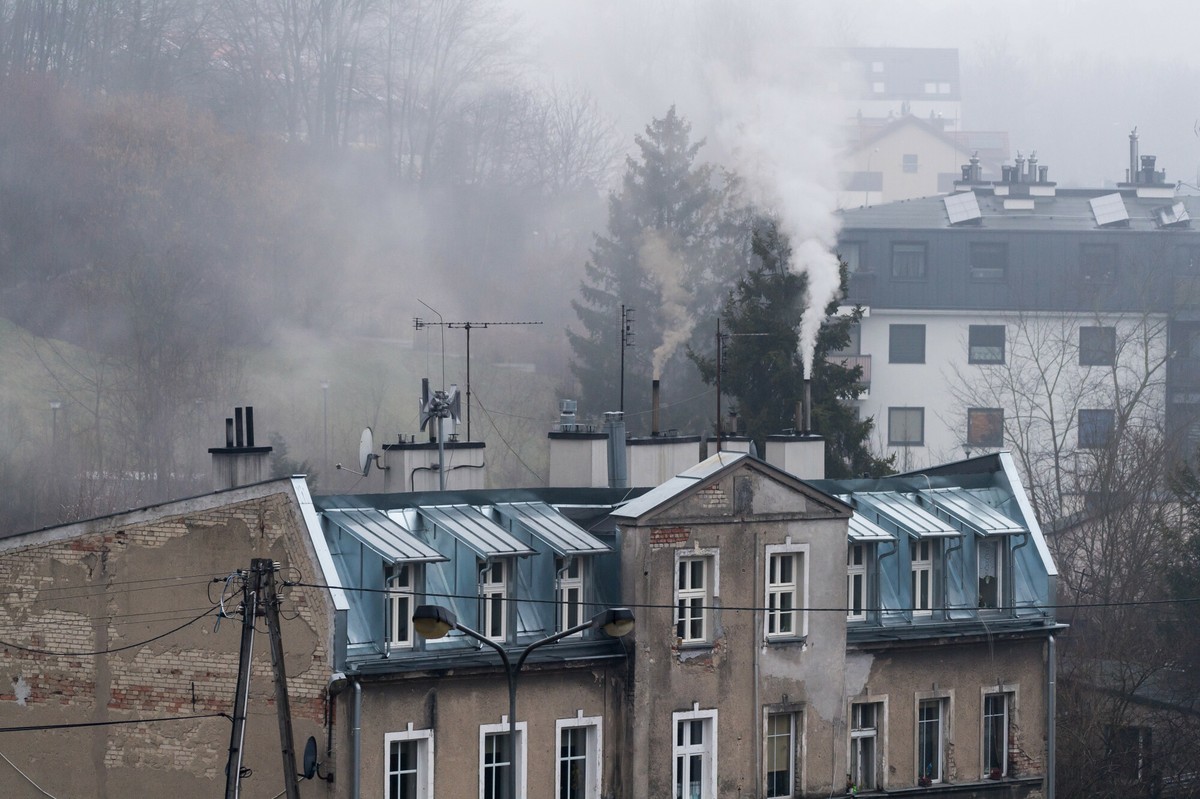
Clean air, a program that was created primarily to fight smog, and over time became a flagship project for thermal modernization and replacement of heat sources in single-family houses, has been in crisis for a long time.
The rest of the article is below the video:
After a sudden suspension in November last year and reactivation in spring, the number of submitted applications dropped dramatically. A brand previously well associated with its successful track record began to face the threat of an image tragedy. In Business Insider, we described the situation of beneficiaries obliged to return the funds they lost to fraudsters, but also of hundreds of companies left without money for the work performed.
Read also: Contractors about congestion in Clean Air. “Scandalous situation”
There is supposed to be relief for the beneficiaries
Some of these problems may now be solved. Following earlier announcements, on December 10, the government's list of legislative works included an entry on the draft act on assistance to beneficiaries – natural persons injured in connection with the implementation of the Clean Air program.
The project prepared at the Ministry of Climate and Environment has one primary goal – to suspend the financial obligations of beneficiaries in justified situations, especially when irregularities in the issuance of subsidies were not their fault.
In other words: beneficiaries who were duped by criminals who were supposed to do the work but did not do it or did it with obvious errors will not have to pay back the money they received.
About the bill for our editorial office in the Onet Morning Finansowo program said Robert Gajda, vice-president of the National Fund for Environmental Protection and Water Management.
According to the Ministry of Climate, until now there was no legal basis to recover the amounts due from contractors – the parties to the contracts with the provincial funds for environmental protection and water management were the beneficiaries. The planned act is intended to solve this problem.
Claiming refunds from contractors
Obligations regarding beneficiaries' receivables may therefore be suspended as long as the interests of the provincial funds for environmental protection and water management, which pay out the funds, and the National Fund for Environmental Protection and Water Management, which supervises the program, are secured.
It will be possible to seek refunds from contractors, including refunds of advances paid directly to them. In criminal fraud trials, provincial funds are to gain the status of the injured party (along with the beneficiaries), thanks to which the courts will be able to impose an obligation to compensate the damage.
In some situations, suspending the activities of provincial funds towards beneficiaries (i.e. waiving the recovery of funds) will be mandatory.
These are cases of submitted notifications about the possibility of committing a crime in which the contractor was to benefit from funding, or criminal proceedings that have already been initiated. The receivables may be fully waived if the failure to complete the contract for renovation or replacement of the heat source was solely due to the contractor's fault.
Where the money cannot be recovered from either the beneficiaries or the contractors, the National Fund will cover the losses, primarily by selling its Treasury securities. “This will be an expression of state subsidiarity for people who are in a very difficult situation that has arisen without their fault,” says the Ministry of Climate.
All provisions regarding the suspension or cancellation of receivables apply to contracts concluded under Clean Air until November 28, 2024, i.e. until the program is stopped. The project also allows for relief in the repayment of debts. Its adoption by the government is scheduled for the first quarter of next year.
Harmed by funds
We asked Piotr Siergiej, spokesman for the Polish Smog Alert – an organization that drew attention to the low number of applications for Clean Air after its resumption, compared to previous years. According to the activist, the regulations being prepared have an important loophole – they omit a whole group of people who should also be entitled to help.
— In addition to the direct victims of fraudsters, many beneficiaries were harmed by provincial funds for environmental protection and water management. I know cases of people who were forced to return the entire subsidy amounting to several tens of thousands of zlotys only because the number of windows replaced was incorrect by two in the investment settlement, says Sergei.
According to the spokesman for the Polish Smog Alert, the funds often acted on a discretionary basis, not accepting settlements in the event of even minor errors or misunderstandings.
— Requests for returns appeared, for example, when there were a few centimeters more of the Styrofoam used to insulate the house. — gives an example.
— Beneficiaries received administrative decisions requiring refunds, and some cases were referred to the prosecutor's office — he adds.
The regulations were retroactive
The freedom to interpret the regulations was also supposed to result in some provincial funds imposing on beneficiaries and contractors retroactive application of regulations.
— After the revival of Clean Air, a table of unit costs appeared in the program to eliminate high-profile cases such as doors costing PLN 40,000. zloty. The idea was right and it was good that such a list was created – the costs of materials and components should be unified. The problem is that many contractors found out about the table after some time, because no one informed them about it, and they started enforcing it without any notice. — explains Piotr Sergei.
The spokesman argues that the discretion and diversity of interpretations regarding the rules applicable in Clean Air are the key weaknesses of the program – both before and now.
— The National Fund has sent certain guidelines to provincial funds, but in practice the same applications may still be accepted in one voivodeship but not in another. Sometimes the same company can carry out an investment in commune A, but not in commune B, which “belongs” to another fund, says Sergey.
As he states, the act being prepared solves only some of the old problems (although without taking into account the beneficiaries harmed by the funds), meanwhile the program includes many current ones.
We've already picked the low-hanging fruit
The context of the perturbations in Clean Air is, among others, the negotiated Poland's delay in the entry into force of the ETS2 system. The extra year we have gained should be time for better preparation for charges for emissions in households, i.e. for increased thermal modernization campaigns and the installation of clean heating sources. According to Pyotr Sergei, the current situation does not allow for optimism.
Read also: How much will we pay for heating and fuel? “We talk about micro-enterprises too rarely”
— The number of applications today reaches approximately 1,000. weekly. Compared to 5 thousand a year ago it was a collapse. Companies do not want to enter Clean Air because they are afraid of discretion and long waits for funds that will not necessarily be paid. As the thermal modernization process progresses, it becomes more and more difficult; we have already picked the “low-hanging fruit”, and the houses waiting for renovation and boiler replacement often belong to poorer and less prepared people. A lot needs to be changed, the spokesman sums up.