500 experts took a closer look at the world. They predict what will happen in Europe and Poland in 2026. [ANALIZA]


Experts assessed the potential risk to the EU taking into account two key factors: the possible impact of the event on Europe and the likelihood of its occurrence.
The conclusions from their analysis were collected in a report by the European University Institute – a renowned international organization established under a special Convention in 1972 by the member states of the European Communities.
The results emerging from this study shed completely new light on our security situation – and should give food for thought to decision-makers in Poland and the entire European Union.
According to experts, the most likely threat to the EU in 2026 is: serious attacks on EU critical infrastructure.
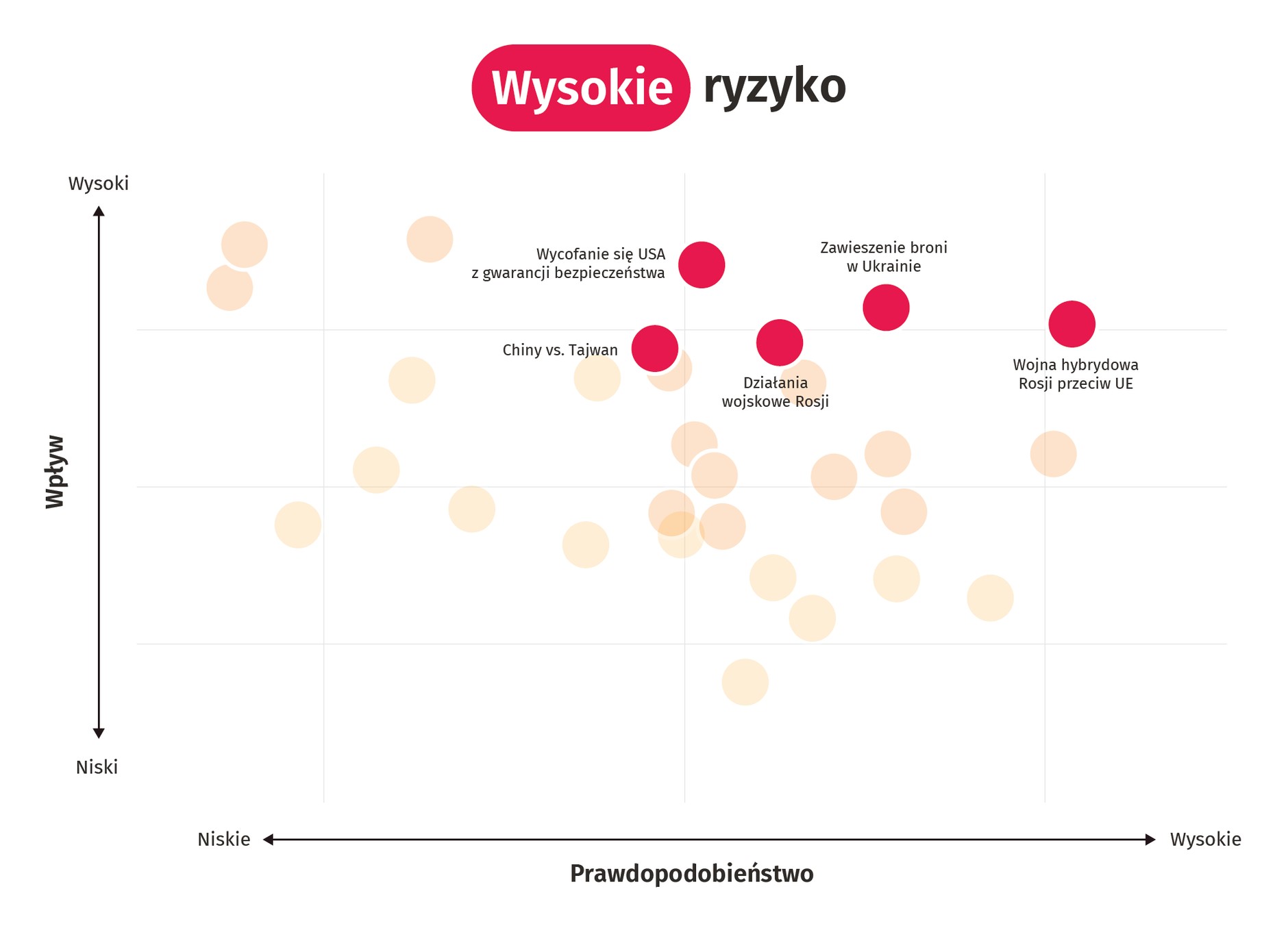
Processes with a high risk for EU securityOnet
Over the past years and months, we have witnessed many disturbing events, including in Poland, such as:: :
According to experts, it may potentially have the greatest impact on Europe escalation of hybrid war. When it comes to attacks on EU critical infrastructure, Russia's actions include sabotage of undersea energy and internet connections and disruptions in the functioning of energy networks.
Experts expect that Russia and other autocracies (including China, Iran, North Korea) will continue to test key European installations. Analysts doubt whether current EU resilience measures are sufficient.
The risks Europe faces include a combination of military operations and attacks on energy, digital and transport systems. As experts write, deterrence and defense do not depend only on the readiness of the army to counteract these threats, but also on the ability to counteract them and quickly repair any damage.
The EU's security is directly threatened by a potential Russia-Ukraine peace agreement that would perpetuate Moscow's territorial gains, reward aggression and undermine Ukraine's long-term viability as a sovereign, democratic state. Peace on Russian terms would also send a signal that the EU is unable to shape its own security environment or deter future threats from Moscow.
When it comes to conflict between NATO and Russiathe EU must prepare for the likely withdrawal of the United States from security guarantees provided to allies in Europe. The recently published US security strategy sheds new light on this issue.
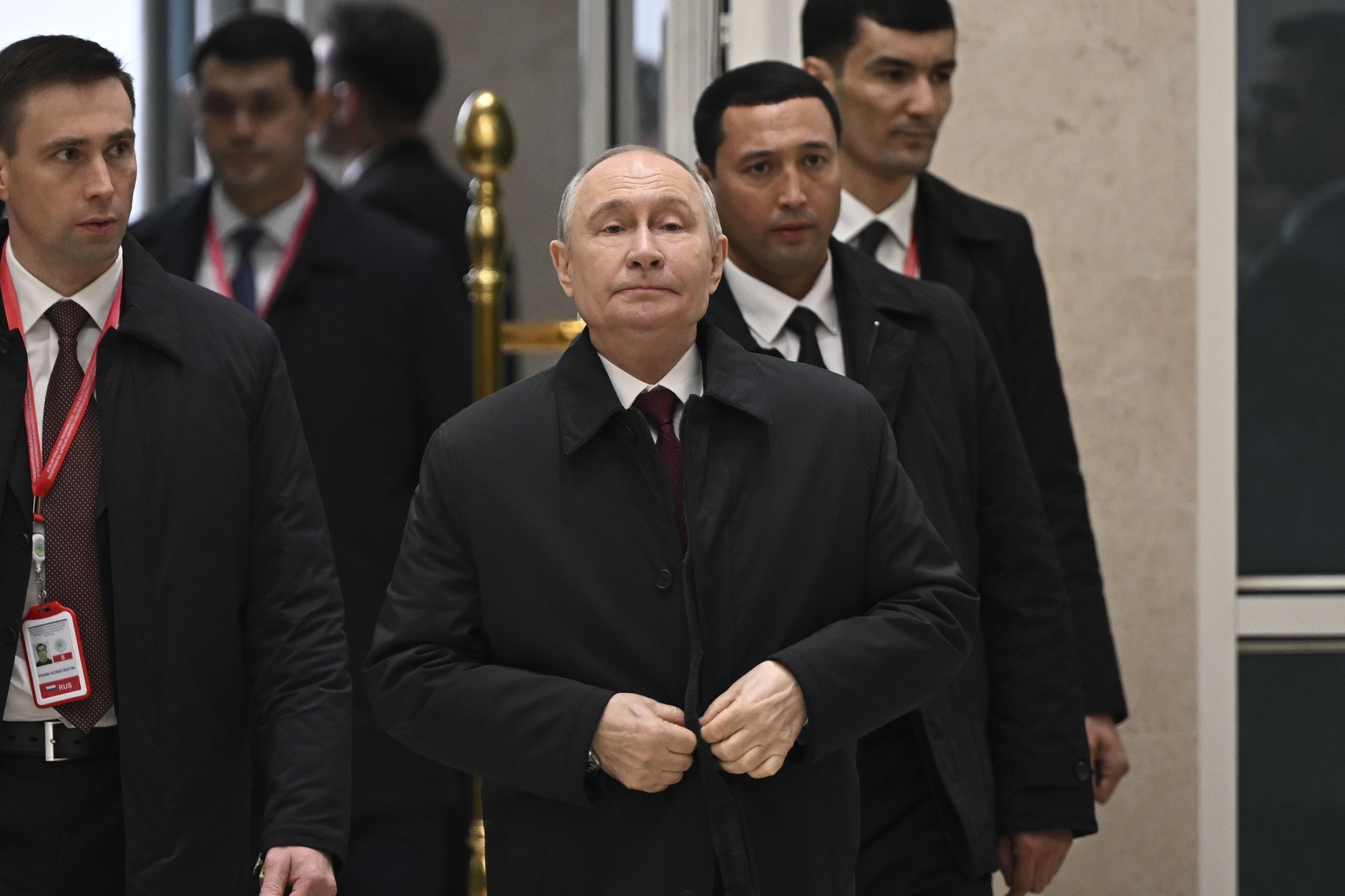
Vladimir PutinDogukan Keskikilic/Anadolu via Getty Images / Contrubutor / Getty Images
The results of the analysis indicate that UE is most exposed not to single acts of war, but to overlapping shocks, that undermine the entire international security system.
Medium Risk
Most of the processes below are assessed as probable but less significant for EU stability.

Processes with a medium risk level for EU securityOnet
- New challenges are particularly important for the EU Russia's aggressive actions towards its non-NATO neighbors — experts mention Moldova and Georgia in this context. Such a scenario may destabilize the close neighborhood of the North Atlantic Alliance and create new challenges for the allies.
- War in the Pacific — experts consider an open clash between China and the United States to be unlikely, despite the high risk of conflict between China and Taiwan. US involvement in this dispute would distract Americans from Europe.
- Palestine, Israel and Iran — experts do not predict a lasting ceasefire between Israel and Hamas. They also expect a similar risk of escalation of the conflict between Israel and Iran. These regional disputes affect the political stability of the EU's immediate neighborhood, increase the risk of migration and distract Europe from the war in Ukraine.
- Houthi movement — Due to the renewed risk of a conflict between Israel and Hamas, it is possible that Yemen's Houthis, who have been firing at ships crossing the Red Sea for months, may become involved in the dispute. The activities of this organization destabilize trade in Europe's immediate environment.
Too organized crime related to drug trafficking in the EU has been classified by experts as medium risk. The situation includes: in Brussels remains tense.
Moderate risk
The world is becoming an increasingly unstable place. According to analysts, not all conflicts and processes have a significant impact on the EU's security.
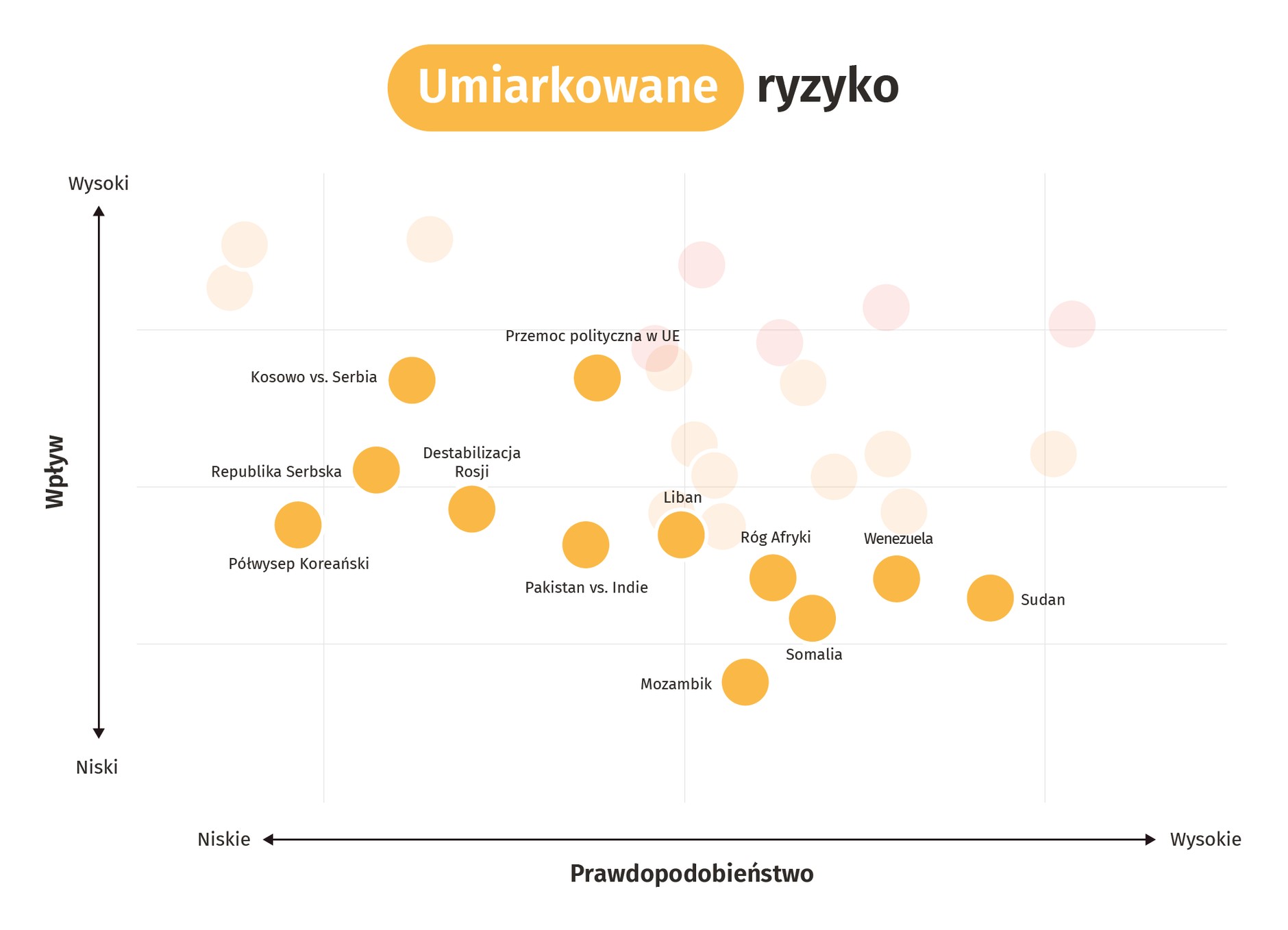
Processes with a moderate level of risk to EU securityOnet
The civil war in Sudan, which is the world's worst humanitarian crisis, the collapse of statehood in Somalia and the brutal conflict in the Horn of Africa are threats that experts consider very likely but with a moderate impact on Europe. However, they may be important in the context of increasing migration. The EU has sought to remain active in Sudan, taking so far ineffective action to prevent ongoing human rights violations.
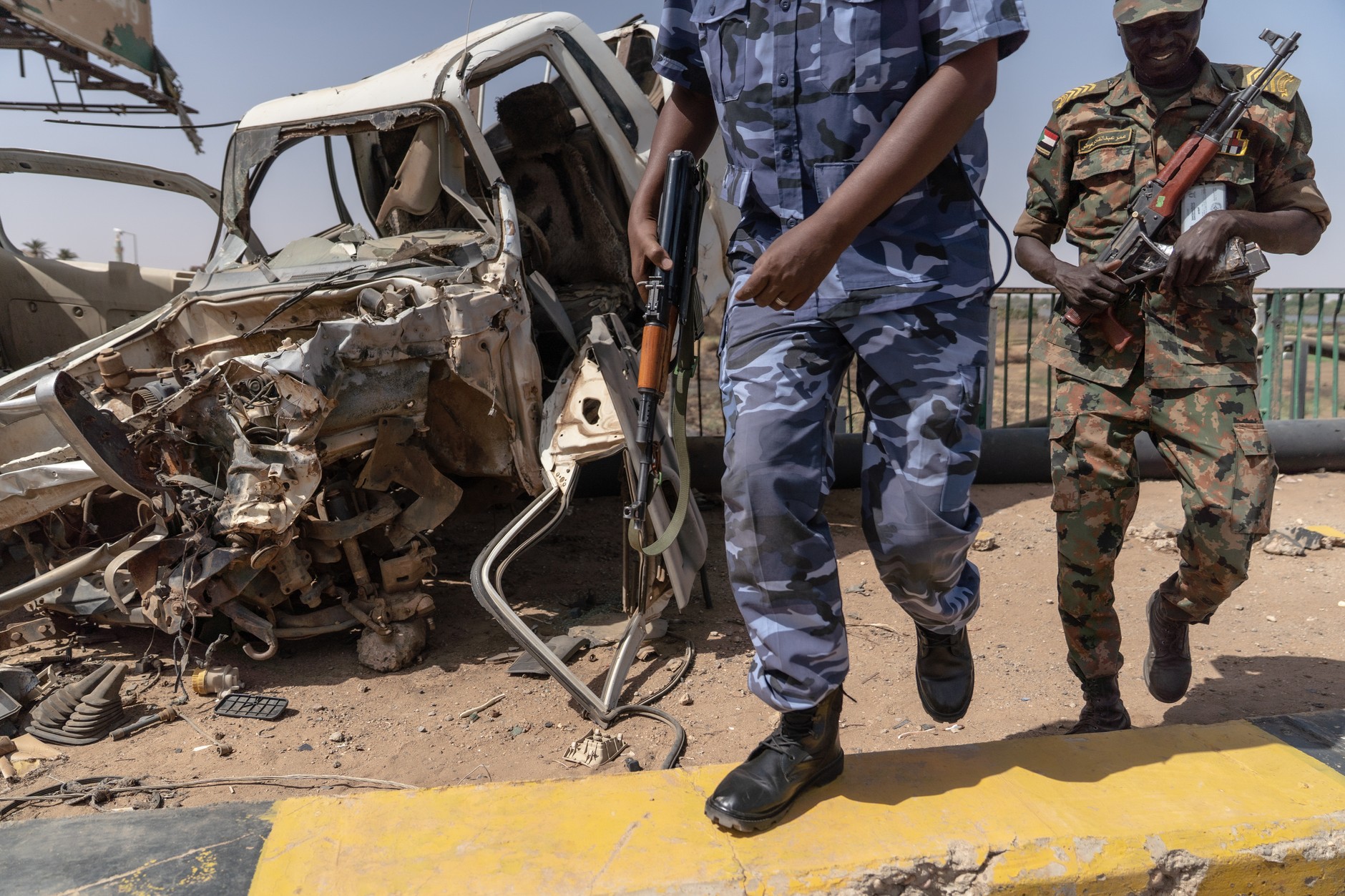
A damaged car as a result of fighting in Khartoum (illustrative photo)Giles Clarke / Contributor / Getty Images
The resurgent Somali organization Al-Shabaab and growing tensions related to the May 2026 elections indicate a real danger of further conflicts.
The collapse of the state in Lebanon, renewed violence in Libya and Mozambique – where the EU conducts a military mission in support of the Mozambican armed forces – as well as the confrontation between Pakistan and India and the war on the Korean Peninsula – all of these are considered by experts to be distant threats to EU security in 2026.
For the EU, it is the main threat a deepening security vacuum that undermines years of investmentis fueling instability in the region and testing Europe's credibility as a long-term security and state-building partner. Experts expect violence to continue or intensify in several of these regions, but predict only limited direct spillovers for the European Union.
A potential conflict in the Western Balkans, closer to EU territory, whether as a result of renewed confrontation between Kosovo and Serbia or Republika Srpska's secessionist drive in Bosnia and Herzegovina, ranks lower in both probability and impact.
This downgrade suggests that experts increasingly see the EU as having to move away from involvement in local crises. Analysts see the role of the European Union as a geopolitical entity in the arena of great powers.
President of the European Commission, Ursula von der LeyenThierry Monasse / Contributor / Getty Images
The main challenges come from world powers: Russia, China and the United States.
***
The analysis was conducted by the Center for Advanced Studies. Robert Schuman Institute (RSCAS) at the European University Institute (EUI) in cooperation with the European Union Institute for Security Studies, the European Union Institute for Security Studies (EUISS), the Trans-European Policy Studies Association (TEPSA) and the European Initiative for Security Studies (EISS).
***
The Onet editorial team presents various points of view regarding the possible development of the situation in Ukraine and Russia's aggressive actions towards NATO countries. The above material is one of them.
We would like to point out that it cannot be predicted that there will be a military attack by Russia on Poland or another NATO country. The war in Ukraine is a challenge for the Russian army and economy. It is unlikely that while fighting the Ukrainians, Vladimir Putin would also decide to confront NATO, which would be incomparably more costly for Moscow – militarily, financially and politically. It should also be remembered that neither Russia nor the Soviet Union ever directly attacked a NATO country.
Below are some analytical texts by our expert Witold Jurasz, devoted to Poland's security: