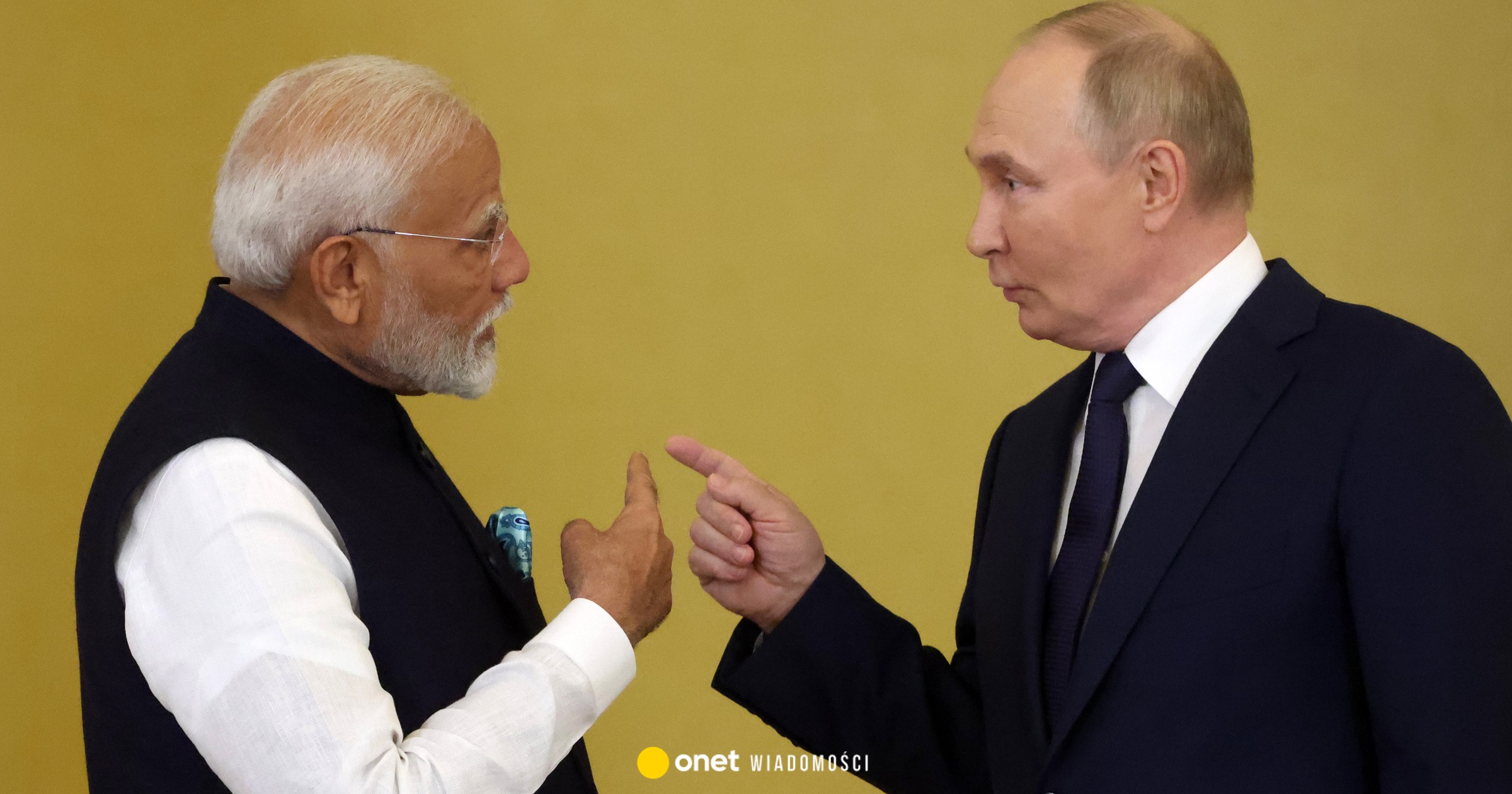
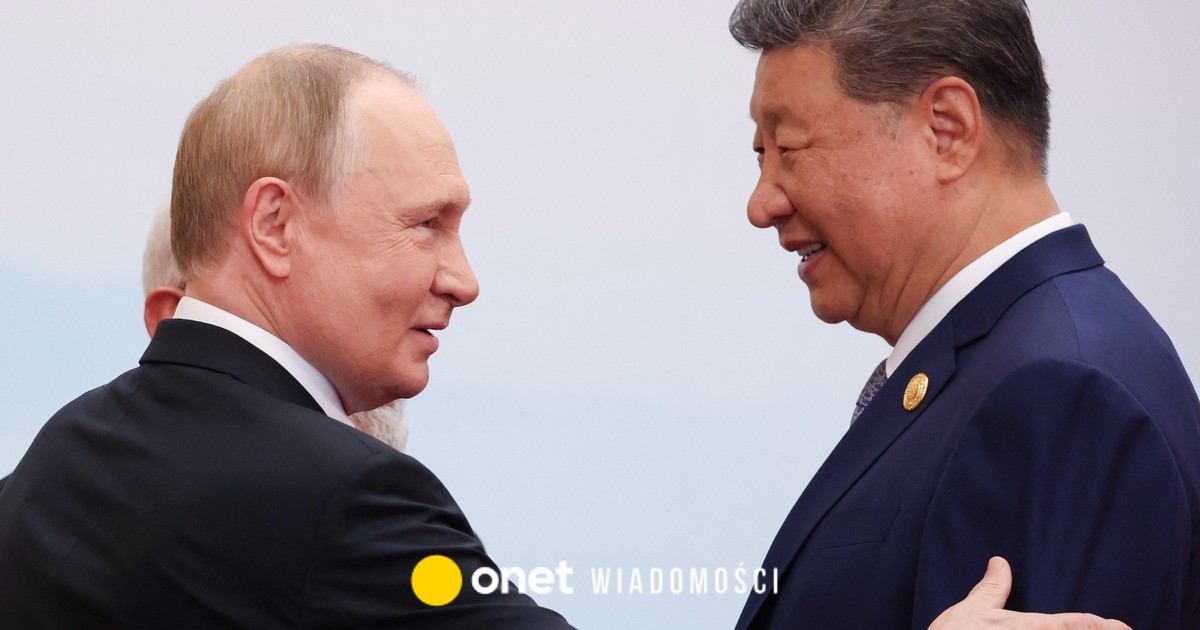
President Vladimir Putin has stepped up public statements about the “stability” of the Russian economy, trying to convey both internally and externally that Russia would be capable of sustaining a protracted war against Ukraine. According to the Institute for the Study of War (ISW), these messages are part of a broad information campaign designed to mask the real difficulties facing the country.

Russian President Vladimir Putin/PHOTO: AFP
In a speech delivered on December 8, within the Council for Strategic Development and National Projects, Putin insisted on measures to combat the demographic crisis, presenting the expansion of financial and social support programs for families with children as evidence of the state's interest in the well-being of the population. However, he admitted that the birth rate continues to fall, attributing the phenomenon to “external factors”, without mentioning the impact of the war in Ukraine, which has generated significant losses among young men and a wave of migration.
Putin also announced that demographic indicators will be taken into account when evaluating the work of regional governors – a move interpreted by analysts as a possible attempt to shift responsibility to local authorities.
The Russian president also referred to the Ukrainian territories under occupation, such as Kherson and Zaporizhzhya regions, where, according to him, there would be a “positive dynamic” in terms of the population's intention to have children. ISW considers these claims unfounded and interprets them as part of a strategy by Moscow to present the occupied regions as demographic and labor resources, while trying to legitimize control over them.
On the economy, Putin presented optimistic estimates, saying that Russia's GDP could grow by about 1 percent by the end of 2025 and that inflation would be around 6 percent or even lower. He reiterated the idea of a “resilient” economy with a low unemployment rate.
His remarks were complemented by Prime Minister Mikhail Mishustin, who said the Russian economy had grown by almost 10% over the past three years, despite “unprecedented sanctions pressure”. ISW appreciates, however, that such claims are designed mainly for domestic consumption and do not reflect the structural difficulties of the Russian economy, which is faced with a growing budget deficit, technological problems and an increased dependence on military spending.
An attempt to influence the Western position
Analysts note that the Kremlin's insistence on the theme of “economic stability” comes before contacts between Russian and American officials, held on December 2 in Moscow. In their view, this indicates an attempt to influence the Western position and suggest that additional sanctions would not produce significant effects.
In public statements, Putin systematically avoids linking the economic difficulties to the war in Ukraine. It does not address the military costs, the high number of casualties or the impact of mobilization on the labor market – elements which, according to ISW, are essential factors in the deterioration of the domestic situation.
The report points out that the Kremlin is promoting two main messages simultaneously: a “strong and self-sufficient” economy and an “inevitable victory” in the war. Both are intended to put pressure on the West and Ukraine by cultivating a perception that prolonging the conflict would be to their disadvantage.
ISW: Russia faces significant vulnerabilities, both militarily and economically
At the same time, ISW points out that Russia faces significant vulnerabilities, both militarily and economically. These weaknesses could be exploited to pressure Moscow to accept real negotiations and compromises, in contrast to the official discourse of a certain victory.
The report also includes recent statements by Russian officials that suggest a hard line on possible peace talks. Aleksei Juravliov, deputy chairman of the State Duma defense committee, said that it would not matter to Russia who signs the ceasefire agreements, but that the terms reflect “Moscow's interests”. He also argued that negotiations should be with the United States, not Ukraine. Kremlin spokesman Dmitry Peskov said talks on the cessation of hostilities should take place without publicity, which ISW believes could facilitate the manipulation of narratives and the avoidance of any transparency.
Meanwhile, Russia's oil exports fell in October to their lowest level since the start of the war amid refinery breakdowns and stepped-up Western sanctions. Volumes carried by sea in the first 26 days of the month were around 1.89 million barrels per day – the lowest level since 2022.
Ukraine also continues to use attack drones to strike facilities inside Russia, including refineries, fuel depots and other logistical and military targets.