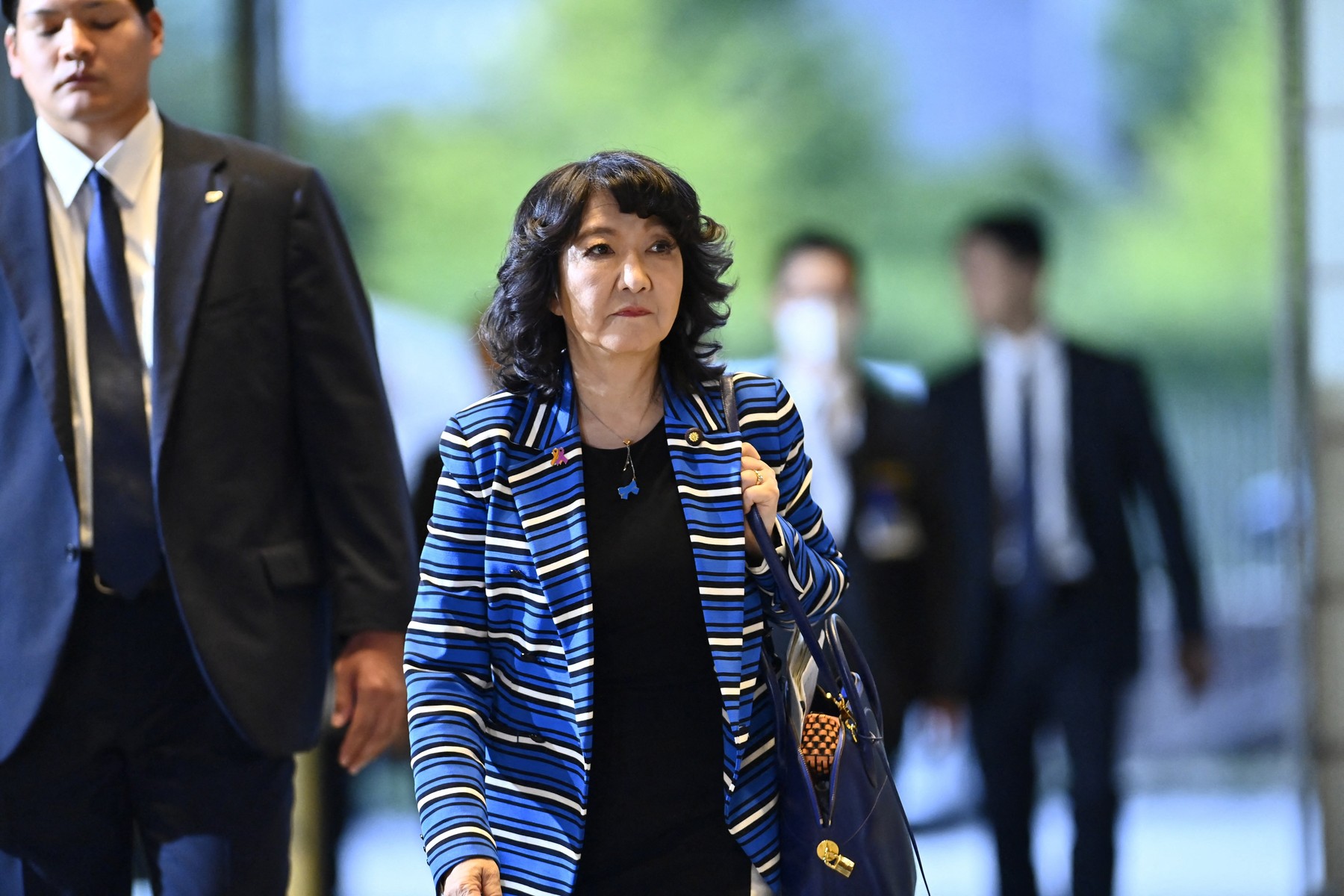
Japan's Finance Minister Satsuki Katayama arrives at the official residence of the Japanese Prime Minister on October 21, 2025 in Tokyo, Japan. PHOTO: david mareuil / AFP / Profimedia
Brussels wants its international allies to follow the EU's strategy of financing Kiev's defense. But there are two major objections, the newest of which is now coming from Tokyo.
Japan rejected the European Union's offer to join its plan to use frozen Russian state assets to finance Ukraine, dashing the bloc's hopes of gaining global support for the initiative, Politico reported Monday.
At a Monday meeting of G7 finance ministers, the Brussels publication notes, Tokyo poured cold water on the EU's request to imitate its plans for Ukraine to receive the cash value of Russian sovereign assets held at the Belgian depository Euroclear.
Japan has signaled that it cannot use about $30 billion in frozen Russian assets held on its territory to make a loan to Ukraine, two EU diplomats briefed on the discussions told Politico.
The European Commission wants EU countries to reach an agreement on the use of up to 210 billion euros of funds under sanctions before a summit of European leaders on December 18. But Belgium is opposed, fearing that it will be forced to repay the full amount if Russia recovers its money in court.
One of Belgium's demands is that other G7 countries, i.e. outside the EU, grant a loan to Ukraine using the frozen Russian assets they hold on their territory.
Belgian Prime Minister Bart De Wever insisted that greater participation by G7 allies would reduce the risk of Russia retaliating exclusively against Belgium.
However, the US and Japan refused to join Brussels' plan, leaving the EU to bear the brunt of Ukraine's future financial needs alone.
During the meeting, the US signaled it would cut aid to Ukraine after paying off the final installments of a G7 loan negotiated by the Biden administration in 2024, an EU diplomat said.
The war-torn country faces a budget deficit of 71.7 billion euros next year and will have to start cutting public spending from April if no new funds come in.
“We will continue to work together to develop a wide range of financing options to support Ukraine, including the potential use of the full value of Russian sovereign assets frozen in our jurisdictions until reparations are paid by Russia,” the G7 finance ministers wrote in a joint statement issued after the meeting.
But on a note of caution, they added that “our actions will remain in accordance with the respective legal frameworks.”
Japan's Finance Minister Satsuki Katayama has ruled out using Russian assets on legal grounds, an EU diplomat briefed on the meeting said.
However, several officials said, also on condition of anonymity, that Japan's position was linked to US opposition to the use of Russian assets for Ukraine, arguing that Tokyo did not want to defy its crucial ally.
US President Donald Trump has signaled that he plans to use Russian assets to bring President Vladimir Putin to the negotiating table. But instead of sending the money to Kiev, as the EU wants, Washington has suggested returning part of Russia's assets and using the rest to finance US investments in Ukraine.
But the head of the European Commission, Ursula von der Leyen, continued to support the idea of using Russian assets to help Kiev during a meeting with Ukrainian President Volodymyr Zelenskiy on Monday.
“Our Reparations Loan proposal is complex but essentially increases the cost of war for Russia,” von der Leyen wrote in a statement issued after the meeting, which was also attended by British Prime Minister Keir Starmer, French President Emmanuel Macron and German Chancellor Friedrich Merz.
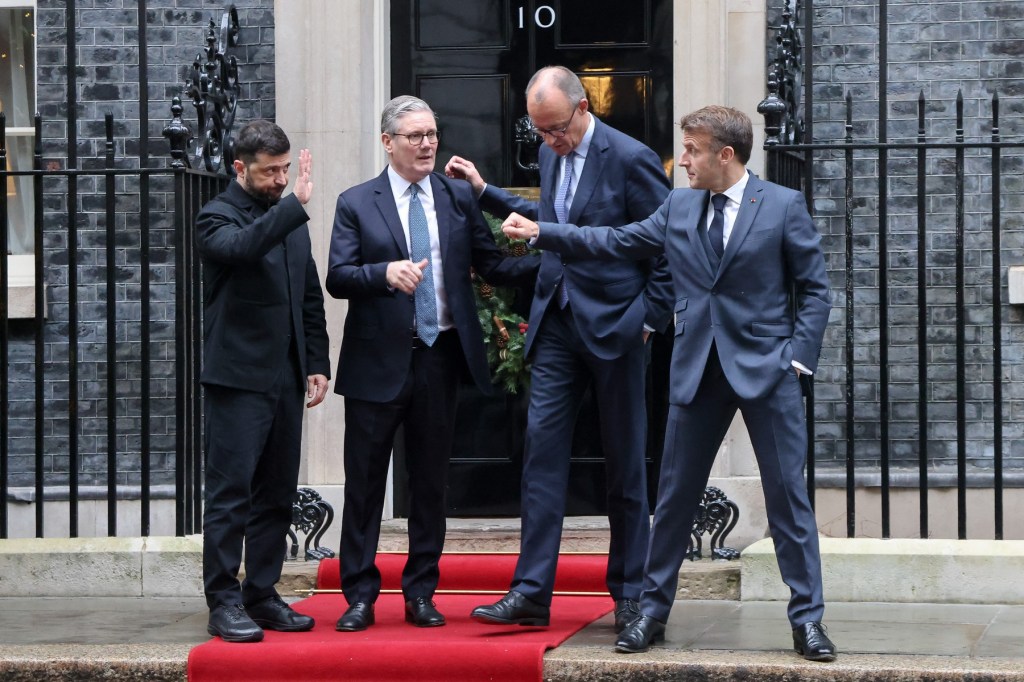 What assurances did Zelensky receive from European leaders in London at a “crucial” moment for Ukraine and “decisive for all of us”
“The longer Putin continues the war, spills blood, takes lives and destroys Ukrainian infrastructure, the higher the costs for Russia will be,” added the President of the Community Executive.
In a show of support for von der Leyen, Britain and Canada have indicated their willingness to hand over Russian state assets held on their territory to Ukraine, provided the EU plan goes ahead.
The issue is expected to be at the center of Friday's meeting between British Prime Minister Keir Starmer and his Belgian counterpart, Bart De Wever.