The purpose of the regulation is to establish a mechanism enabling a quick response to possible disruptions on the EU market resulting from the import of agricultural products from Mercosur countries, i.e. Argentina, Brazil, Paraguay, Bolivia and Uruguay.
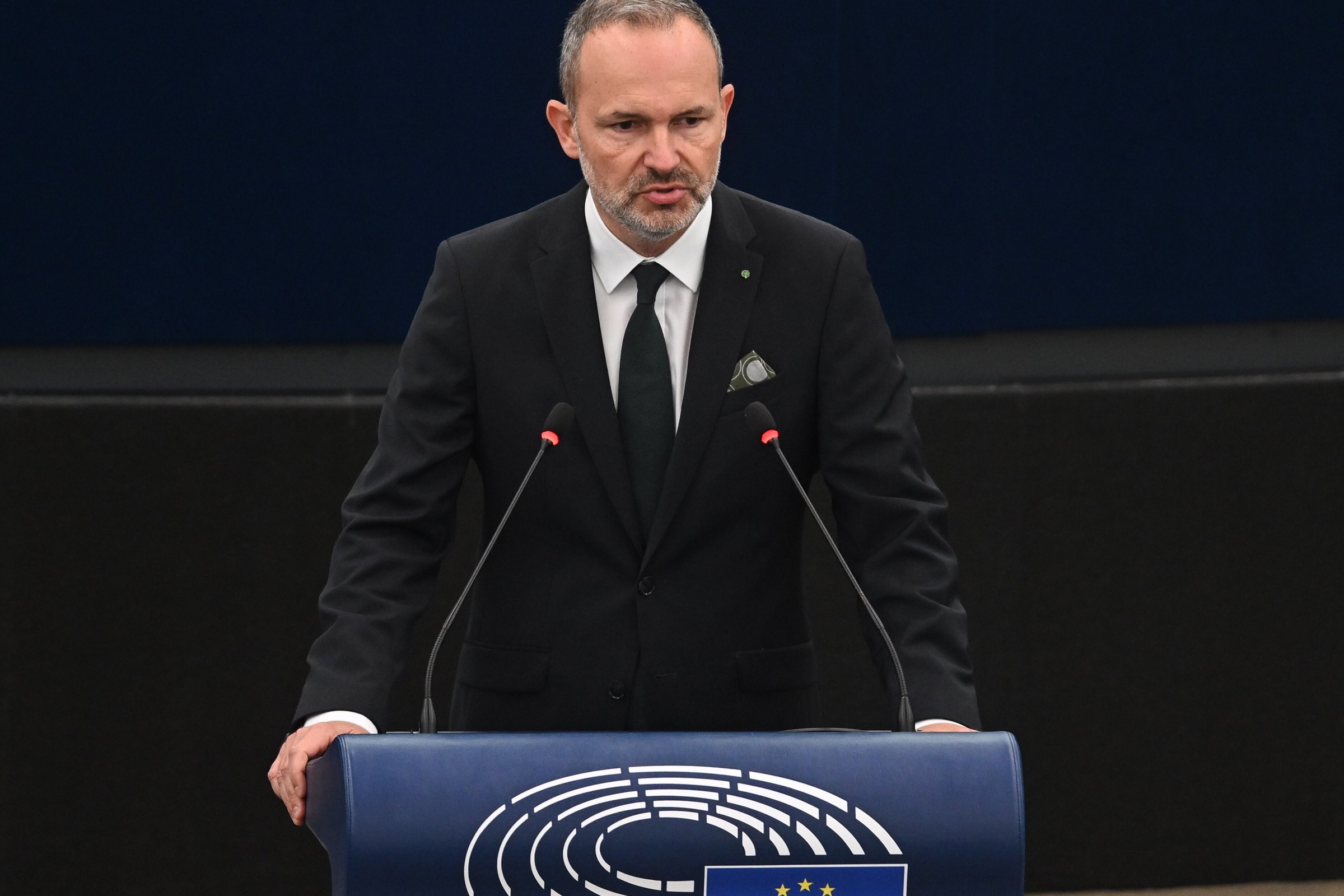
MEPs, including Polish ones, proposed a number of amendments to the regulation, some of them were adopted. Dariusz Joński, MEP of the Civic Coalition, described in an interview with PAP that, among others, it was adopted a provision that assumes faster action to defend the EU market in the event of an increase in imports.
— We proposed that the EU could immediately trigger the protection clause if a sudden increase in imports lowers prices and harms European producers. Key change: the launch threshold drops from 10%. up to 5 percent increase in imports so as to react earlier. We have also expanded the list of sensitive products to include class A and B eggs, which will be under special protection, he said.
The article continues below the video
What amendments to the Mercosur agreement have been adopted?
What is a safeguard clause?
When will the next vote on the agreement take place?
What are the concerns of EU farmers regarding the agreement with Mercosur?
MEPs submit amendments to the Mercosur agreement. “There's a big chance”
MEP Krzysztof Hetman from the Polish People's Party is also satisfied with the result of the vote. — It is undoubtedly a success, because a large part of the amendments we proposed have been adopted, which means that the interests of Polish farmers and entrepreneurs will be secured to a greater extent compared to the original version proposed by the European Commission. We are not giving up our weapons. We still have a vote next week at the plenary session, he said in an interview with PAP.
The MEP explained that in accordance with the adopted amendments, the reaction time of the European Commission in the event of an increase in imports will be shortened from 24 to 14 days. The politician added that MEPs intend to re-submit the amendments, which did not find a majority on Monday. – Especially since some of our amendments lost, if only by one vote, so we can see that there is a good chance that we may be able to win even greater protections for Polish farmers – he emphasized.
Ursula von der Leyen flies to Brazil. The EC wants to sign the agreement by December 20
The Commission's position will be put to a vote at the next plenary session of the European Parliament. MEPs will then have another chance to submit amendments.
The European Commission hopes that the agreement will be signed at the Mercosur summit on December 20 in Brazil. The President of the European Commission, Ursula von der Leyen, is expected to take part in it, as she believes that the agreement will bring great benefits to the European industry. The agreement will open the markets of South American countries to European industry, including: automotive.
The EC proposed the regulation on the emergency brake in response to the concerns of EU farmers and some Member States regarding the impact of the agreement with Mercosur on EU producers. Such fuses are introduced into every trade agreement, but this time the mechanism is to be faster and simpler.
The deal with the Mercosur bloc of countries will establish tariff preferences for certain agricultural products from those countries, such as beef, poultry, dairy, sugar and ethanol. Thanks to the proposed emergency brake, these preferences could be withdrawn if there is a sharp increase in imports or a fall in prices.
EU emergency brake. Poland and France critical of the entire agreement
According to the draft regulation, the mechanism will be activated at the request of Member States or industry if there is evidence that imports are increasing rapidly or affecting EU markets. According to the EC project, in the case of sensitive products such as beef, poultry, dairy products, sugar and ethanol, a 10% difference between the prices of imported and local products combined with a 10% increase. the volume of imports on preferential terms or a decrease by 10%. prices of imported products will, in principle, be considered a sufficient basis for initiating an investigation.
Only after the adoption of the emergency brake regulation will both the EP and the member states in the EU Council proceed to approve the entire agreement. The EU Council gave the green light to the emergency brake on November 19.
A qualified majority is required for this body to approve the entire agreement (15 member states, representing 65% of the EU population, must vote in favor). Poland and France are the most critical of the agreement. Four countries are needed to block the agreement (the so-called blocking minority).