Egypt is giving up thousands of monuments to British museums, but this one must be returned

2025-12-06 18:00
publication
2025-12-06 18:00
Egypt has again asked Great Britain to return the Rosetta Stone, while abandoning previous demands regarding other monuments kept in British museums, the Times reported on Thursday.
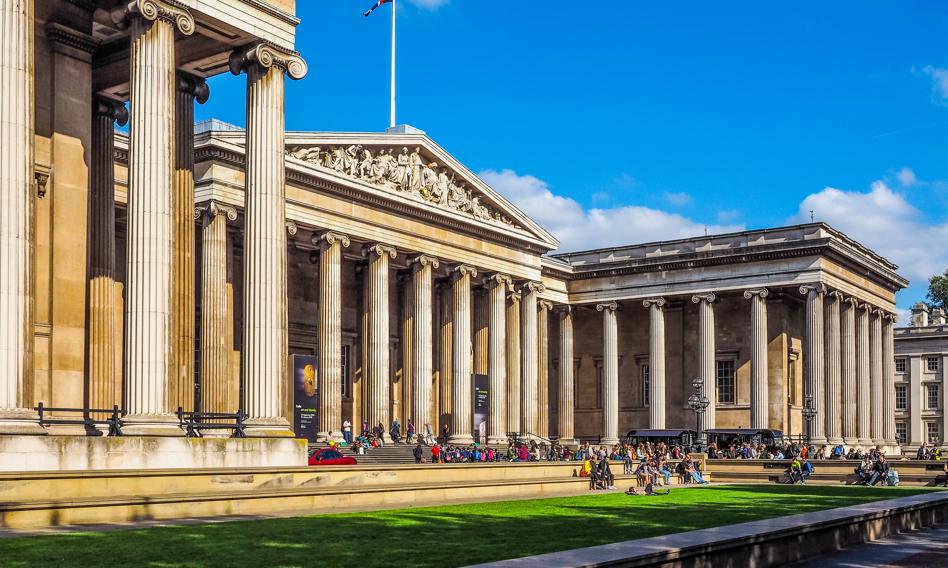
Secretary-General of Egypt's Supreme Council of Antiquities, Mohamed Ismail Khaled, said the tens of thousands of artifacts taken out of the country and now housed in the British Museum are “part of London's identity.” As he noted, these monuments are treated as “the best ambassadors aimed at attracting crowds of tourists to Egypt.” At the same time, Khaled stressed that Egypt is demanding that Britain return the Rosetta Stone dating back to 196 BC, the most visited object in the British Museum.
The Rosetta Stone was discovered in 1799 by a group of French soldiers who were building a fort in the old Egyptian port city of Rosetta. This was part of Napoleon's Egyptian campaign against the Ottoman Empire. After the defeat of the French in 1801, the stone was among several monuments transferred to the British under the Treaty of Alexandria. The following year he was taken to Portsmouth, England. Archaeologists quickly appreciated its historical value. In 1822, ancient Egyptian hieroglyphs were deciphered with the help of three languages carved on this granite slab.
Today, the Egyptian side believes that the Rosetta Stone was exported illegally. The British museum rejects this claim, maintaining that the 1801 Treaty of Surrender, in the section relating to British forces, contained the signature of an admiral of the Ottoman Empire, which ruled Egypt at the time.
“We want the Rosetta Stone returned to us because the Egyptians have never seen it,” Khaled said. – Generations (of Egyptians) have read about it and know of its existence, but have never seen it. “Many people in Egypt believe that we should demand his return because it is our right,” he added.
A spokesman for the British museum confirmed its “long-standing partnership with the Egyptian Ministry of Tourism and Antiquities.” The statement says the facility will consider “requests to borrow any part of the collection.”
Khaled visited London in connection with the opening of the “Ramesses and the Gold of the Pharaohs” exhibition at the NEON gallery at the Battersea Power Plant, scheduled there in February 2026.
The exhibition will consist of over 180 exhibits from the times of one of the most famous rulers of Egypt, Ramesses II, who reigned from 1279 to 1213 BC. The presented artifacts include: richly carved sarcophagi, animal mummies, jewelry, royal masks and amulets. Many of these items have never been displayed in the UK before, including the original wooden sarcophagus that held the mummy of Ramesses II.
At the opening of the Giza museum in November this year, former Minister of Tourism and Antiquities Zaha Hawass told the BBC that it was time for Western European museums to stop buying stolen artifacts. He also expressed expectation for the return of three Egyptian objects: the Rosetta Stone from the British Museum, the Zodiac relief from the Louvre in Paris and the bust of Nefertiti currently exhibited in the Neues Museum in Berlin.
From London Marta Zabłocka (PAP)
mzb/ mis/