While Trump promises peace, Putin prepares to wipe out Ukraine. The secret document that changes everything

While Donald Trump talks about “tremendous progress” towards peace between Russia and Ukraine, Vladimir Putin is actually accelerating the process of erasing Ukrainian identity from the occupied territories. The US president's upbeat statements come after a flurry of diplomatic consultations and a 28-point peace plan that appeared almost out of the blue and was presented as a new beginning.
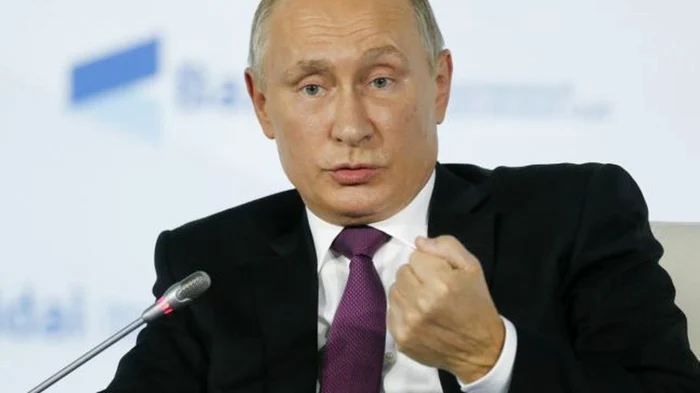
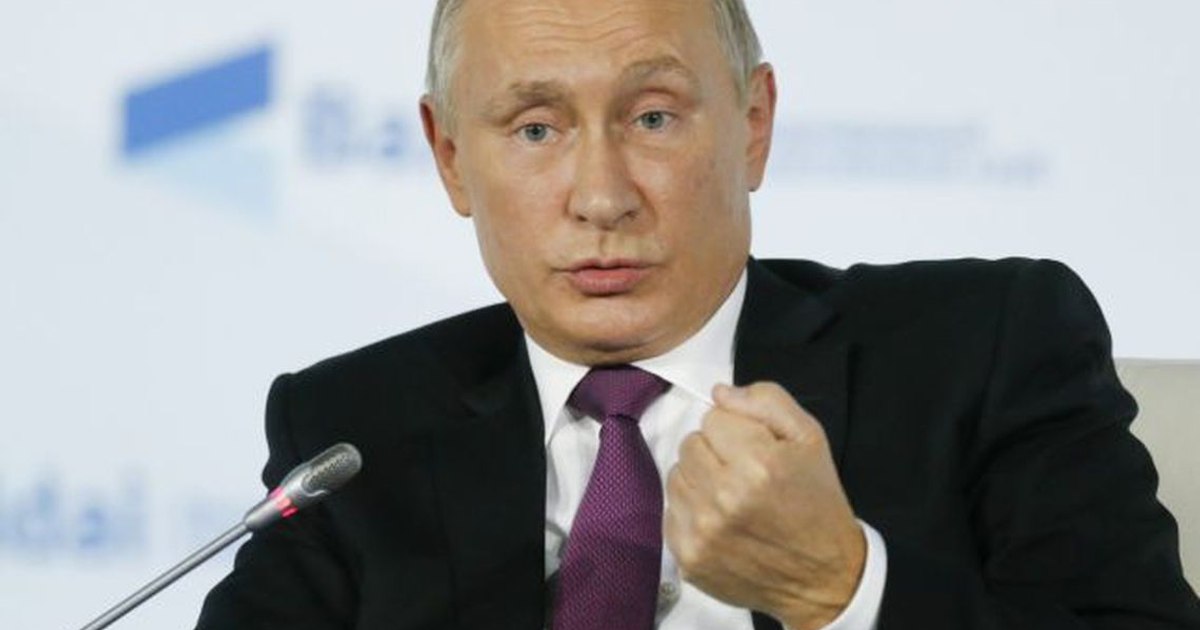
Russian President Vladimir Putin/PHOTO: EPA/EFE
But the American enthusiasm is not shared by all. Critics note what is becoming increasingly obvious: Washington and Kiev appear to have reached an agreement in principle, but Moscow shows no sign that it is interested in real negotiations. On the contrary. The Kremlin's reaction to the American plan was brief and predictable: no major compromise, no deviation from the maximalist objective that accompanied the invasion from day one, the Atlantic Council points out.
As US, Ukrainian and Russian diplomats continue talks, Putin reveals his intentions with a new presidential decree aimed at intensifying efforts to “consolidate Russian civic identity” in the occupied areas – about 20% of Ukraine's territory – by 2036. The document, published on November 25 and taking effect from 2026, praises the invasion for allegedly “restoring the historical territorial unity of the Russian state”.
Beyond the bureaucratic language, the decree actually describes the continuation of a process that has already been going on for years: the elimination of any trace of Ukrainian identity. In the occupied regions, Russia imposes a regime of terror, in parallel with the systematic destruction of symbols of Ukrainian statehood, language, culture and heritage.
Where Russian weapons manage to advance, waves of arrests, enforced disappearances and intimidation follow. The targets are always the same: mayors, journalists, religious leaders, activists, veterans. A UN investigation in the spring of 2025 concluded that these practices constituted crimes against humanity.
Those remaining are required to accept Russian citizenship. Refusal is punishable by loss of access to essential services – from health to pensions or banking utilities. Furthermore, a Russian law passed in 2025 allows the eviction and deportation of homeowners who do not accept Russian passports. Children are forced to learn a Kremlinist, militarized curriculum in which Ukraine is demonized and the invasion glorified. Parents who resist risk losing their children.
The kidnapping of Ukrainian children, the cruelest component of the Kremlin's strategy
The cruelest component of the Kremlin's strategy, however, remains the kidnapping of Ukrainian children. About 20,000 minors were deported to Russia to undergo a systematic process of re-education and Russification. In 2023, the International Criminal Court issued an arrest warrant for Vladimir Putin for his direct involvement in these deportations.
What is happening today in the occupied zones is a clear indication of how the Kremlin would proceed if it gained control of all of Ukraine. In frontline areas, Russia has resorted to repeated drone strikes against civilians, a campaign characterized as a “human safari” by international investigators. A recent UN report classifies these attacks as war crimes, designed to depopulate the targeted localities.
In parallel, Moscow is intensifying its bombing of critical infrastructure and residential areas with the aim of generating new waves of refugees. As a result, the number of Ukrainian civilian casualties increased by 27% in the first ten months of 2025.
Since the first peace talks in 2022, Russia's position has hardly changed at all. The Kremlin continues to demand the complete demilitarization of Ukraine, the drastic limitation of the armed forces, the ban on NATO membership and the elimination of all military cooperation with the West. Essentially, an isolated Ukraine, vulnerable and unable to defend itself.
The project of subjugating Ukraine has become the central element of the Putin regime
Any remaining illusion of Putin's willingness to accept real peace should be abandoned. While Trump treats the conflict as a real estate transaction on a geopolitical scale, the Kremlin leader sees himself on a historic mission: correcting the “injustices” generated by the collapse of the USSR and the revival of the Russian empire. Hence the obsession with destroying Ukrainian statehood, perceived as a direct threat to Moscow's authoritarianism.
Since 2014, since the annexation of Crimea, the project of subjugating Ukraine has become the central element of the Putin regime. The price was huge: the degradation of international relations, economic isolation and the deterioration of Russia's global position. Accepting a peace that keeps 80% of Ukraine in the Western camp would be impossible to present inside Russia as anything other than a monumental failure.
The recent decree, aimed at “creating a Ukraine without Ukrainians”, exposes the absurdity of the idea that there could be a real compromise between Moscow and Kiev. Putin is not looking for peace, but time. Negotiations are a tool for him: a way to delay sanctions, divide the West and reorganize his military. But there is almost no scenario in which Russia voluntarily accepts the existence of an independent Ukrainian state.
This does not mean that war cannot be stopped. But it means that the pressure on the Putin regime must increase, not decrease. Only the fear of another Russian collapse – like in 1917 or 1991 – can change the Kremlin's calculation. It requires political courage that many Western capitals have not shown since 2022, but the alternative is a false peace that will not last.
Putin dreams of putting his name alongside Ivan the Terrible, Peter the Great or Stalin. But what he really fears is ending up like Nicholas II or Gorbachev, the Atlantic Council concludes.