The Dutch take over Patriots in Poland. “Gray zone between war and peace” over NATO's eastern flank

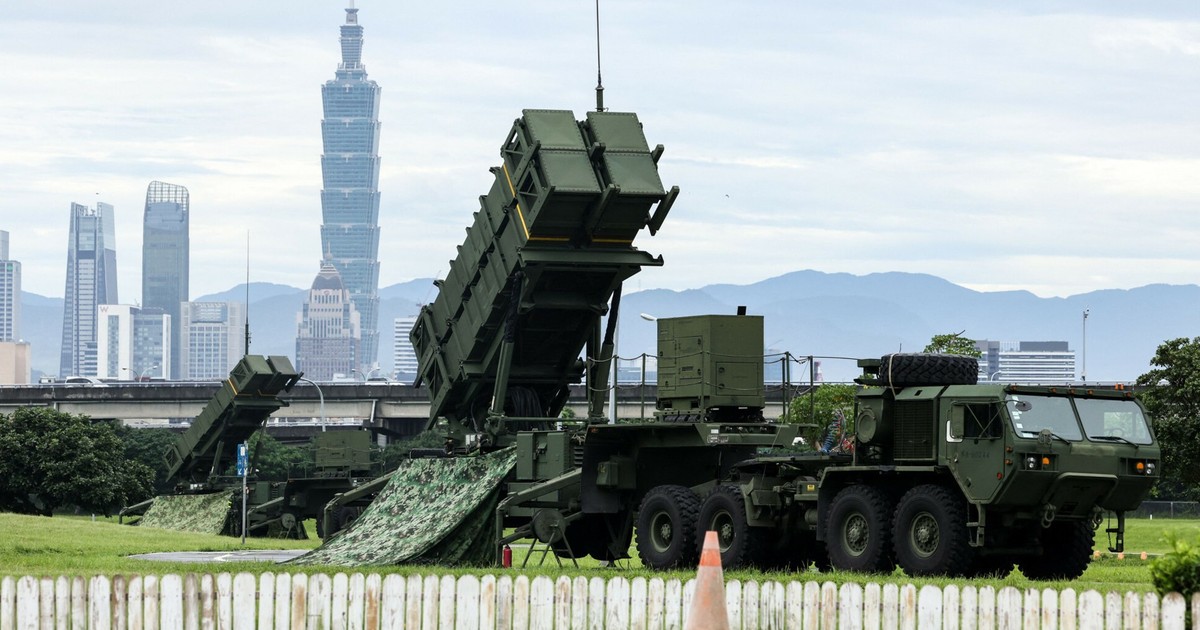
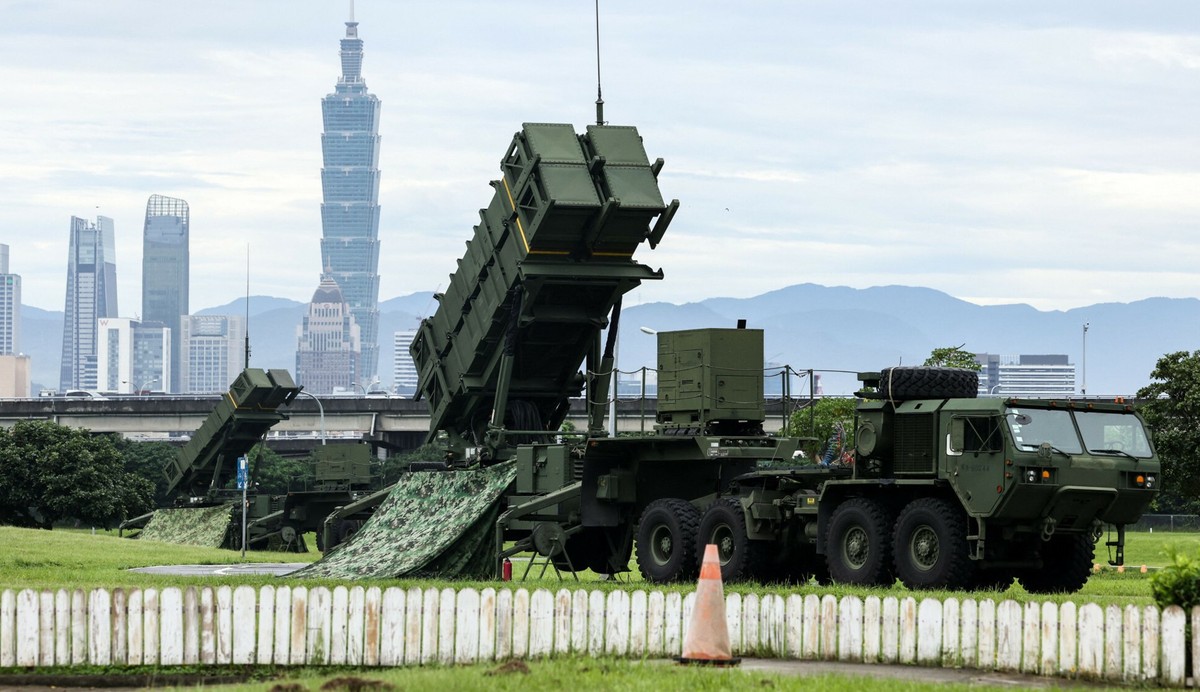
The Dutch contingent begins its transfer from the De Peel base in Limburg. The goal is to achieve full operational readiness on Polish territory in mid-December, and the mission, as previously announced, is scheduled to last until early June 2026.
The soldiers will take over combat duty from the Bundeswehrwhich for the last year has been responsible for responding to potential missile and drone attacks from Russia.
The security of one of NATO's most important logistics zones is at stake. In eastern Poland there are warehouses of military equipment transferred to Ukraine and infrastructure through which the transport of weapons and aid to the front is coordinated.
This is the area that the new Patriot battery is to protect along with additional layered air defense systems, including: NASAMS and anti-drone units sent by the Netherlands.
The next part below the video:
Dutch contingent in Poland
The former commander of the Dutch armed forces, General Mart de Kruif, emphasizes that Dutch soldiers will operate non-stop. He says the system's crews will “monitor the airspace 24 hours a day, seven days a week” for ballistic missiles, drones and other objects.
De Kruif recalls that in recent months, NATO's air border has been repeatedly violated from the east, most often by reconnaissance or attack drones suspected of Russian origin. “NATO then said: this is the border. We will intensify our air defense,” he notes.
Dutch aviation has already been involved in protecting the Polish sky. In September, Dutch F-35 fighters participated in shooting down Russian drones that crossed the Polish border during a massive air attack on Ukraine.
Now specialized land forces units responsible for ground-based anti-aircraft defense, including the operation of the MIM-104 Patriot – a system designed to combat aerodynamic targets and ballistic missiles at medium and long distances.
Although there was no need to fire Patriot missiles during the German presence in Poland, De Kruif emphasizes that the system's radar “undoubtedly saw a lot.”
Dutch soldiers will therefore take over not only the equipment, but also the experience and procedures developed during the growing number of incidents involving drones and missiles in the region. In recent years, there have been, among others: to the fall of a Russian drone on Polish territory and the violation of Polish airspace by a Russian cruise missile, which increased concerns about the security of NATO's eastern border.
The atmosphere of the mission is well reflected in the words of Lieutenant Colonel Wesley, quoted by Defensiekrant, the internal magazine of the Dutch Ministry of Defense. The officer points out that in the Netherlands and in much of Europe, life goes on as usual. People go to work, plan holidays, and enjoy everyday comforts. “But at the same time, we are in a gray zone between war and peace. We must be vigilant,” he emphasizes.
For Poland, the presence of Dutch soldiers and Patriots is another element in strengthening NATO's eastern flank, alongside American, British and Norwegian troops.
For the Netherlands – a concrete demonstration of allied solidarity and a signal to Moscow that an attack on Ukraine's logistics base will be treated as an attack on the entire NATO. The mission on Polish territory is part of a broader deterrence strategy, the aim of which is – as the Dutch themselves say – to show Russia that it is not worth testing the alliance's determination on its eastern border.