An internal FDA memo looks at possible links between the anti-COVID vaccination and 10 deaths among children in the US


The US Food and Drug Administration (FDA) said in an internal memo that at least 10 children likely died “due to” vaccination against COVID-19, citing myocarditis – an inflammation of the heart – as a possible cause of those deaths.
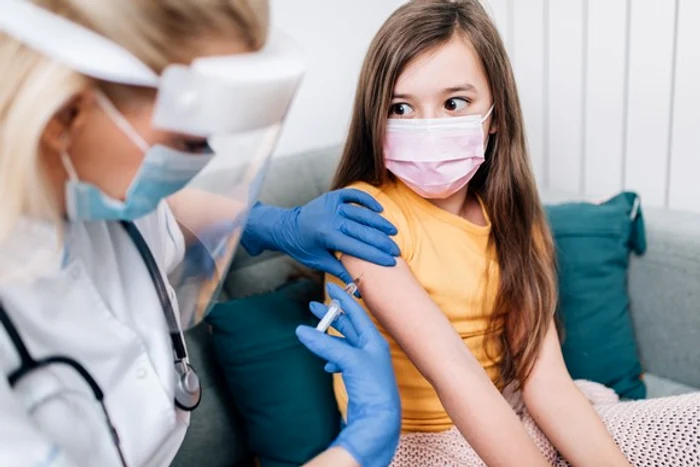
PHOTO Archive
The Department of Health and Human Services, which includes the FDA, has not yet responded to Reuters' request to make statements about the New York newspaper's after-hours report, according to Agerpres.
The US Secretary of Health, Robert F. Kennedy Jr., radically changed the government's policy on anti-COVID-19 vaccines, limiting access to these sera, which became available only to people over the age of 65, as well as to those with pre-existing conditions.
Robert F. Kennedy Jr., who was a longtime anti-vaccination campaigner before taking the nation's highest health post in the administration of US President Donald Trump, linked vaccines to autism and sought to rewrite the country's immunization policies.
During Donald Trump's first term, when the coronavirus pandemic broke out, and during his successor, Joe Biden's tenure, US health officials strongly advocated vaccines as life-saving.
That internal memo, written by the FDA's medical and scientific director, Vinay Prasad, did not disclose the ages and pre-existing health conditions of the children who died, nor the names of the vaccine manufacturers involved, The New York Times said.
Vinay Prasad called the discovery right “a profound revelation” and announced plans to tighten vaccine surveillance, including requiring randomized trials for all age subgroups.
The findings of the new FDA review were not published in a peer-reviewed medical journal (such as “peer-reviewed”), The New York Times reported that the CDC's vaccine committee will meet next week.
Vinay Prasad, an oncologist who has been a vocal critic of the US's COVID-19 vaccine and mask-wearing policies, resumed his role as the FDA's medical and scientific director in September. He advises the FDA Commissioner and other senior officials on emerging medical and scientific issues that impact scientific regulation and public health.