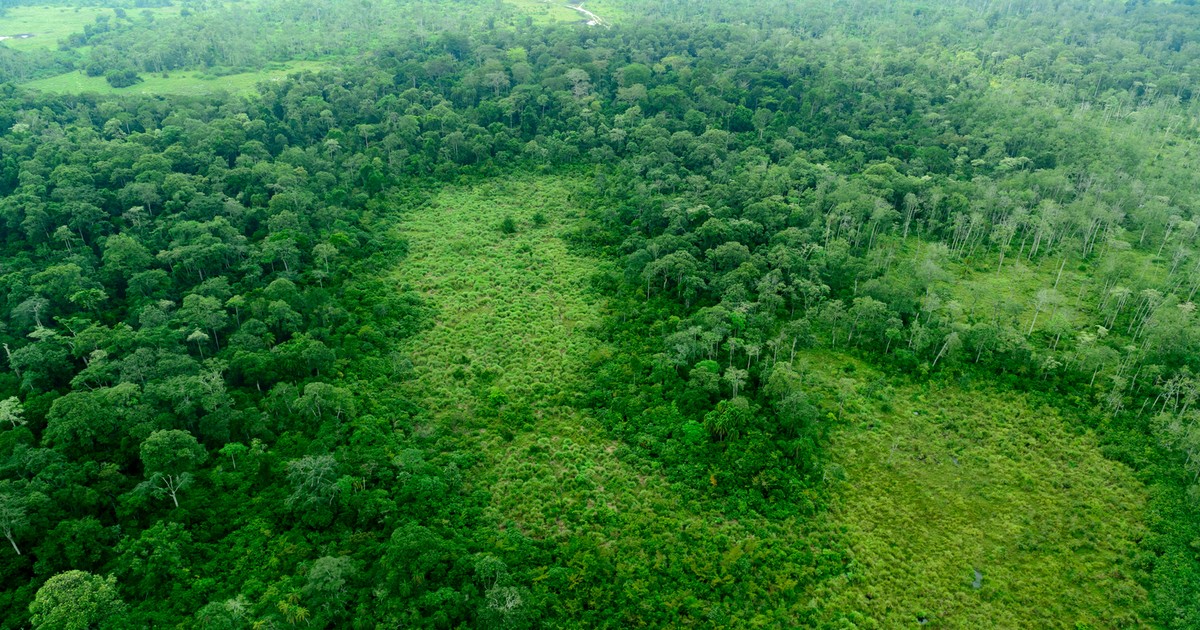
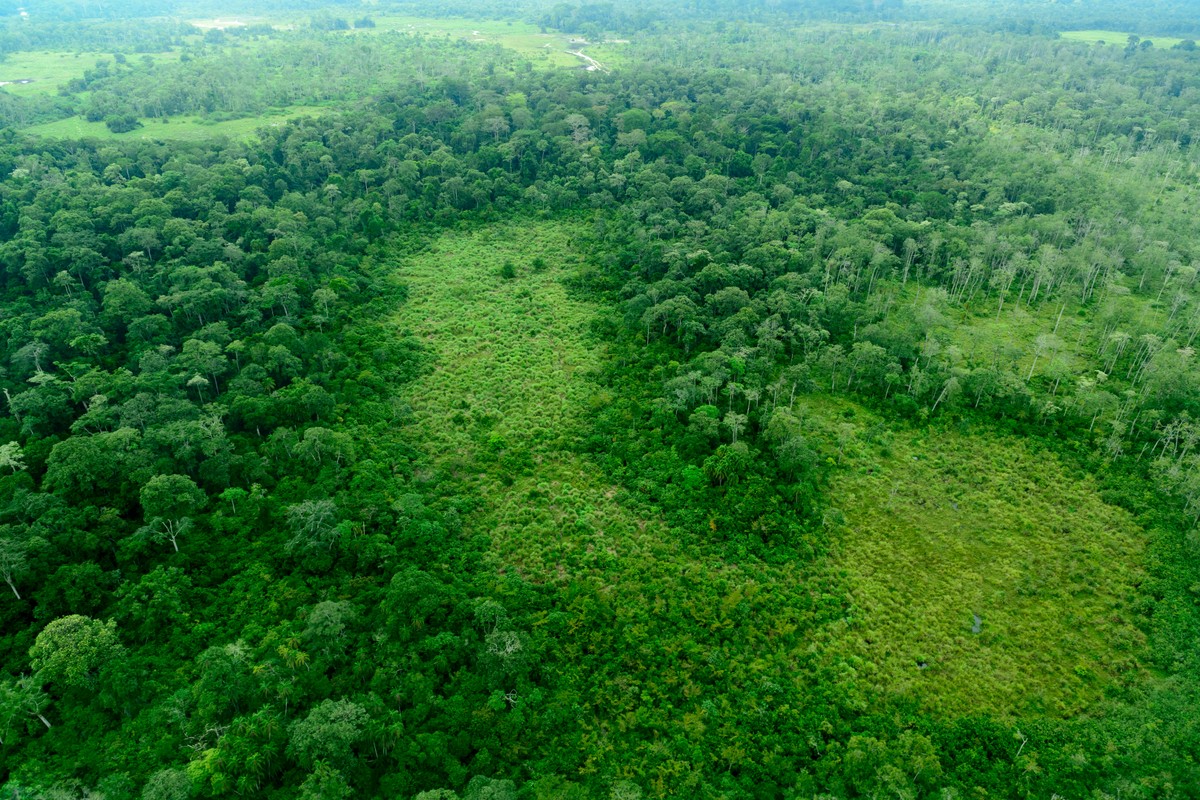
The situation in Congo is described by research published in the prestigious journal “Scientific Reports”. In the past, African forests and thickets were responsible for absorbing 20 percent. all carbon dioxide absorbed by plants on our planet. The Congo rainforest, the second largest in the world after the Amazon, absorbed approximately 600 million tons of CO2 annually. However, ongoing deforestation and damage from mining activities have drastically reduced this capacity, to the point where these forests have become a source of carbon dioxide emissions.
Read also: The EU sets a climate target for 2040 and decides on ETS2
African forests under pressure
Analyzes conducted by prof. Heiko Balzter from the University of Leicester and his team revealed that Between 2011 and 2017, African forests, including those in Madagascar and West Africa, lost 106 million tons of biomass annually, equivalent to the emission of approximately 200 million tons of carbon dioxide.
Reductions in biomass in savannahs have proven insufficient to compensate for losses in rainforests. The researchers based their study on satellite measurements of tree canopy color, humidity and height, comparing them with a limited number of ground-based measurements – which poses an additional challenge in Africa.
Experts emphasize that the loss of the ability of rainforests to absorb CO2 means that emissions from burning fossil fuels must be reduced even further to achieve the global net emissions target of close to zero.
The problem of deforestation and agriculture
While deforestation in the Amazon has been subject to government regulations, in the Democratic Republic of the Congo the process is still increasing. Poor farmers burn forests for crops, and foreign timber companies illegally cut down valuable tree species. The scale of the problem is enormous, and actions to protect Congo's rainforests remain insufficient.
Although the study did not take into account the wet peatlands beneath parts of the Congo rainforest – which absorb small amounts of CO2 and store around 30 billion tonnes of carbon – their role in the global emissions mix remains important. Similar problems also affect the Amazon, which in recent years, instead of absorbing carbon dioxide, has become an emitter.
Fund to save tropical forests
During the last COP30 climate summit in the Amazon, Brazil announced the creation of a Tropical Forests Forever Facility. This mechanism is intended to offer tropical countries a return on investment of $4. for each hectare of preserved forest. However, the contribution to the fund so far is only USD 6.6 billion, which is significantly lower than the assumed goal of USD 25 billion.