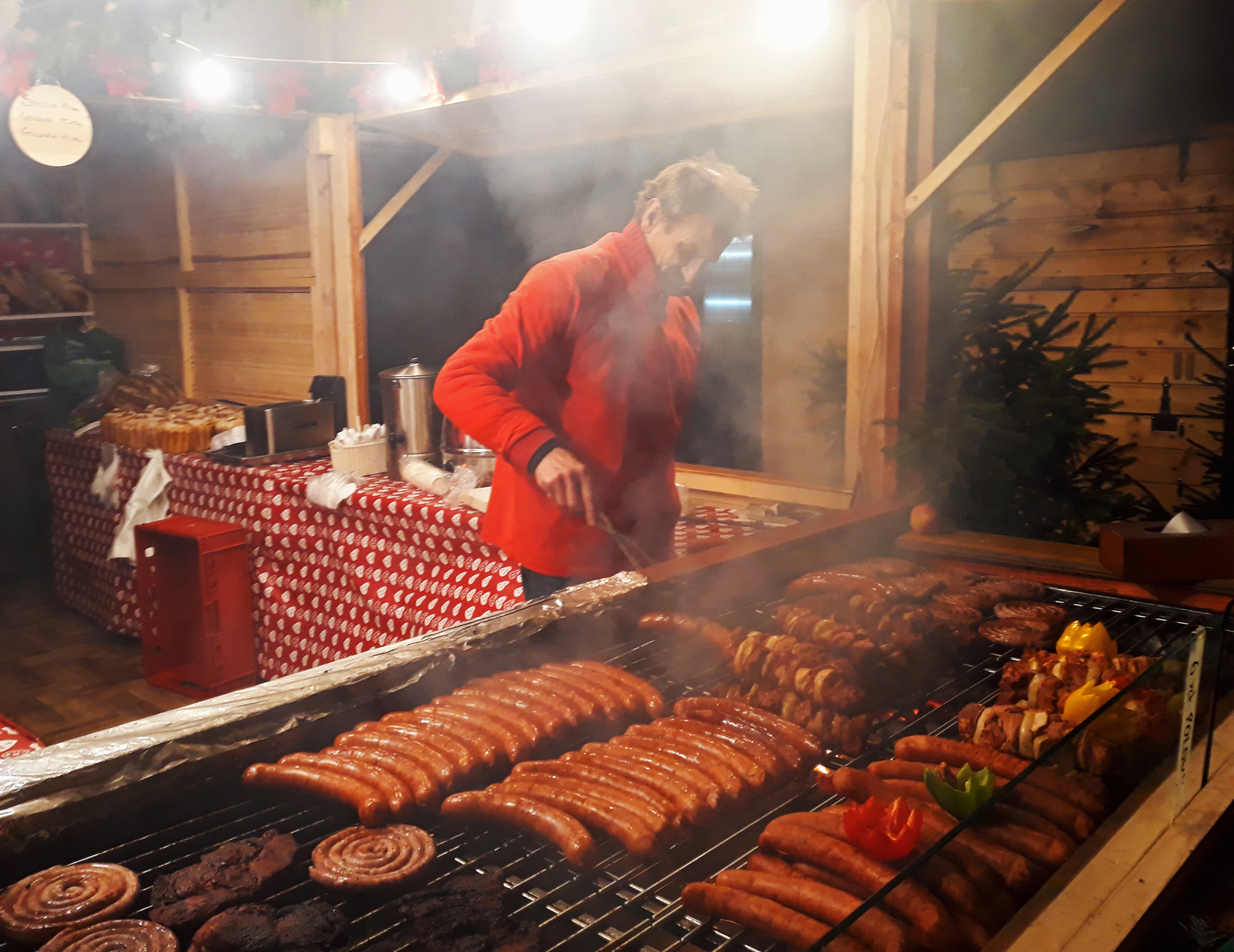
How much does a tiger cost in Romania? An undercover investigation into the illegal trade in exotic animals

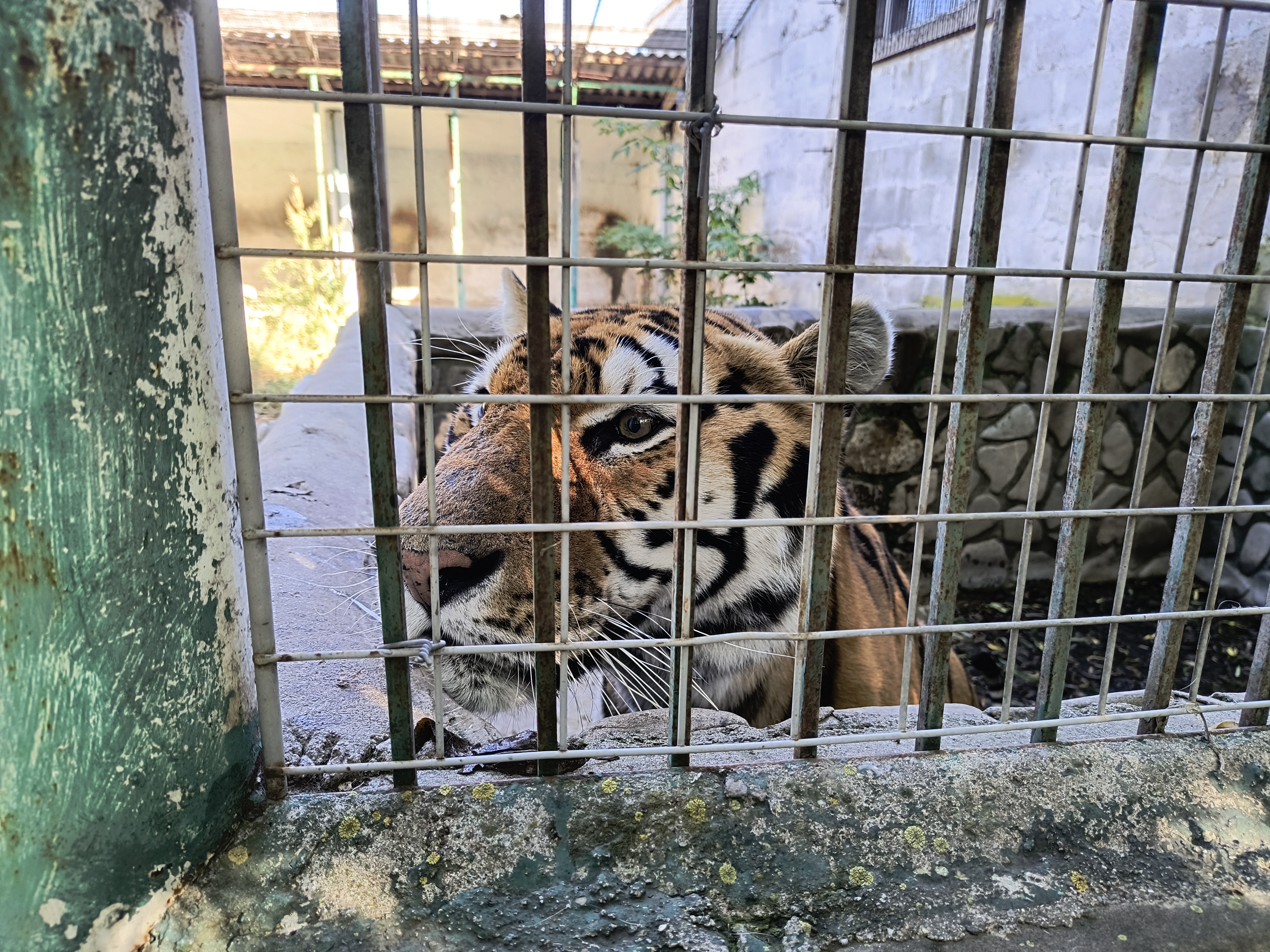
In Romania, zoos and private individuals sell exotic animals such as tigers for 5,000 euros a cub, raccoons for 400 euros, lions for 2,500 euros, “raccoon dogs” for 250 euros and even a liger (a lion-tiger hybrid) for 50,000 euros, reveals an undercover investigation into the illicit trade in animals published by Scena9.
The investigative film “Animal Hustlers”, made in collaboration with Scena9, follows the infiltration of journalists among the buyers, breeders and sellers of exotic animals in Romania and Albania, exposing a cross-border network of “hustlers” who exploit legislative loopholes or carry out illegal activities in many European countries.
In Romania, the journalists befriended the owner of the Noah's Ark zoo in Zaharesti, Suceava, 61-year-old Dorin Șoimaru, a former builder with a passion for wild animals.
Șoimaru buys and sells animals from all over Europe, including Slovakia, Russia, Moldova and the Netherlands, and its clients in Romania include public zoos and private individuals. His own “official” garden, Noah's Ark, has been registered with the veterinary health authority since August 2024, but he never had an environmental permit from ANMAP to operate as a zoo and was closed in September 2025. Despite the closure, Șoimaru continues to care for about 500 exotic animals, which he breeds and sells.
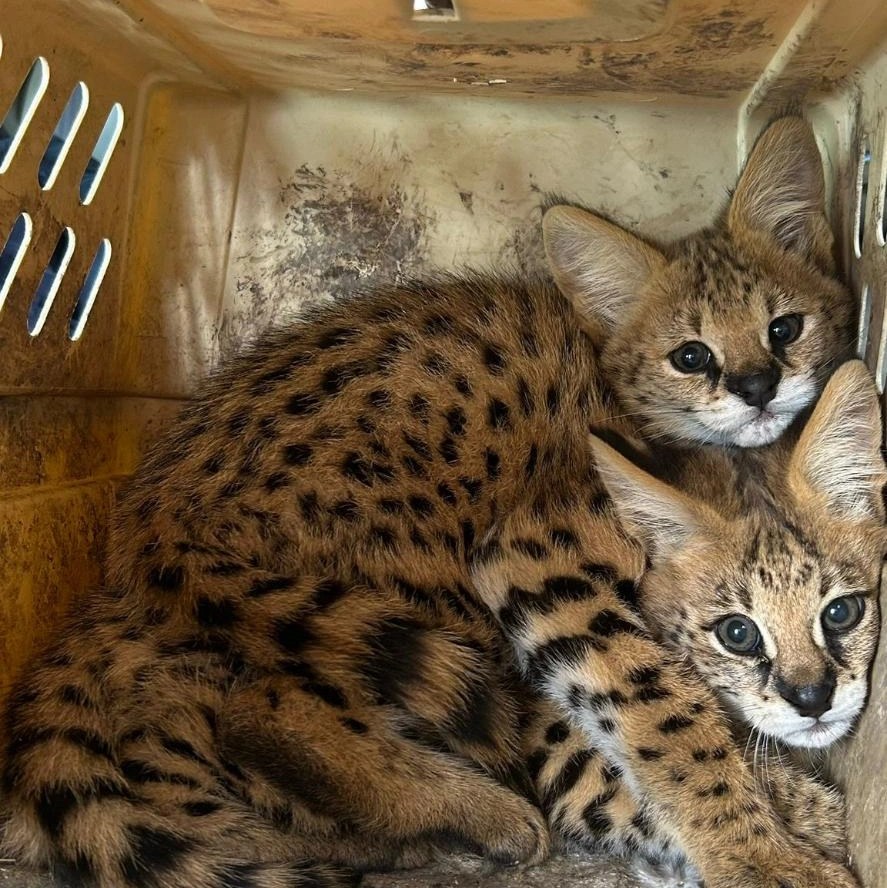
Şoimaru offered the journalists two lei for 4,500 euros, a tiger for 7,000 euros and two servals for 6,000 euros. The list also includes a white tiger, purchased “with documents”, at the price of 12,000 euros. There are also two unregistered newborn tiger cubs for 5,000 euros each.
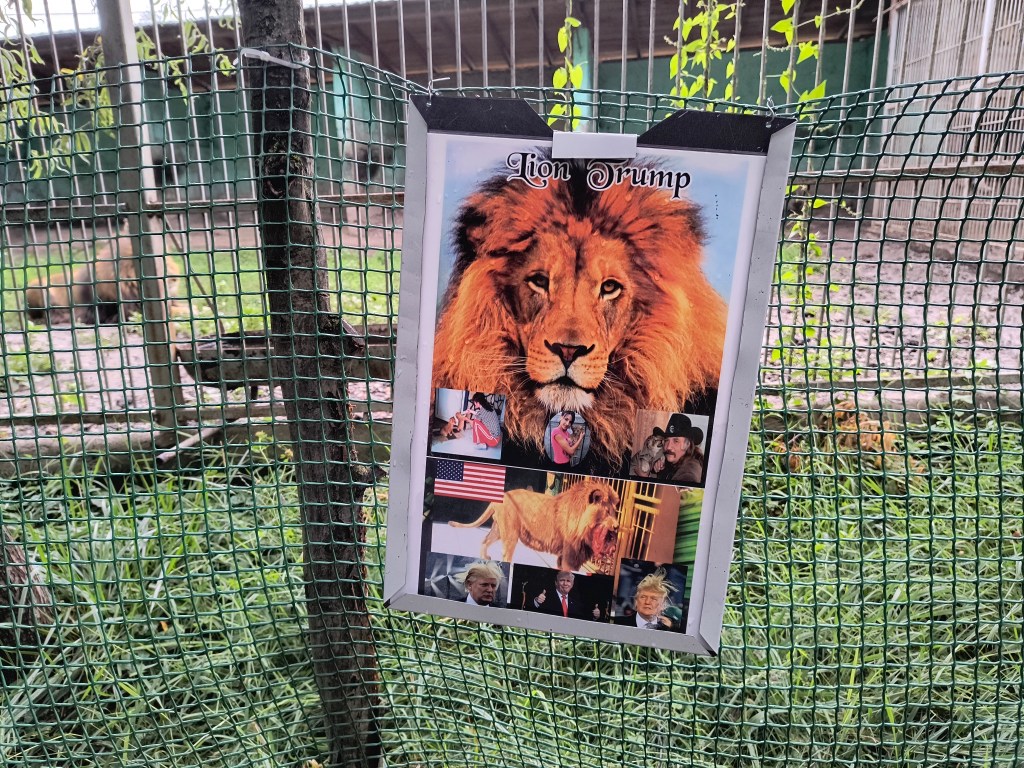
The most expensive animal on the list was a liger, a hybrid between a lion and a tiger, bred in his own zoo – an illegal act, according to conservation experts and authorities, although the law in Romania is unclear. It was offered at the price of 50,000 euros.
Șoimaru spoke openly about the possibility of selling animals “with documents or without documents”, “with VAT or without VAT”, noting that some come from the “official” zoo, and others from another “unofficial zoo”, located in cages behind a supermarket in Ilșești, Suceava county.
Șoimaru is representative of the way the trade in exotic animals works in the EU and in the candidate states: half in the open and half in the shadows.
In response to journalists' questions before publication, Șoimaru stated: “All offers as exchange value of animals and birds or made with authorized entities or their representatives in the country or abroad.”
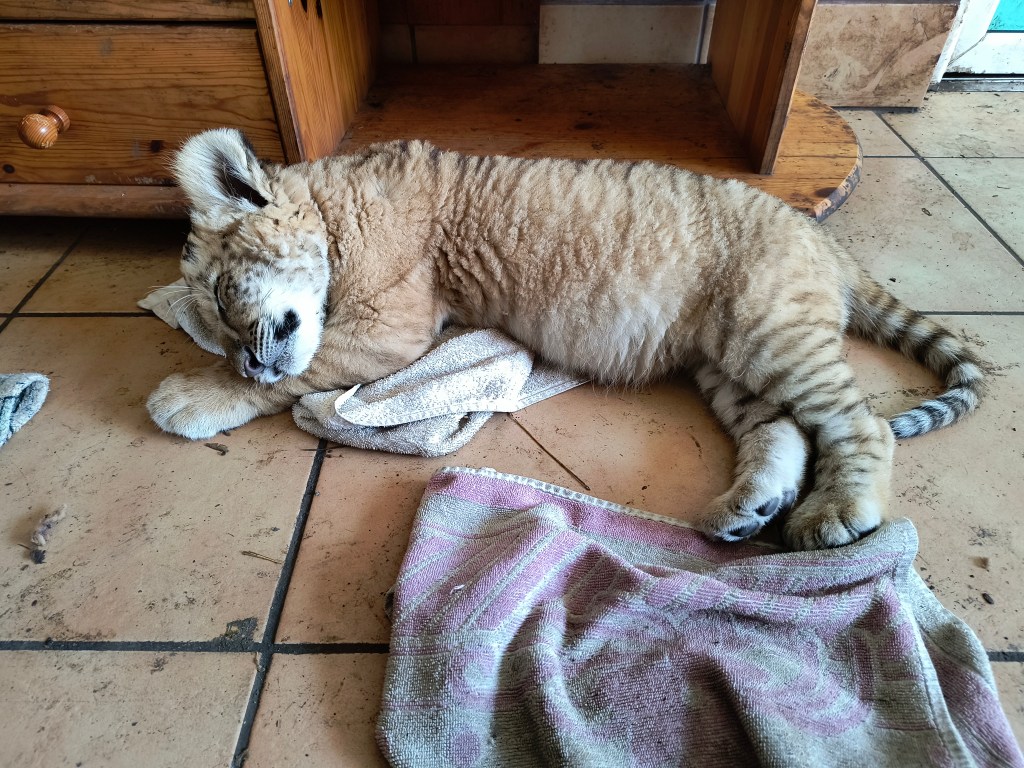
Legal shop in the front, illegal business in the back
In Afumati, in Ilfov county, journalists observed a similar arrangement. Here, a truck driver showed them his own makeshift menagerie. Among the animals were ornamental birds popular in public parks—ducks and peacocks. But also rarer birds, such as emu, gray-crowned cranes (2,000 euros) and white-necked cranes, species on the verge of extinction in the wild. Raccoons (400 euros) and raccoon dogs (250 euros) were also sold here, both included on the EU list of invasive species, a list that prohibits their sale, breeding and possession.
Some animals have “documents,” he said, and others don't.
The driver showed the reporters photos of marmosets, small crocodiles, lemurs and servals, which could be brought from another menagerie in northern Romania. His business resembled many of the operations uncovered by journalists in Albania, Kosovo and Romania. There is a legitimate part – a storefront, a yard or an Instagram account – for legal animals like cats, dogs, swans or ducks. But a phone call away was the black market, with unlimited supply.
“We can bring anything, anything,” the Romanian driver told reporters, “And tigers, if you want, but chickens.”
At an outdoor cafe in Tirana, Albania, a Kosovar reporter from the same investigative team heard the same phrase from a pet seller: “We can find anything.”
The Albanian connection
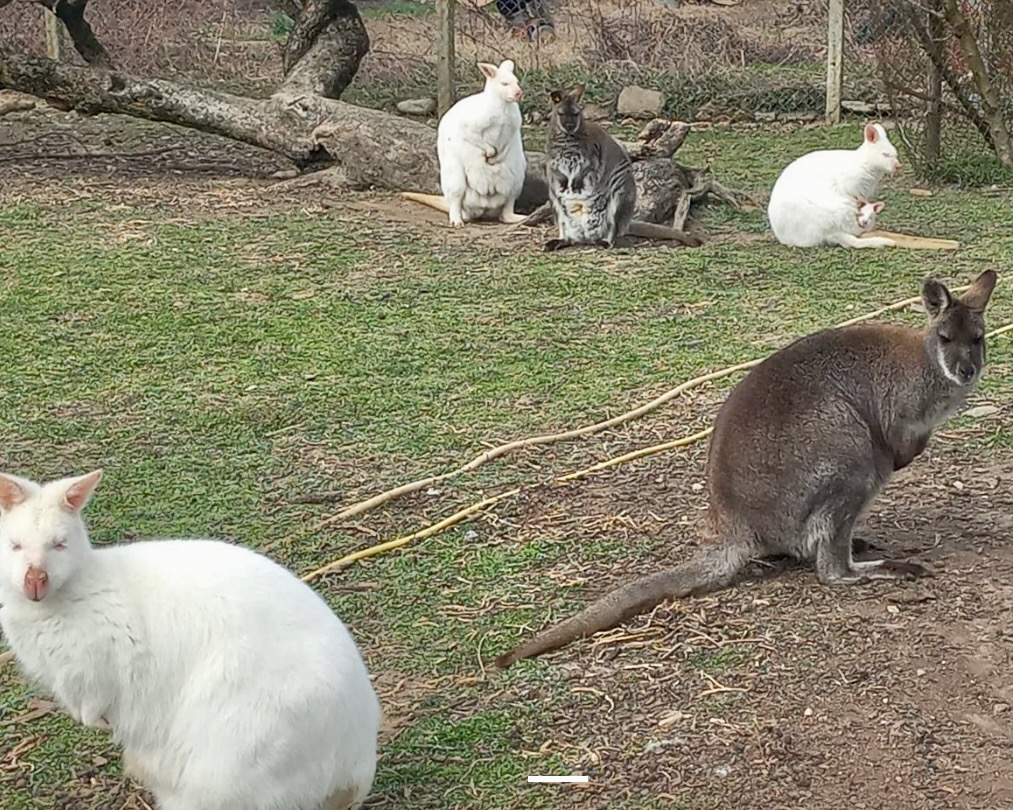
The Kosovar reporter found a seller through the Albanian classifieds site MerrJep. Photos on the site included cougars, monkeys and crocodiles. On the phone, the seller offered a pair of kangaroos from Romania, for 4,000 euros, as pets. He said he could transport them from Romania, through Bulgaria and then to Kosovo, in cages, in the trunk of an MPV.
The seller was also offering monkeys and snakes from Africa and Vietnam, brought to the EU via Turkey. But the route didn't just go from the Global South to Europe; it also worked in the opposite direction – from the center of the EU to the Balkans.
The Albanian seller described a scheme whereby a lion cub from a zoo in the Czech Republic ended up with private individuals. The Czech Zoo cannot sell animals to individuals, only to other zoos. To circumvent the law, the seller finds a zoo in Bulgaria willing to take the animal – but only on paper.
The plan works like this: the Czech lion cub has a GPS tracker and a passport. The big cat is traveling to a third country, most likely Serbia, with a GPS collar. There the animal and the collar are separated: the collar goes to Bulgaria and the animal ends up in Kosovo. Digitally, the animal appears in Bulgaria, physically it is in Kosovo.
This is a form of “reverse laundering” or “dirting”: the animal moves from the legal market to the illegal market so that it can be sold to a private individual.
Meanwhile, in Romania, the trend of growing exotic animals seems to be increasing. Servals are now on public sale in the country. Reporters found a man who has a raccoon as a pet, which is illegal in the EU. A big cat owner from Cluj keeps three tigers and a lion in a pen behind a truck park, next to a dormitory for foreign workers, mostly from Asia. He regularly posts videos of him cuddling his pets on Facebook, calling them 'kitties'. It has permission from ANSVSA to operate a zoo, although it only has four animals and is not open to the public. Today, 58 open nurseries operate in Romania, many with wild animals, along with 24 zoos, according to ANSVSA.
“Many endangered or threatened species, such as large carnivores, should not be in private hands,” says Sybille Klenzendorf, senior officer in WWF's Species Conservation Programme. “It is dangerous to yourself and your neighbors if they escape or are not kept in proper conditions.”
EU: central node of animal trafficking
The EU is a key hub for global wildlife trafficking, according to Europol. Almost a third of all wildlife catches recorded worldwide between 2015 and 2021 took place in Europe, says the UNODC.
The European bloc is a transit point between South America, Russia and Asia — especially China and Vietnam — but also a source of trafficked animals.
In 2023, authorities seized 105 live mammals in 11 EU member states, most of them on private premises. More than half were primates, including common marmosets. Of the 50 carnivores seized, nearly half were wild cats such as caracals and tigers. Between 2017 and 2023, 40 servals were seized.
“The exotic animal trade remains an expanding and increasingly commercialized market, with selective breeding for new colors and patterns,” said Stephanie von Meibom, senior Europe coordinator at wildlife trade organization Traffic.
The European Union and its candidate states face a lack of uniform legislation on the breeding, sale and ownership of exotic animals, which allows trafficking and the black market to flourish.
There isn't even an EU definition of “pet”, just a patchwork of different laws in each country. It may be legal to sell and own captive-bred caracals and servals in one country, but illegal in another—and, in Germany, legal in one Land and illegal in another.
“The ever-changing patchwork of rules on the breeding, sale and ownership of exotic animals in EU member states creates loopholes that traffickers can exploit,” says Nick Clark, Head of the Wildlife Program at Eurogroup for Animals. “Animals banned in one country can be legally bought in another and moved freely across borders, undermining national laws. The lack of clarity makes it easier to sell animals of illegal origin and harder for law enforcement.”