Fights have been a part of professional hockey for over a century. Many fans love this element of the sport.
As soon as a fight starts, no spectator leaves his seat. This is the most exciting few dozen seconds in this sport. Two gladiators are fighting each other
says Ross Bernstein, a hockey historian.
Read also: 5G was supposed to change the world. Today, experts say straight: it was a big lie
Hockey fights are part of “The Code”
A fight in any other professional sport has serious consequences such as sending off, suspension or financial penalties. In hockey, however, fighting is part of the “Code”.
“Fighting has always been part of the culture of the game. The game basically regulates itself. If you do something wrong, you will suffer the consequences. Hit someone from behind and you'll lose your teeth. That's what the code is all about, explains Bernstein.
The National Hockey League began regulating fighting in 1922. The official rules called them “fist fights”. Currently, all penalties for a fight are subject to Law 46, which, according to the regulations, gives referees “a very wide discretion in imposing penalties.”
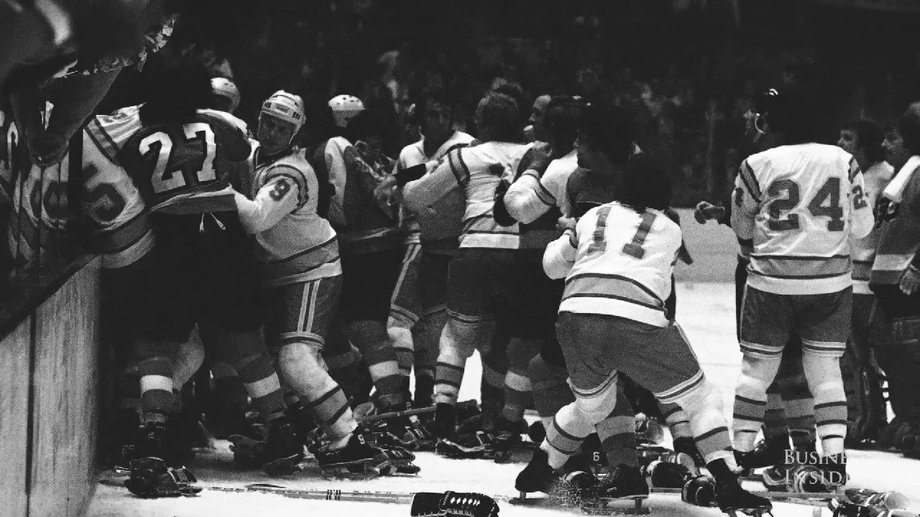
There is a long history of fighting in hockey
|
Business Insider
— First of all, we must point out that fighting is illegal. This is breaking the rules. In the worst case scenario, a player may be sent off for “unsportsmanlike conduct”. Minor offenses can be considered “excessive play,” explains Kerry Fraser, a former NHL referee.
Kerry Fraser has refereed the most matches in HNL history
Fights between bench players already took place in the 1970s. It was pure madness. The emotions associated with the game and the players are unparalleled in any other sport. Players are on the ice, moving quickly and holding weapons. Hostility between players can escalate quickly. We have the tools to counteract this
says Fraser.
A player involved in a fight automatically receives a “major penalty” and must sit in the penalty box for at least five minutes. Additional penalties may be imposed on him.
“The game has evolved, so the number of fights has been reduced and there are fewer of them,” Fraser says.
Read also: What stops supercars from exceeding 500 km per hour? It's not the engine
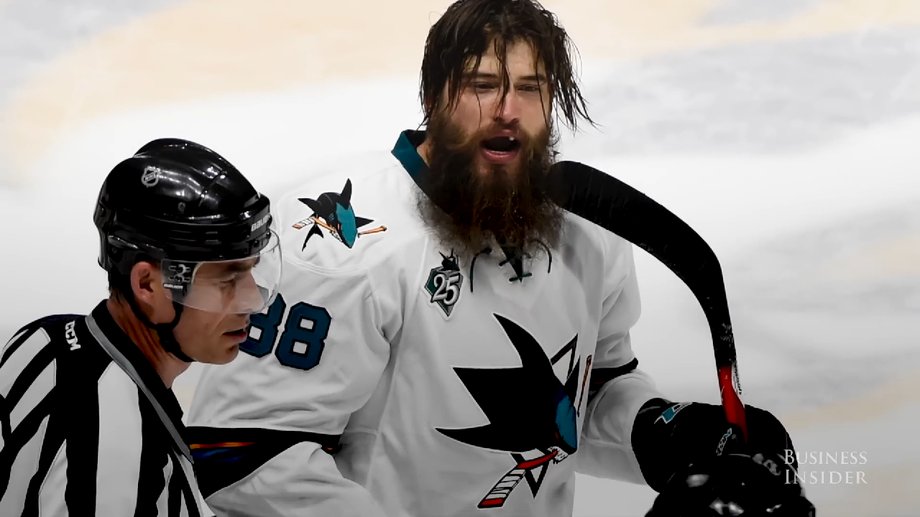
A player involved in a fight automatically receives a “major penalty” and must sit in the penalty box for at least five minutes
|
Business Insider
The number of fights in hockey is decreasing, but should they be allowed anyway?
We asked one of the legendary fighters, Chris “Knuckles” Nilan, who spent over 3,000 minutes in the penalty box during his career.
If you asked the players, they would probably answer to stop fighting. When one player gets angry at another because he stuck the stick between his ribs, he may not be able to stand it and want to take off his gloves and break his nose. This player may think twice about this if there is a referee who can clarify the matter
– says Chris “Knuckles” Nilan, former NHL player.
The NHL declined to comment, but league commissioner Gary Bettman said so in a June 2016 interview with Sports Illustrated.
— Fights are part of this game. They work like a thermostat. It's a physical game and fighting isn't the only thing about it. They may even prevent other injuries, says Gary Bettman, the NHL commissioner.
No NHL player has died as a result of a fight. Everything could change if this happened in the US.
— If a player died in a Canadian league game, it wouldn't affect us. The authorities would understand this because they played hockey in their childhood. But if it happened during an NHL game, we'd be screwed, says Bernstein.