'Cursed' houses in Hong Kong: How prices are falling in the world's most expensive property market


In the real estate market in Hong Kong, where a square meter exceeds 26,000 euros, superstitions can weigh more than economics. Blighted homes, called “hongza,” are rapidly losing value, and foreigners are taking advantage of the substantial discounts.
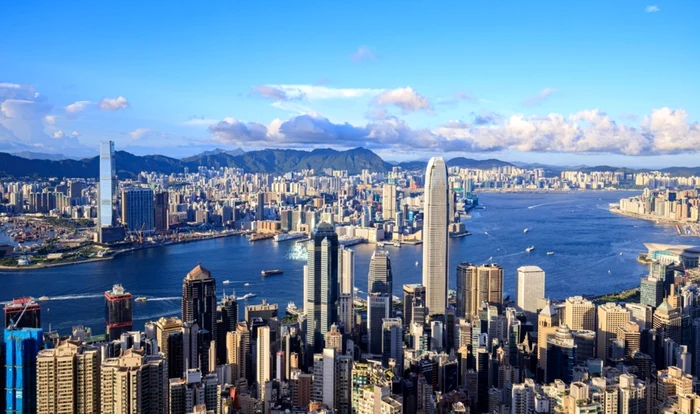
Superstitions drive down prices in Hong Kong's property market PHOTO: Shutterstock
In Hong Kong, the stability of a property depends not only on steel and concrete, but also on invisible factors: superstitions, trust and feng shui. In an otherwise mature market, buyer psychology influences prices as much as the macro economy. The so-called “hongza”, i.e. houses associated with deaths or violent events, are avoided by most local buyers, even if they are sold at prices well below the market level, reports Agerpres.
The most recent case is that of a villa in the exclusive The Peak area, valued at 560 million Hong Kong dollars (about 62 million euros). The death of a Filipino housekeeper in this home led to a 30% to 40% drop in the estimated value, according to experts quoted by EFE.
Why are the locals afraid?
In feng shui, a violent death leaves a “disturbed energy” in space, and this concept continues to influence purchasing decisions.These types of deaths create a stigma that affects buyers and renters differently depending on their profile“, explains Natalie Leslie, consultant at the Home'R'Us real estate agency.
For many residents of Chinese descent, a home's tragic history is reason enough to avoid it altogether. “Westerners do not raise objections, while residents of Chinese origin refuse to even visit an apartment with such a history, excluding the entire floor.”adds Leslie.
Foreigners take advantage of low prices
But cultural differences open the door to others. “Foreigners tend to be unimpressed, although they recognize the difficulty of future resale. Some are willing to buy properties where tragedies have occurred if there is enough of a discount, knowing that they will then only be able to resell them to another foreigner”, says Leslie.
In the rental market, the differences are even more visible. Expats accept these homes without much qualms, while local clients don't even want to see them.
A real estate agent quoted on condition of anonymity confirms that the sale of such a property is slow: “Selling a hongza may take twice as long, but at the right price, it will find a buyer”.
Strict rules and financial prudence
Hong Kong law requires real estate agents to disclose any death in a property. When buyers are in doubt, they turn to the Land Registry, which records such incidents at each address.
Banks and insurers can also be reluctant. “Banks or insurers may reject a loan if the property appears in death databases because its future liquidity is uncertain,” warns Leslie.
A new generation is changing the rules
Even as superstitions continue to influence the market, foreign-educated youth are beginning to take a more pragmatic approach. “Many young people educated outside Asia show less fear, but parents still have a say in the final decision”says Leslie.
The increase in the number of expatriates is becoming more and more clear “hongza parallel market”, with modest but growing liquidity, but limited almost exclusively to non-Asian clients.
For foreign investors, these properties remain rare opportunities in a city where property prices are among the highest in the world. For the locals, however, superstitions continue to be a criterion that cannot be ignored.