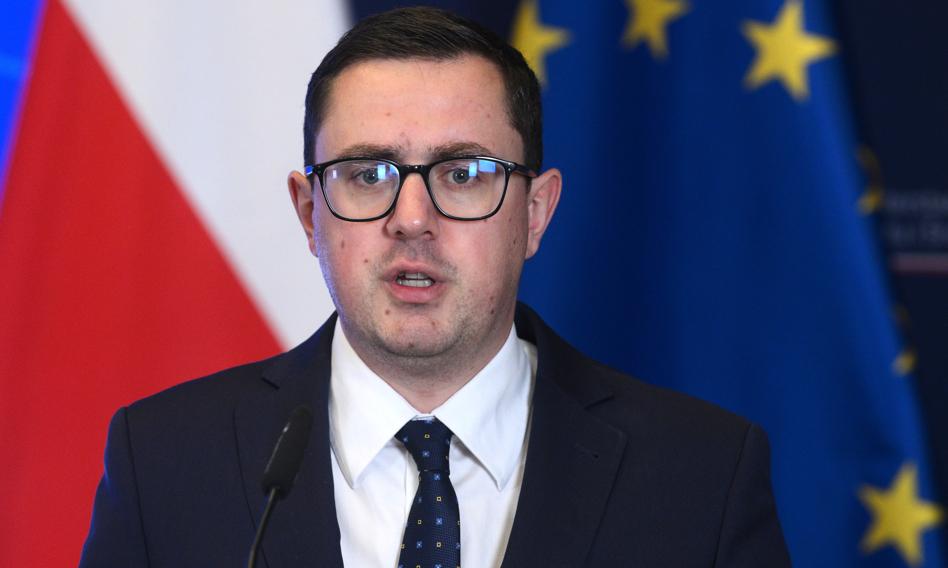
Russian oil should become “leprous”, but this depends on whether the sanctions announced by Republicans will be strictly observed – said Wojciech Jakóbik, an expert from the Center for Energy Security, for PAP.
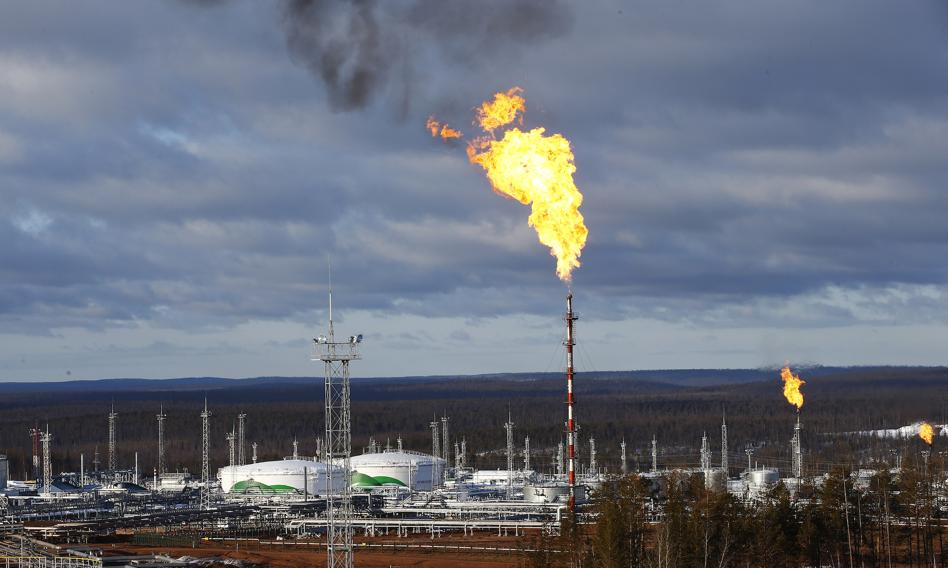
Senator Lindsey Graham, known as a Republican “hawk”, wrote on November 17 on X that the Republican-drafted bill on sanctions on countries trading with Russia will give President Trump more tools to “end the bloodbath in Ukraine.” Trump emphasized late last week that he supports the bill.
According to the provisions of the act, new sanctions would affect, among others: countries such as China and India. Local companies, as well as intermediaries from third countries, were responsible in September this year. for purchase, transport, refining or trading almost 90 percent. Russian oil exports.
– The sanctions are intended to make Russian crude oil “leprous”, so that no one wants to trade it – explained Wojciech Jakóbik, founder of the Energy Security Center, which monitors the state of energy security in Poland, the European Union and NATO, in an interview with PAP.
– Iran supplies drones, China is creating alternative supply chains of raw materials covered by sanctions with Russians, so new restrictions would hit this form of cooperation in order to fill the gaps and additionally reduce the Kremlin's revenues, which will be punished not only directly, but also indirectly – said Jakóbik.
According to the expert, new American sanctions “would not, of course, completely remove” Russian exports, but they would make trade in Russian raw materials more difficult, and the Russians “would then earn fewer petrodollars on each barrel.”
Such effects have already been brought about by previous American sanctions on October 22 this year, imposed on the two largest Russian oil companies – Rosneft and Lukoil – and 34 of their subsidiaries.
The US introduced them when President Trump canceled his meeting with Putin in Budapest after Russia refused to freeze the front line and made further territorial demands against Ukraine.
Max Meizlish, an expert at the American think tank Foundation for Defense of Democracies (FDD), called the October American sanctions “a blow to the financial heart of the Kremlin's war machine.”
The oil and gas sector generates about a quarter of Russia's federal budget revenues, and Rosneft and Lukoil produce more than half of Russia's crude oil.
According to Jakóbik, the “fear of sanctions” on Rosneft and Lukoil had two effects on the market. Firstly, there was a sale of Lukoil's assets in Europe, which, in his opinion, heralds “further de-Russification” of companies from the energy sector.
– Even those treated the least, i.e. the Germans and Hungarians, were only given time to find a solution on how to get rid of Russian influence, for example in the Schwedt refinery in eastern Germany, which is important for Poland – emphasized Jakóbik and added that the “second effect” of the sanctions can be seen in the “stopped orders” for Russian oil.
As reported by Bloomberg, the price of a barrel of Russian Urals oil reached $36.61 on Thursday, November 13, the lowest level since March 2023. At the same time, over 10 major Indian and Chinese buyers of Russian oil announced their intention to suspend December purchases of Russian raw material.
The US Department of the Treasury has set a November 21 deadline for ending trade with or intermediation in Russian oil companies. By failing to meet this deadline, companies such as banks, insurers and traders risk being cut off from US capital markets and the US financial system.
As Jakóbik emphasized, the effectiveness of the new US sanctions, which would hit countries trading with Russia, will depend on whether they are strictly observed.
– Turning a blind eye ends with supplies coming back after a period of paralysis. This was the case with the Arctic LNG-2 gas project, which was used to supply liquefied gas from Russia to China, the expert recalled.
After the initial halt in deliveries due to the sanctions introduced by the Joe Biden administration, deliveries have started due to the lack of sufficient US determination. As at the end of October this year. American media reported, Russian exploitation of Arctic LNG 2 “continued to gain momentum” and the White House did not announce any new sanctions against this sector. According to Jakóbik, the Chinese have even started to create an “alternative LNG supply chain with the help of a shadow fleet.”
Therefore, as Jakóbik emphasized, the “logic of sanctions” assumes tightening restrictions “until the behavior of the entity they apply changes. In his opinion, after the introduction of sanctions, there is always a kind of race: those who introduce them try to deepen them, while those subject to restrictions adapt to the situation and gradually find new solutions to avoid them.
– Therefore, the effectiveness of sanctions depends on how quickly they are introduced and how strictly they are observed – said the expert, adding that the currently visible decline in Russia's revenues from the sale of gas and oil caused by the sanctions is not irreversible and therefore new, additional American restrictions are needed.
Anna Gwozdowska (PAP)
ag/bst/mhr/