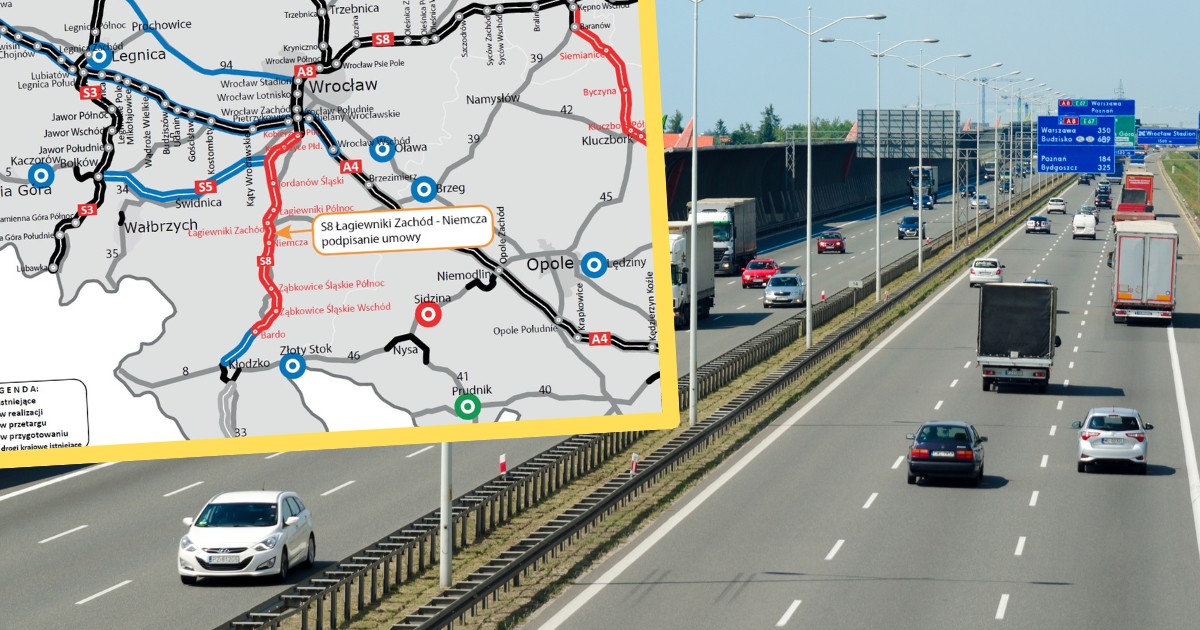
After a few years, the border crossings with Belarus in Kuźnica and Bobrowniki will be open again


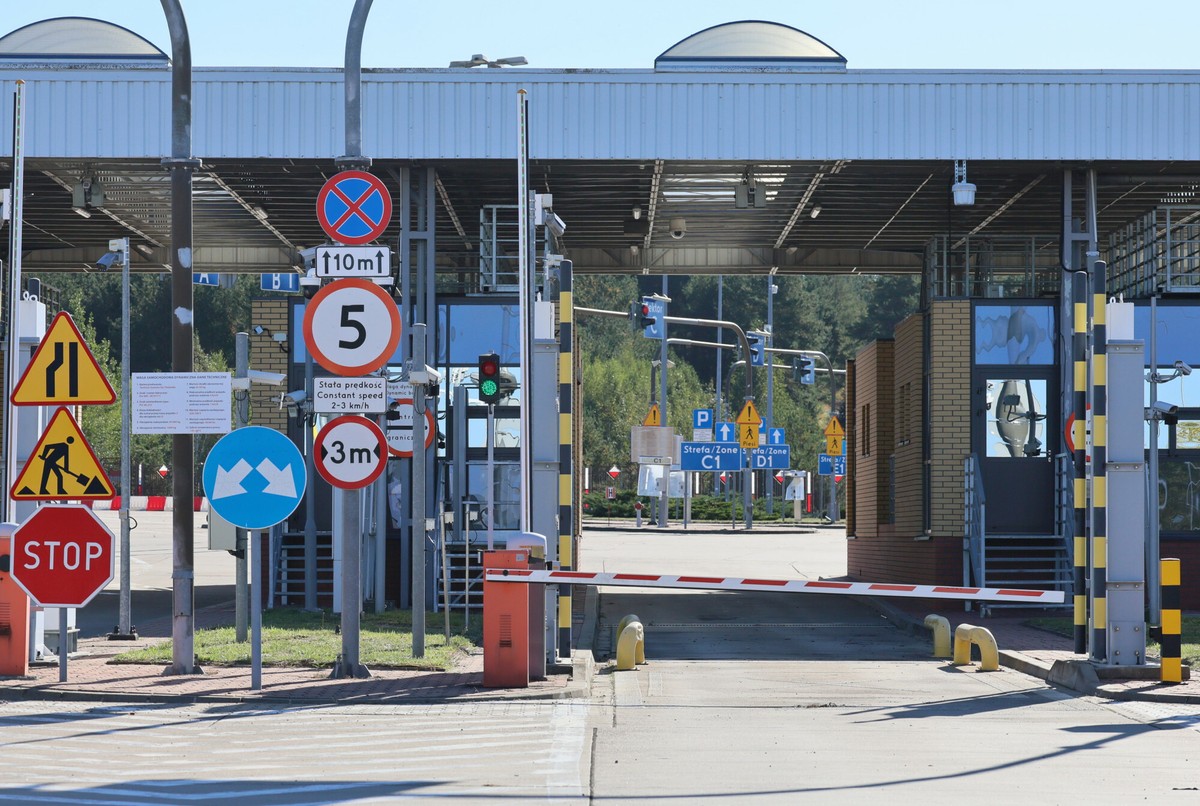
On Friday, a regulation of the Ministry of Interior and Administration was published in the Journal of Laws, pursuant to which road crossings will be opened on Monday: in Kuźnica – for passenger traffic (excluding bus), a in Bobrowniki – for freight traffic. Prime Minister Donald Tusk announced his readiness to restore traffic at these crossings at the end of October.
The Bobrowniki-Bierestowica crossing will be open only to vehicles registered in member states of the European Union, the European Free Trade Association (EFTA) – parties to the Agreement on the European Economic Area and the Swiss Confederation – and passenger traffic, including coaches.
The crossings in Kuźnica and Bobrowniki have been closed to the public for several years
Currently, there are only two railway border crossings for freight traffic in Podlasie, in Siemianówka and Kuźnica; all road crossings have been closed for several years.
From November 9, 2021, the road border crossing in Kuźnica is closed. The decision on this matter was made after riots occurred near the crossing with the participation of large groups of foreigners, inspired by the Belarusian services.
From February 9, 2023, the crossing in Bobrowniki is also closed. This decision was made when the Belarusian regime sentenced an activist of the Union of Poles in Belarus, journalist Andrzej Poczobut. In Podlasie, the crossing in Połowce is closed (due to the pandemic), as well as the tourist crossings in Białowieża and Rudawka (water border crossing).
Entrepreneurs from the region have been trying to open road crossings for a long time, including: from the Agreement of Polish Entrepreneurs United East. At press conferences, but also in letters addressed to the authorities, they pointed out that they were in a difficult situation and were losing customers from the East.
During the demonstration that took place in March this year in Białystok, they even said that it was the “funeral of the Podlasie economy.” They also pointed to “dramatic” declines in revenues in trade, services, hotels, catering, tourism and the wood industry, increased unemployment and depopulation of the voivodeship.
Closing the crossings was also an inconvenience for residents of border regions who, if they wanted to visit their loved ones in Belarus, had to use border crossings in the Lublin Voivodeship or Lithuania.
Local government officials from Podlaskie appealed to the government to open at least one of the border crossings, which would help the development of the region that is suffering the economic consequences of closing this border. Politicians also made their appeals.
The government was often asked by journalists about the possibility of opening the crossings. The management of the Ministry of Internal Affairs and Administration emphasized that border security is a priority and that without a change in Belarus's policy, opening the crossings will not be possible. In mid-October, the head of the Ministry of Interior and Administration, Marcin Kierwiński, said at a press conference at the Polish-Belarusian border that the situation was being monitored and if “in terms of security, including relations with our neighbors, we are ready for it, these crossings will be opened.”
Prime Minister Tusk explains the reasons for opening the border with Belarus
Prime Minister Donald Tusk announced the readiness to open two crossings in November: in Kuźnica and Bobrowniki at the end of October during the economic forum in Białystok. He emphasized then that the Polish-Belarusian border is one of the best protected in Europe and these two crossings can be opened “on a trial basis.” He also pointed out that the crossings were to serve “ordinary people”.
Both entrepreneurs and local government officials were happy with the Prime Minister's announcement. Ewelina Grygatowicz-Szumowska from the Alliance of Polish Entrepreneurs United East emphasized in an interview with PAP that entrepreneurs had been waiting for this for a long time, and those years when the crossings were closed were a difficult time for entrepreneurs.
The Mayor of Białystok, Tadeusz Truskolaski, assessed that entrepreneurs, including those who do business at the city market in Białystok, and shopping malls that lost money due to the closure of the crossings, were waiting to benefit from the opening of the crossings because there were no customers from the East.
In Friday's announcement, the Ministry of Interior and Administration emphasized that the government's decision meets the expectations of residents and entrepreneurs, including carriers. It added that it was possible thanks to the tight protection of the border with Belarus. The ministry indicates that the tightness of the border remains at 98%.
Tusk told journalists on Friday that the specific interests of the local population, entrepreneurs and residents “who bear a very heavy burden due to Belarus' aggressive policy on the border” speak in favor of opening the crossings. He stressed that this is not “an element of political negotiations or a possible prisoner exchange.”.
He also said that this decision was consulted together with the head of the Ministry of Interior and Administration, Marcin Kierwiński, and the deputy prime minister, head of the Ministry of National Defense, Władysław Kosiniak-Kamysz. He also pointed out that the border had been sealed and the risk of illegal crossings was at an “absolute minimum” level.
Fewer attempts to cross the Polish-Belarusian border
The commander of the Podlasie Border Guard Branch, General Sławomir Klekotka, pointed out in a conversation with journalists that the migration situation on the Polish-Belarusian border is more stable – recently, there have been fewer attempts to illegally cross the border with Belarus and less aggression.
Since the beginning of November, in reports on the Polish-Belarusian border, the Border Guard has reported 20-40 attempts to cross it a day. There are days when there are about ten attempts. October reports show that there were from several dozen to over a hundred such attempts a day.
After the Prime Minister's first announcements, Jacek Brzozowski, Podlasie Voivode, assured that the border services and administration were preparing to open border crossings under extraordinary circumstances. This includes, for example, auditing the software needed to conduct customs clearance, updating computer software, purchasing new software, restoring the operation of the network and fiber optic cables, or installing LED information boards at the check-in lanes. Brzozowski said that from the date of announcing the opening, the services would be ready within 48 hours.
Gen. Klekotka assured that the Border Guard was prepared for the opening of the crossings. He said that officers are trained to use the new Entry/Exit system, which registers non-EU citizens.