The specter of hunger hangs over millions of people in the United States. “I can't cope anymore”

During the administration's record-breaking 43-day shutdown, Agriculture Secretary Brooke Rollins directed USDA staff to continue urging states to comply with the signature Republican tax and spending bill. According to forecasts, it will occur in the next few months excluding millions of people from the largest anti-hunger program in the country.
All this at a time when low-income families struggle with stagnant wages that cannot keep up with the skyrocketing cost of living.
The Food Assistance Program (SNAP) provides an average of $6. (PLN 21) per day for almost 42 million people, including approx. 40 percent kids. Under the new bill, parents and older Americans will have to meet more requirements stringent requirements on work, and states will ultimately have to share in the cost of SNAP benefits, which could force further cuts to the program, according to the nonpartisan Congressional Budget Office. Tens of thousands of immigrants will also lose access to the program.
The loss of SNAP “was really devastating during the administration shutdown,” says Dottie Rosenbaum, director of federal SNAP policy at the left-leaning Center on Budget and Policy Priorities. – But [One Big Beautiful Bill Act, wielka, piękna ustawa Donalda Trumpa] represents the largest reduction in the program's history. This will also be very severe.
States have begun notifying participants that they will be subject to new, more stringent work requirements, giving them a three-month period to comply with the new rules or lose their benefits altogether.
One group in particular will suffer
Some states, such as New York and California, have implemented exemptions from work requirements in places with high unemployment rates, which should mitigate the full impact of the new regulations. However, some undocumented immigrants, including refugees, are receiving notices that they are no longer eligible for SNAP, effective immediately.
— While we are concerned about every person in this country who is needlessly suffering from hunger, stripping away the safety net of people who have come to this country and just need a little time to get back on their feet and start contributing economically to this country is extremely cruel says Naomi Steinberg, vice president of policy and advocacy at HIAS, a Jewish nonprofit that helps refugees and asylum seekers.
HIAS estimates that changes to SNAP will result in reduced benefits for approx. 250 thousand refugees and other humanitarian visa holders.
Rollins also suggests he may pressure current SNAP participants to reapply, despite existing requirements that require people to regularly certify their income and other eligibility factors. The new plan may increase bureaucracy, making it more difficult to obtain benefits.
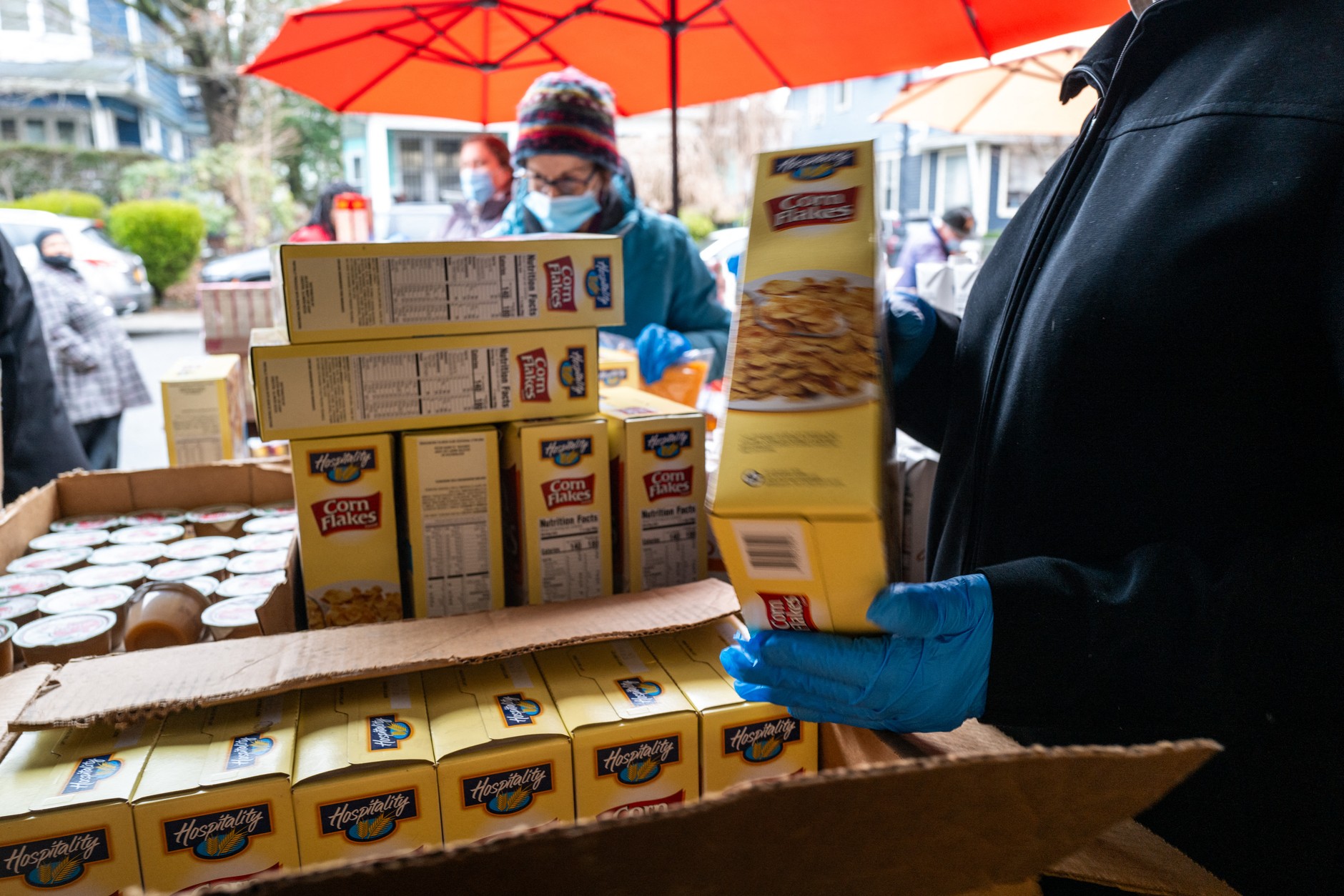
Aid distribution in New York (illustrative photo)SPENCER PLATT / AFP
Access to help is in question
In October and November, during the administration shutdown, the USDA Food and Nutrition Service issued new guidelines regarding how to comply with stricter work requirements and other changes in the law. However, some states still have difficulty interpreting them. In California, where more than 5 million people use SNAP, California Department of Human Services Director Jennifer Troia said during a recent webinar that the state is still working on new guidelines.
“This is a priority for us,” Troia said. “We will strive to comply with FNS guidelines [Służba Żywności i Żywienia]while ensuring accuracy and clarity.
Millions of low-income families will also lose access to the Medicaid program over the next few years as more stringent work requirements and other changes to the program take effect. The GOP tax and spending bill would make some documented immigrants, including refugees, ineligible for subsidies under the Affordable Care Act [Ustawa o ochronie pacjenta i niedrogiej opiece zdrowotnej]. The Trump administration is working on new regulations on public charges that may discourage millions of documented immigrants from participating in federal programs social security.
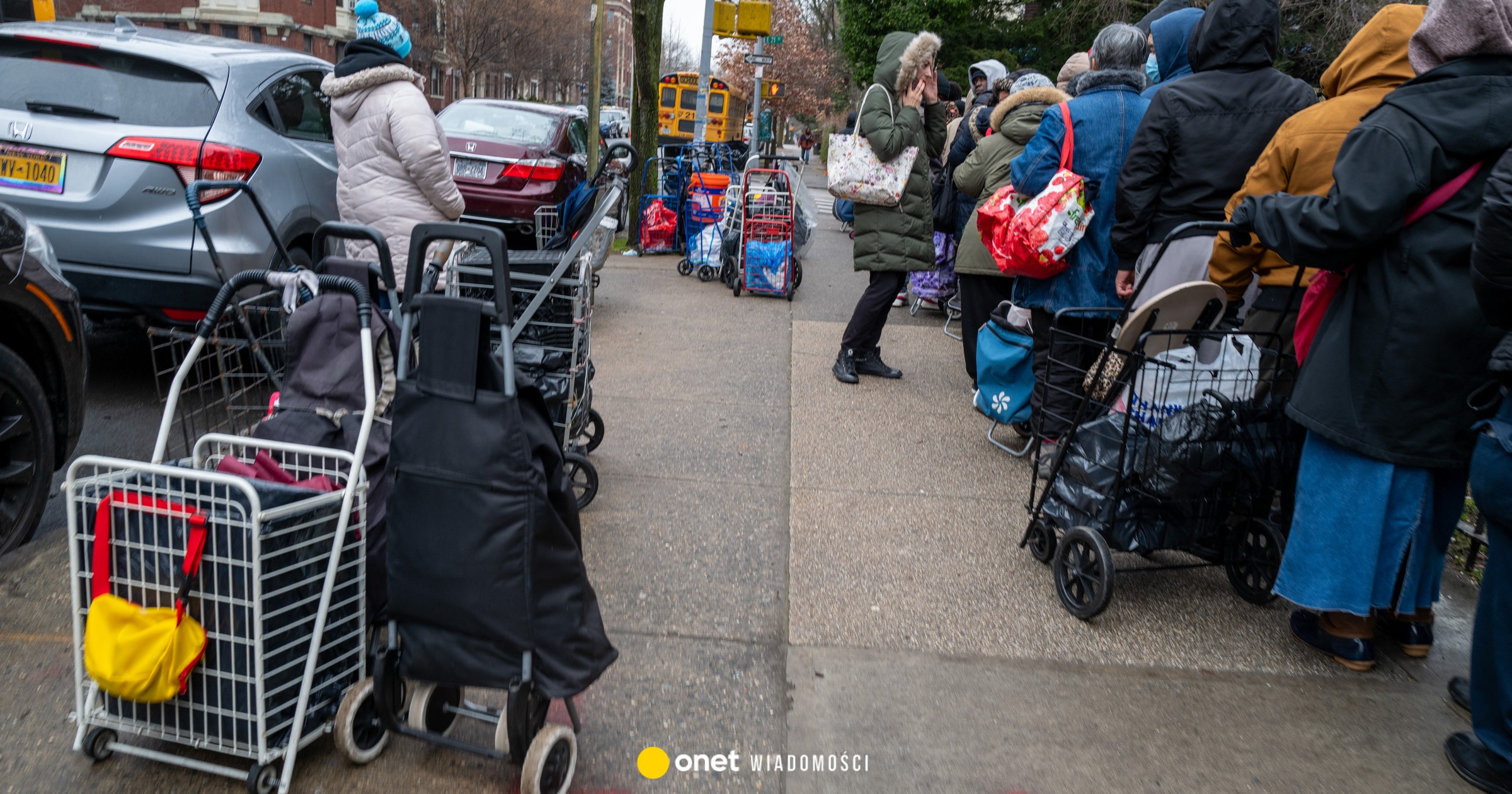
As low-income people struggle to pay utility bills and rent, many take advantage of help from charitable food networksto pay for groceries. But food banks and pantries are still struggling to recover nearly $1 billion. (PLN 3.6 billion) of federal funding cuts from earlier this year — and to emerge from the chaos caused by the withholding of SNAP benefits during the administration shutdown.
During the week of October 27, food banks purchased 325% more food, according to the nonprofit organization. more food through Feeding America than during the same period last year.
“It couldn't be worse”
Matt Jozwiak, who runs Rethink Food, a meal delivery charity in New York, says his organization has increased the number of meals it delivers from 40,000 during the shutdown. up to 50 thousand up to 120 thousand per week
“It couldn't have been worse,” says Jozwiak. — This is just a foretaste of what awaits us. The situation is bad.
As hundreds of thousands of refugees and other immigrants prepare to be excluded from SNAP, some resettlement organizations are offering more emergency food options to help fill the gap.
“We have a truck, we have a warehouse, so it made sense,” says Laura Thompson Osuri, executive director of Homes Not Borders, a Washington-area nonprofit that helps newly arrived refugees. Her group is currently focusing on food security. The expert says that the changes will affect approximately 20,000 people. refugees in the Washington area.
However, contributions from the private sector and nonprofits will not be sufficient when the SNAP changes go into effect. According to Feeding America, SNAP provides nine meals for every meal provided by food banks.
Cyndi Kirkhart, who runs the Facing Hunger Food Bank in West Virginia, worries about her organization's ability to keep up with change. — When I made my budget for this year last year, certainly I did not take this crisis into account Kirkhart says, referring to benefits expiring in November.
— Now I expect there will be more crises and I will just have to increase the budget and hope that I will receive the same help and support. But at some point, crises affect everyone. So at some point people say, “I can't do it anymore,” right? – he adds.