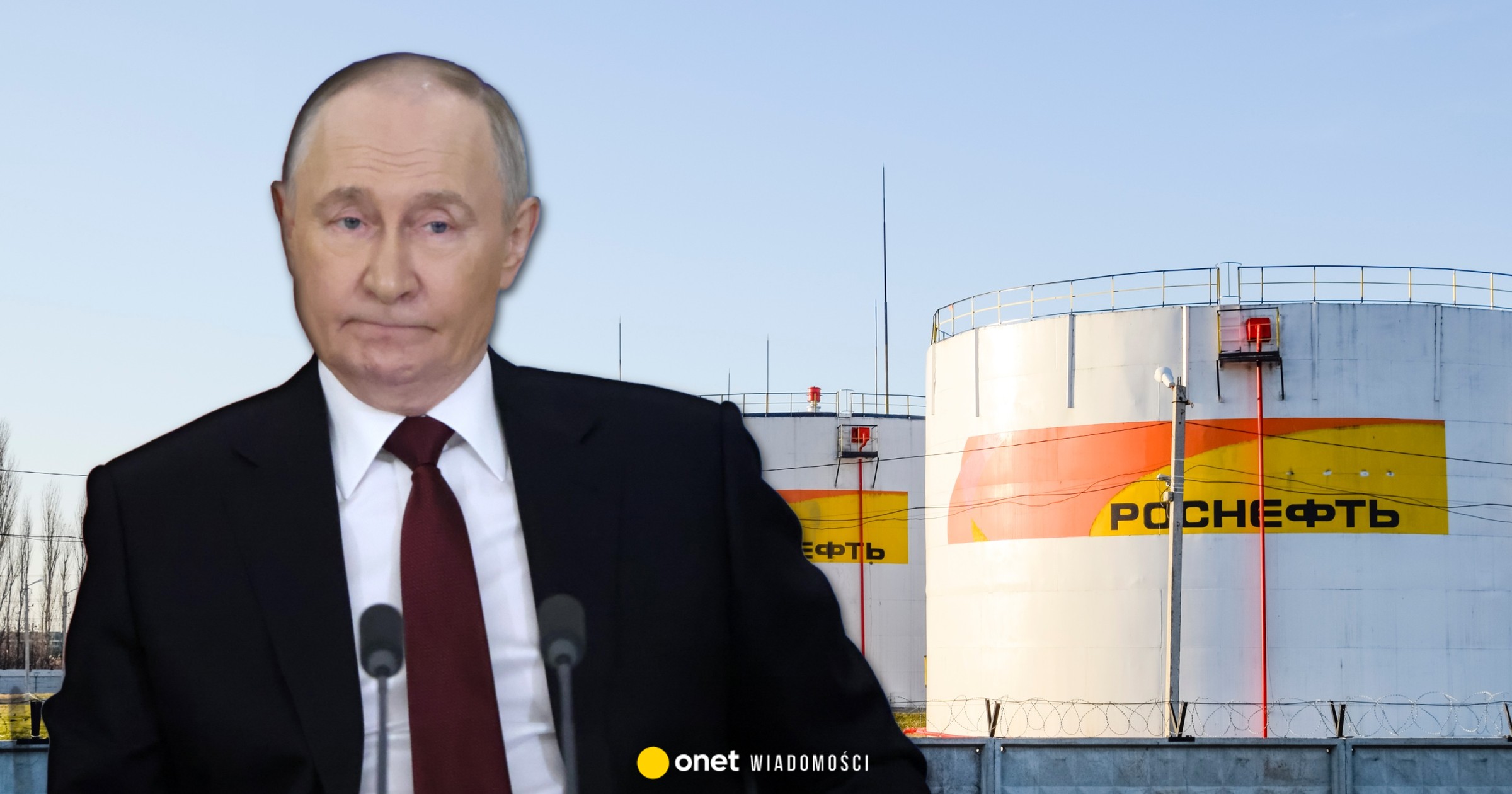
According to the Center for Research on Energy and Clean Air (CREA), in October 2025, Russia exported fossil fuels worth EUR 524 million (PLN 2.2 billion) per day, which is decrease by 4 percent compared to September. Russian fossil fuel exports are affected by both Ukrainian attacks and sanctions.
The largest buyer of Russian fossil fuels was China, which spent EUR 5.8 billion (PLN 24 billion) for this purpose in October. India came in second place, having allocated EUR 3.1 billion (PLN 13 billion). NATO member Turkey imported Russian fossil fuels worth EUR 2.7 billion (PLN 11 billion) in the same month.
In October, the United States announced sanctions against major Russian oil companies Rosneft and Lukoil due to Russia's “lack of serious commitment to a peace process aimed at ending the war in Ukraine.”
These sanctions are aimed at the Russian energy sector in order to weaken the country's economy and put pressure on Moscowfor it to agree to a ceasefire. Due to the US decision, China, Türkiye and India are expected to limit their purchases of Russian oil in the near future.
In October, the EU purchased fossil fuels from Russia worth EUR 1.1 billion (PLN 4.6 billion). The largest buyer was Hungary, which has access to the sea. Budapest bought pipeline gas and crude oil worth EUR 258 million (PLN 1 billion). The next place was taken by Slovakia, purchasing products of the same category worth EUR 210 million (PLN 888 million). Both Hungary and Slovakia import crude oil through the Druzhba pipeline. France and Belgium imported liquefied natural gas (LNG) for EUR 209 million (PLN 884 million) and EUR 158 million (PLN 668 million), respectively.
In October, the EU Council adopted tougher sanctions, introducing the 19th package, which includes a complete ban on imports of Russian liquefied natural gas LNG from January 2027 and tougher sanctions against Russian state oil producers Rosneft and Gazprom Neft.
Hungarian Prime Minister Viktor Orban announced that he intends to sue the EU over the ban on imports of Russian gas. US President Donald Trump called on NATO members to stop buying oil from Russia, but conceded to Hungary annual leave from the import ban.
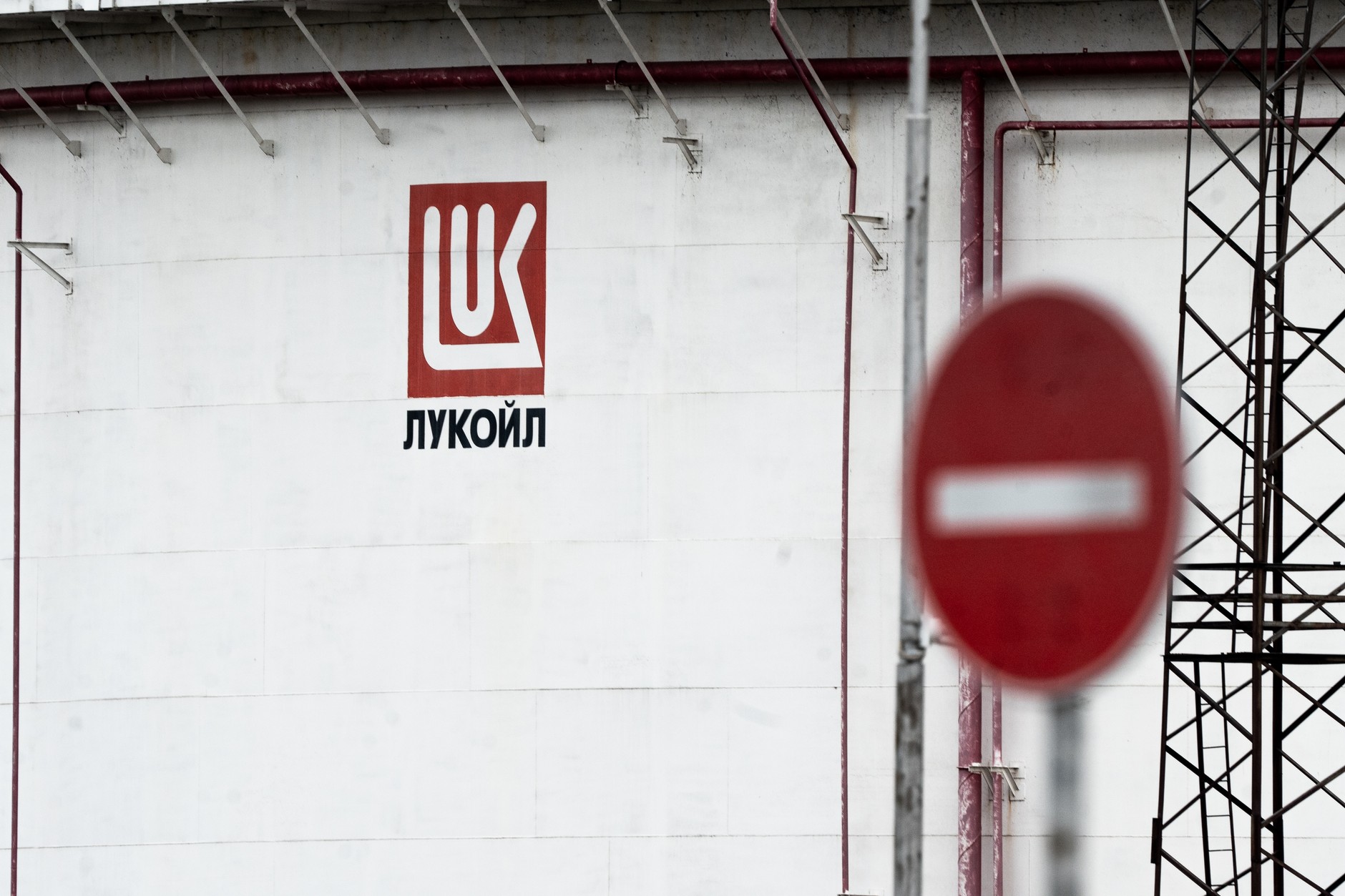
Lukoil logo on the refineryHristo Rusev/Getty Images
Ukrainian attacks
At the same time, Ukraine is attacking the Russian oil industry to deprive it of funds to wage war. Between August and October, Ukrainian drone and missile attacks disrupted 20 percent Russia's refining capacity.
Russia partially offset the damage by using unused units. Continuing the attacks, Ukraine launched a massive drone attack on Novorossiysk on Thursday night, setting fire to a key oil terminal and disrupting oil supplies.
A Ukrainian drone attack damaged three residential buildings, an oil storage facility and coastal structures in the port of Novorossiysk on the Black Sea, said the command of the Russian army in the Krasnodar region.
Suspended conversations in the background
On Tuesday, November 11, Russian Foreign Minister Sergei Lavrov turned to the Americans with a proposal to start preparations for the summit of Vladimir Putin and Donald Trump, which was to be held in Budapest at the end of October. However, it was canceled after the Kremlin refused to accept a ceasefire in Ukraine.
“We are ready to start preparing for the meeting again together with the Americans,” Lavrov said on Tuesday, November 11, in an interview with the Russian media.
United States Secretary of State Marco Rubio admitted that he had not contacted the head of the Russian Foreign Ministry again since his last conversation with Lavrov on October 20. State representatives then discussed the issue of the Budapest summit. However, Rubio recommended that Trump cancel the meeting, after which the US imposed a large package of sanctions on Russia for the first time since the Republican took office in the White House.