The leader of the UDMR deputies criticizes the “exaggerated” request of the magistrates regarding special pensions. “It's not fair”


The leader of the UDMR deputies, Csoma Botond, said on Thursday, November 13, that the magistrates' proposals are unfair, after the meeting in Cotroceni convened by Nicușor Dan on the subject of special pensions ended without result.
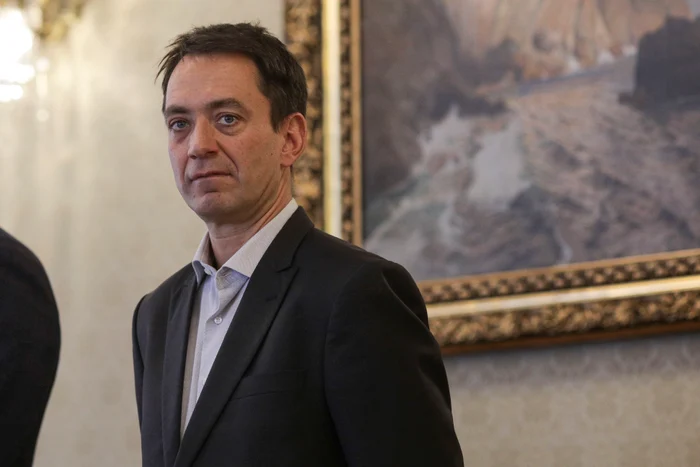
The leader of the UDMR deputies, Csoma Botond PHOTO Inquam Photos / Octav Ganea
“As far as I understand, the magistrates had asked for their pension to be 65% of their gross income. Which means that, according to some calculations, it would be 97%-98% of the last net income, which we believe is not fair. We believe that the pension should be somewhere around 70%-75% of the net income (…). I find this grievance of the magistrates to be 65% of the gross income a bit exaggerated. I think we must take into account social solidarity, Romania's difficult situation and the situation of other socio-professional categories”said Csoma Botond for RFI.
The UDMR leader also stated that he would like the Government to take responsibility in Parliament on the pension law for magistrates.
“I think that this governing coalition has no other solution but to draw up a new project and, of course, to send that project to the CSM, let's see how long the CSM will approve that project, they will need 30 days or they will proceed faster and then take responsibility in Parliament for that project, but wait, of course, for there to be no problems of a procedural nature, as there were at the first assumption”he added.
The statements come in the context in which the over three-hour meeting at the Cotroceni Palace between the president Nicușor Dan, the leaders of the Coalition and the representatives of the magistrates ended without a clear conclusion, despite the attempts to reach a consensus on special pensions.
The magistrates requested that the pension represent 65% of the gross salary, a percentage that would lead to higher incomes than those provided for in the version proposed by the Government. In addition, they are calling for a longer transition period in which the new rules are gradually applied.
During the discussions, the leaders of the Coalition showed themselves willing to negotiate the transition period, which could reach between 15 and 17 years, but they did not accept the modification of the amount of the pension. The executive insists that its level remains at 70% of the net salary. Negotiations have stalled here for the time being.