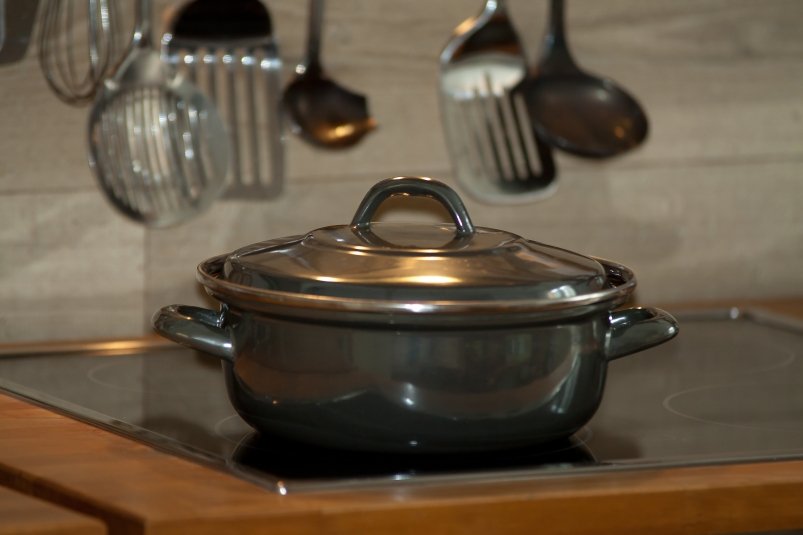
Even the most reliable aluminum pan or antique kettle becomes dull over time, becomes covered with dark spots, and traces of tea, coffee or jam remain inside. It seems that it’s time to send her to the dacha or throw her out altogether. But don't rush.
The older generation has long known: aluminum does not require aggressive chemistry. All you need is one handy tool, which is found in every home, and the dishes will shine again, as if they had just been bought.

What you will need:
Aluminum pan or kettle
Citric acid – 2 tbsp. l.
Coarse salt – 2 tbsp. l.
Water – 1–2 liters
Soft sponge
How to use:
- Pour 1-2 liters of water into the pan.
- Add citric acid and salt. Stir.
- Place over medium heat and bring to a boil.
- Boil for 15–20 minutes. During this time, the dark spots will begin to lighten and the plaque will begin to fade.
- Remove from heat, let cool slightly.
- Rinse gently with warm water and wipe with a soft sponge.
- Pat dry.
Citric acid gently dissolves oxides and organic contaminants, and salt enhances the effect without scratching the metal. Together they return aluminum to its natural shine without the risk of damaging the surface.
This method is suitable for both teapots and pans, both outside and inside. The main thing is not to use it for non-stick cookware.
Question and answer:
Can you clean aluminum with vinegar?
You can, but vinegar is stronger and may leave a matte finish. Citric acid acts more delicately and leaves no odor.
Why do aluminum cookware turn dark?
This is the natural oxidation of metal upon contact with water, acids and high temperature. Not harmful, but spoils the view.
How often can you clean aluminum with citric acid?
Once every 1-2 months is quite safe. This is a natural remedy, does not accumulate in metal and is not harmful to health.